
The best time to visit Tanzania depends on what you want most: the wildebeest migration, quiet parks and lower prices, a Kilimanjaro climb or Zanzibar beaches. Below is each season, month by month.
There is no bad month for a safari in Tanzania. There are, however, better and worse months for particular things: seeing the migration cross a river, climbing Kilimanjaro in dry weather, or keeping costs down. This guide sets out how the year works so that you can choose what matters to you.
The seasons at a glance
- June to October: long dry season. Peak time for game viewing.
- November to mid-December: short rains. Brief showers, green landscapes, lower prices.
- Mid-December to February: a short dry spell. Calving season in the southern Serengeti.
- March to May: long rains. The quietest and cheapest time, with some camps closed.
June to October: dry season
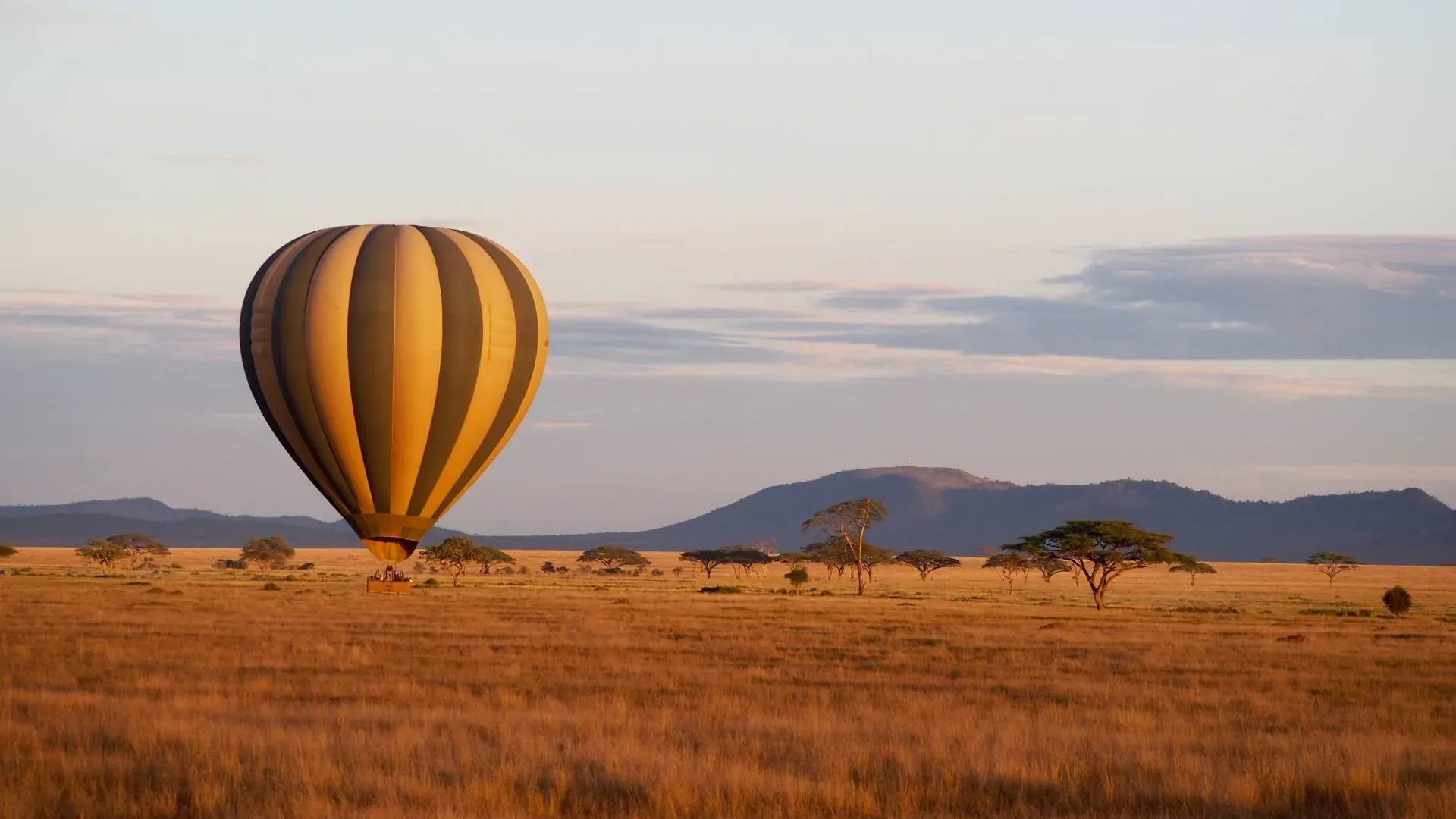
This is the most popular time to travel. The grass is short, trees lose their leaves and animals stay close to rivers and waterholes, so they are much easier to find. Days are sunny and mornings cool, and the mosquito count is at its lowest.

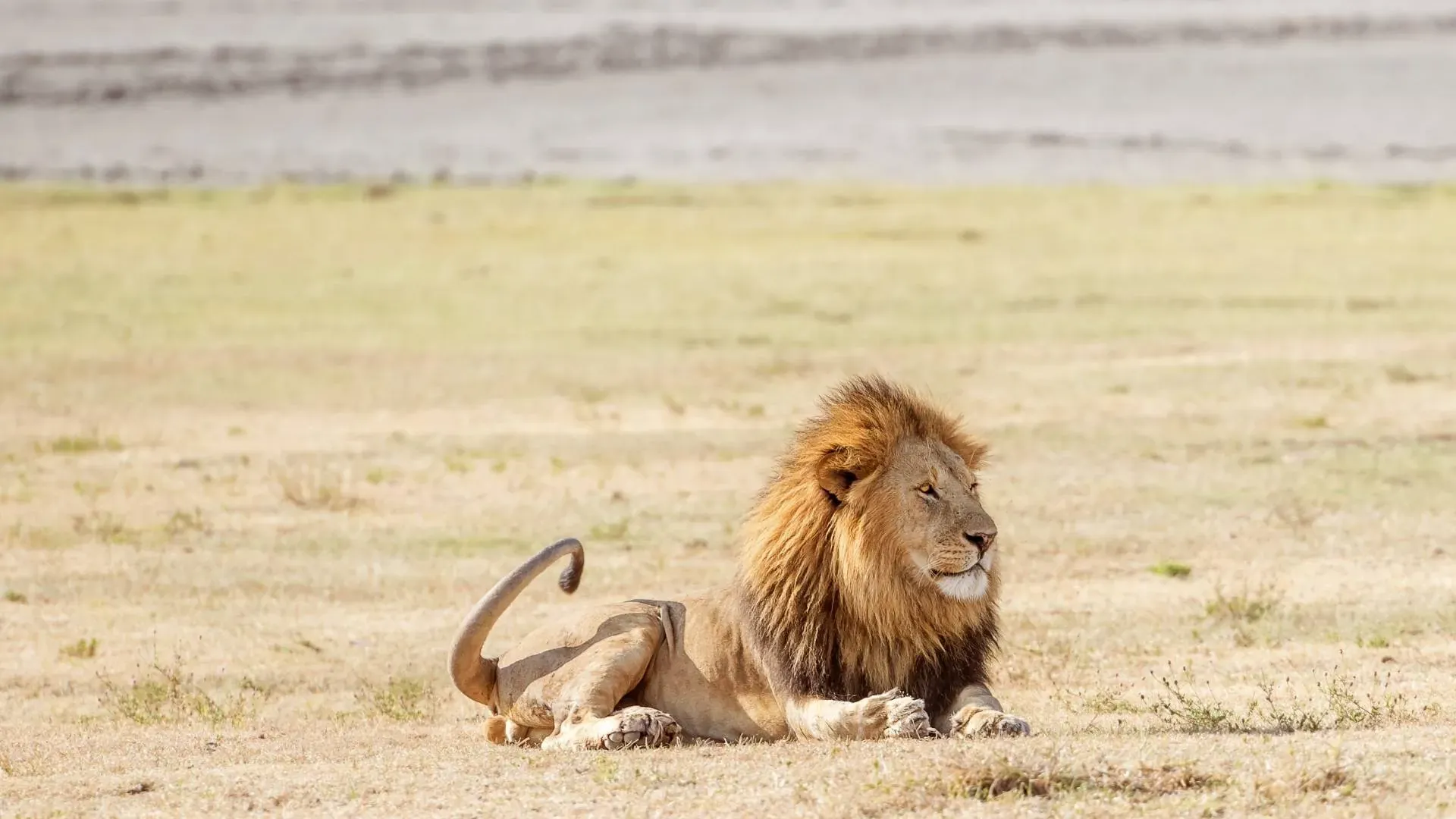
In the Serengeti, the migration reaches the Mara River in the north from around July, and crossings continue into October. Tarangire is at its best from July, when elephants crowd the river. Ngorongoro Crater is excellent all year, but is especially productive now.
The cost is crowds and prices. July and August coincide with European and American school holidays. Book good camps six months or more in advance, and for the northern Serengeti in August, earlier still.
November and early December: short rains
The short rains usually come as afternoon or overnight showers, not days of steady rain, and game drives are seldom affected. The landscape turns green within days, migrant birds arrive from Europe and Asia, and the herds move back south through the eastern Serengeti.
Many lodges switch to lower rates, and the parks are noticeably quieter. It is a good choice for travellers who are flexible and want value.
Mid-December to February: calving season
A drier, warm break between the two rains. The migration settles on the short-grass plains around Ndutu and the southern Serengeti, and in a few weeks around February most of the year's wildebeest calves are born. Predators follow, and the hunting is easy to watch on open ground.
The Christmas and New Year weeks are busy and priced as peak season. Late January and February are excellent for both wildlife and photography.
March to May: long rains
April and May are the wettest months, with heavy downpours and some flooded tracks, especially in the south and west. Some camps close entirely, and the southern parks are largely shut. The northern circuit remains open, and those who travel find empty parks, lush scenery and the lowest rates of the year. Ngorongoro Crater and the central Serengeti are both good choices.

Climbing Kilimanjaro
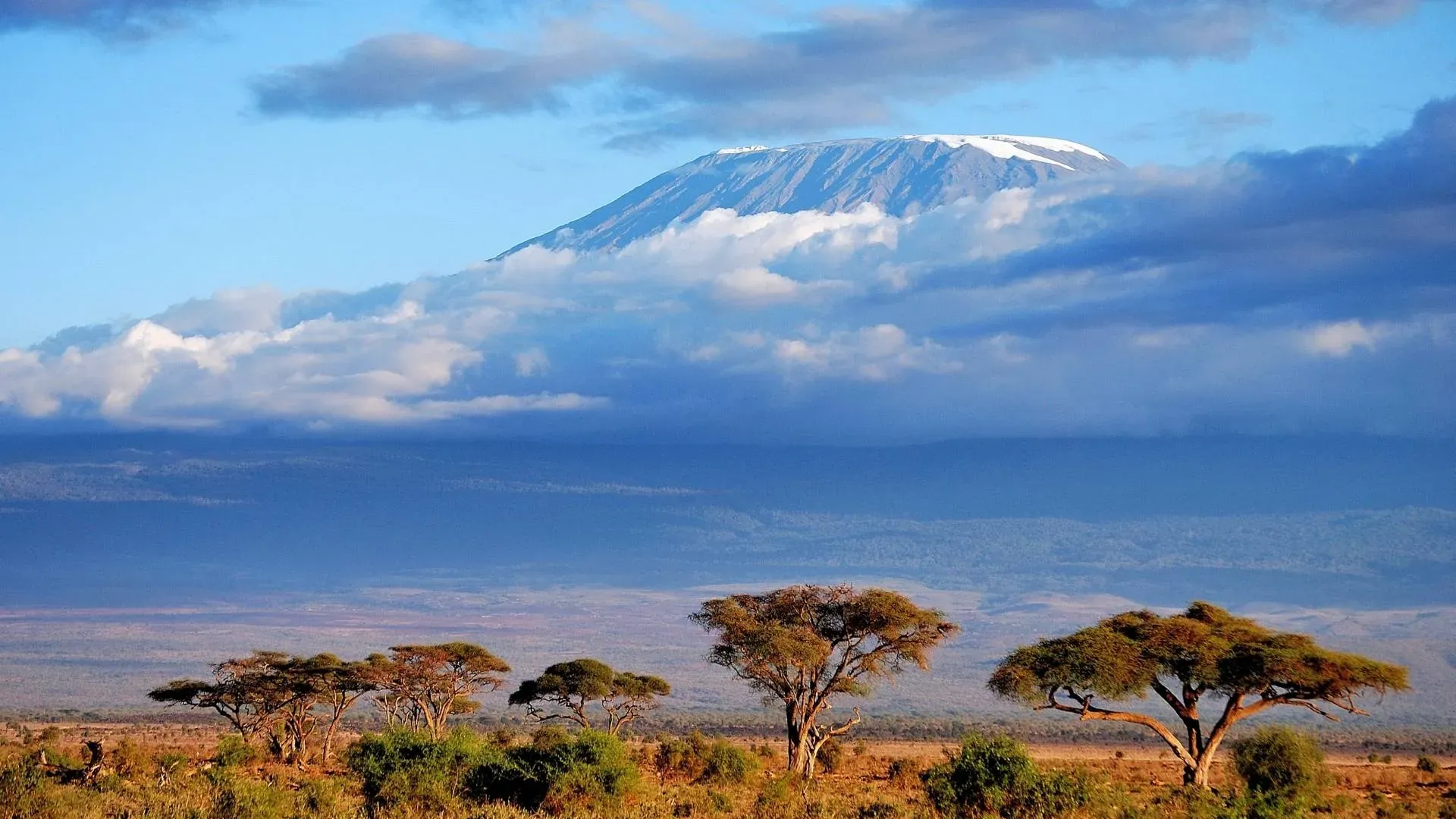
The best months are January to mid-March and June to October, when the mountain is driest. January and February are colder, with a chance of snow on the summit, and quieter. June to October is busier. Climbing in April, May or November is possible, but expect rain on the lower slopes. The Rongai route, on the drier northern side, is the best choice at those times.
Zanzibar
The coast follows a similar pattern. June to October is dry, sunny and slightly cooler, and pairs naturally with a dry-season safari. December to February is hot and dry, with calm seas that are good for diving. The long rains from mid-March to May are when some beach hotels close.
The southern and western parks
Nyerere, Ruaha, Mikumi, Gombe and Mahale are best from June to October. Many of their camps close from March or April to May, and some roads become impassable. If you want the south, plan for the dry season.
Summary: our recommendations
- First safari, best all-round viewing: June to October.
- Mara River crossings: August and September.
- Calving and predators: February.
- Best value with good wildlife: November or early March.
- Kilimanjaro: January to mid-March, or June to October.
Tell us when you can travel and we will advise which parks and camps make the most of those dates.
Keep reading: what a safari costs in each season, our safari packing list and the Tanzania visa guide. Then browse our safari tours. For weather data, see the Tanzania Meteorological Authority.