 Honeymoon Safari
12-Day Tanzania & Zanzibar Honeymoon
Arusha · Tarangire National Park · Central Serengeti (2) · Ngorongoro Crater (2) · Zanzibar (4) · +1 more
 Read
Tanzania Visa Guide 2026: e-Visa, Costs and Entry Rules
Travel style
Tanzania honeymoon: The most popular honeymoon in East Africa has two parts: several days on safari, then several days by the sea on Zanzibar.
The most popular honeymoon in East Africa has two parts: several days on safari, then several days by the sea on Zanzibar. The first half gives you something to remember together, and the second lets you rest.
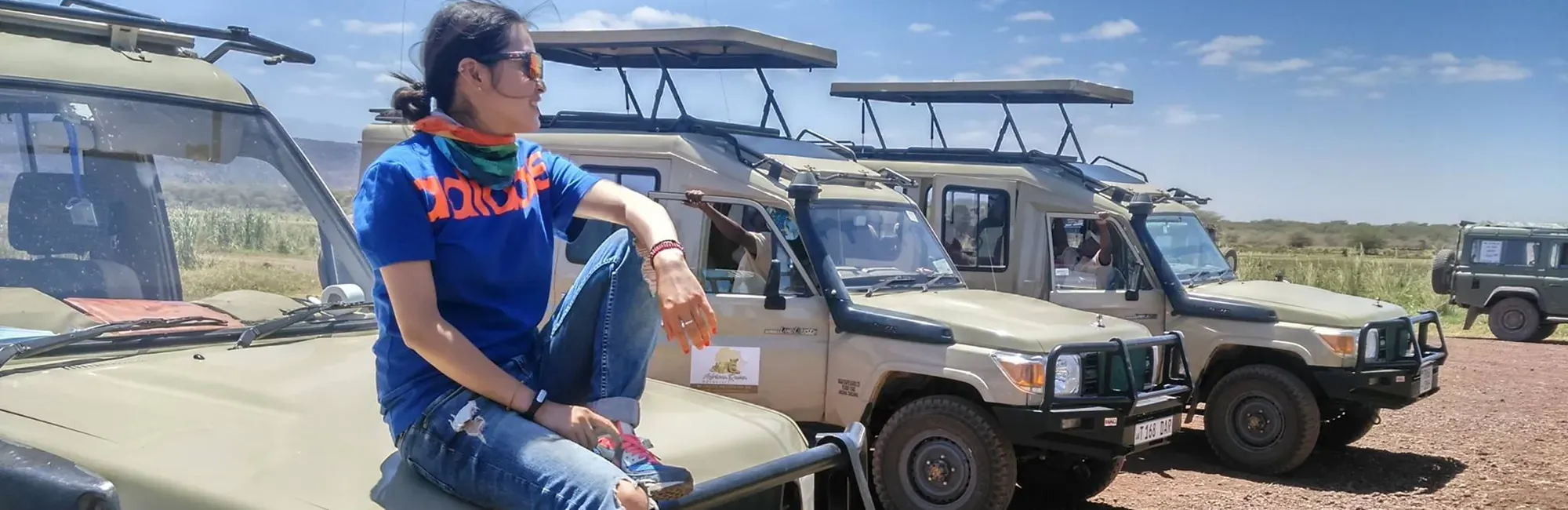
For the safari, we suggest fewer stops and longer stays. Two or three nights each in two parks is more relaxing than a new lodge every night. A private vehicle means you set the schedule, and small tented camps offer privacy that large lodges cannot. Flying between parks cuts out the long road days.
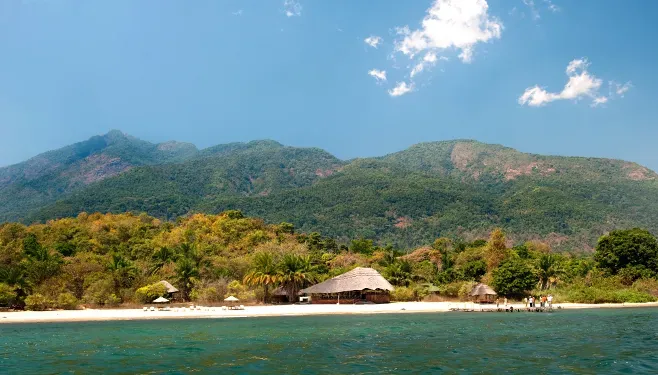
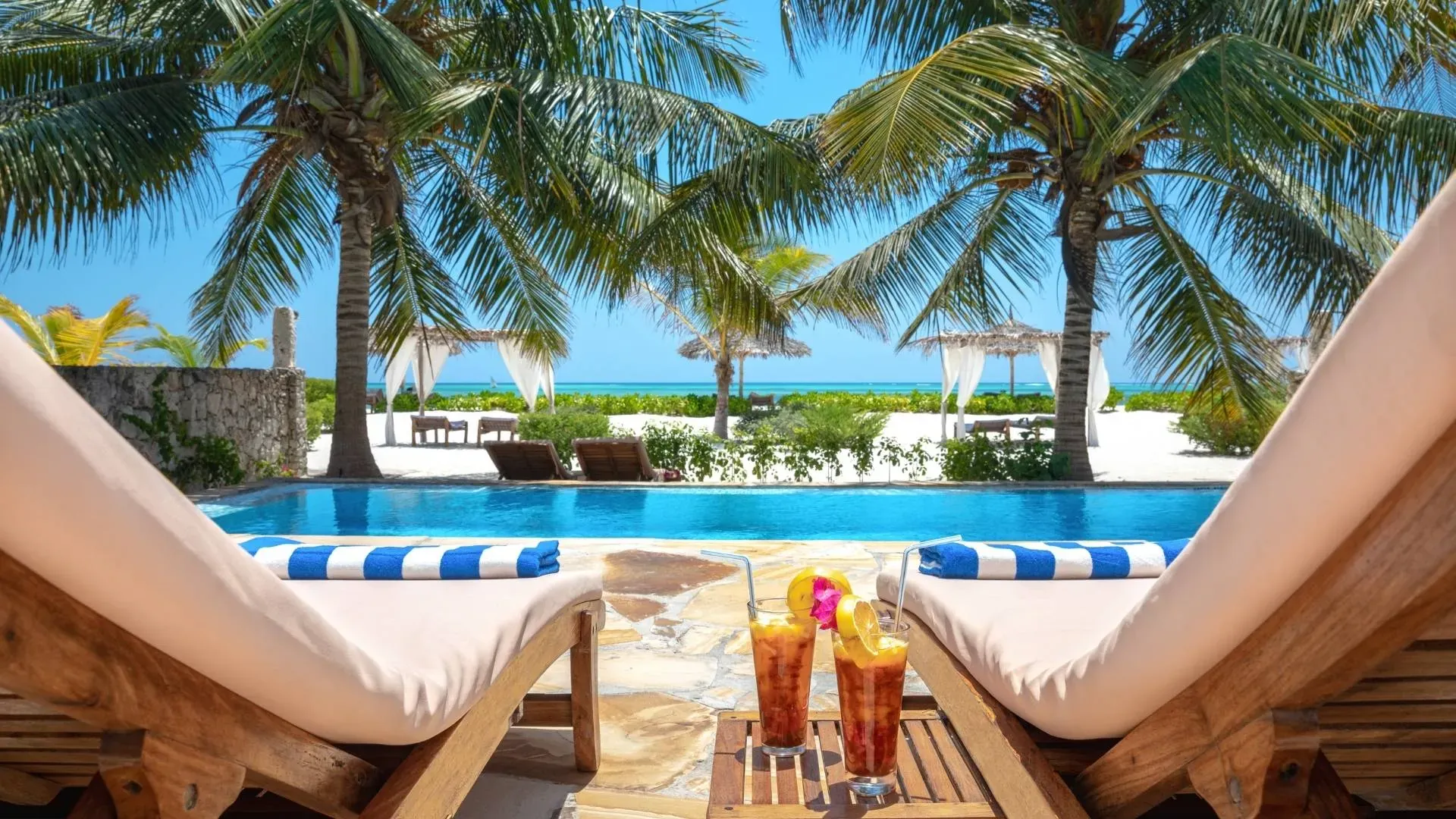
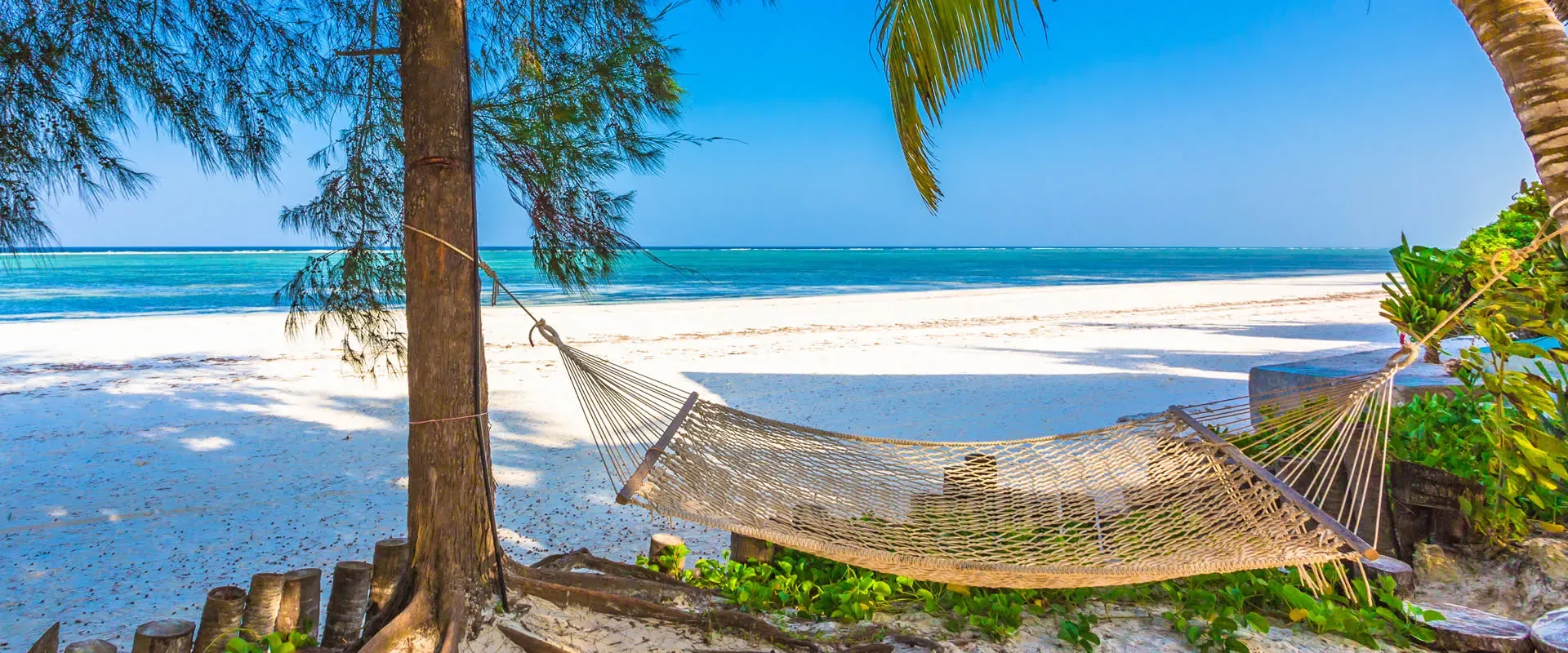
On Zanzibar, the quieter north-east and south-east coasts suit couples better than the busier north. Most people spend a night in Stone Town first.
Tell us it is a honeymoon when you enquire. Many lodges add small extras for newly-weds, such as a private dinner or a room upgrade when one is available, and some offer reduced rates for one partner.
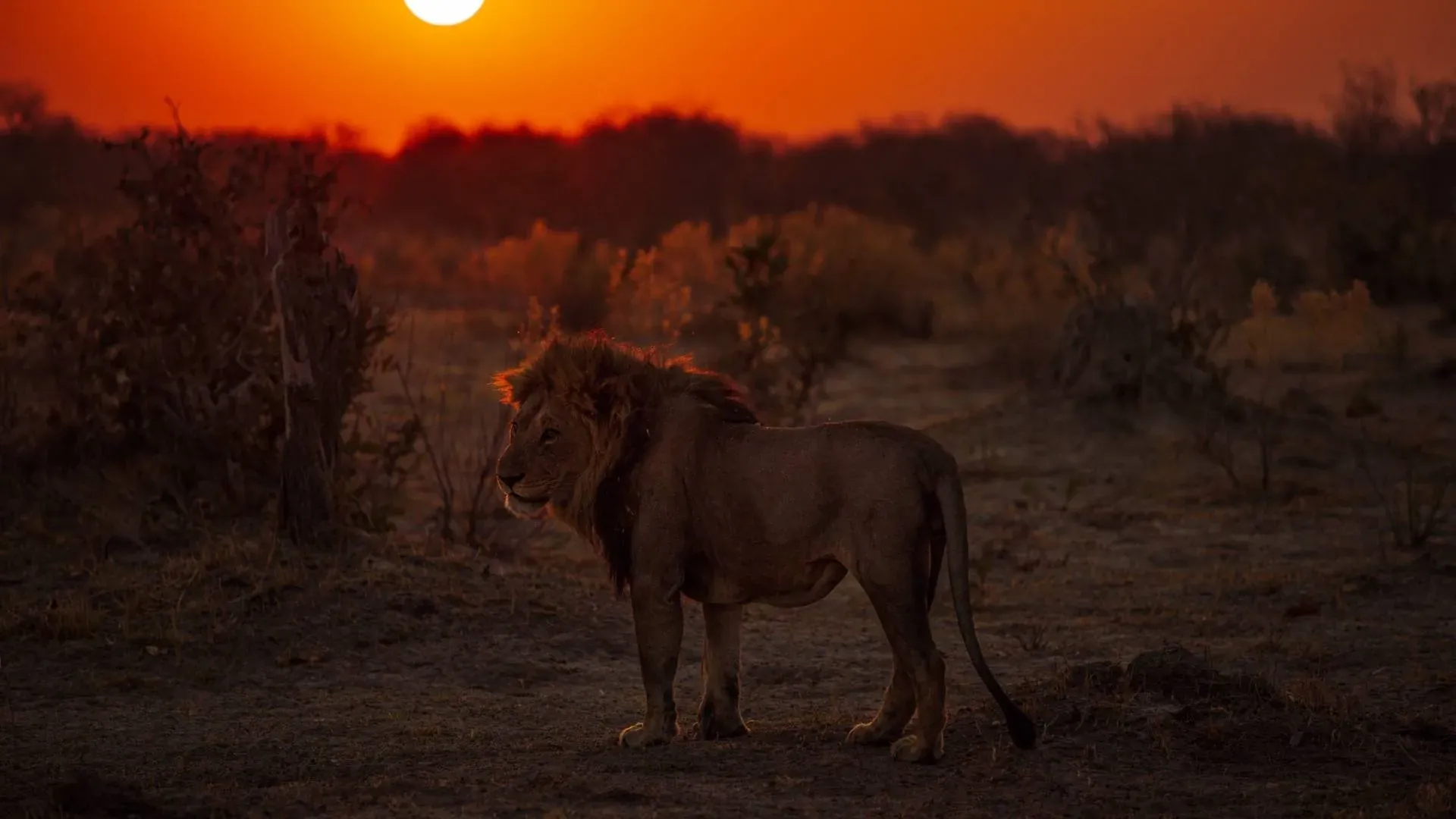
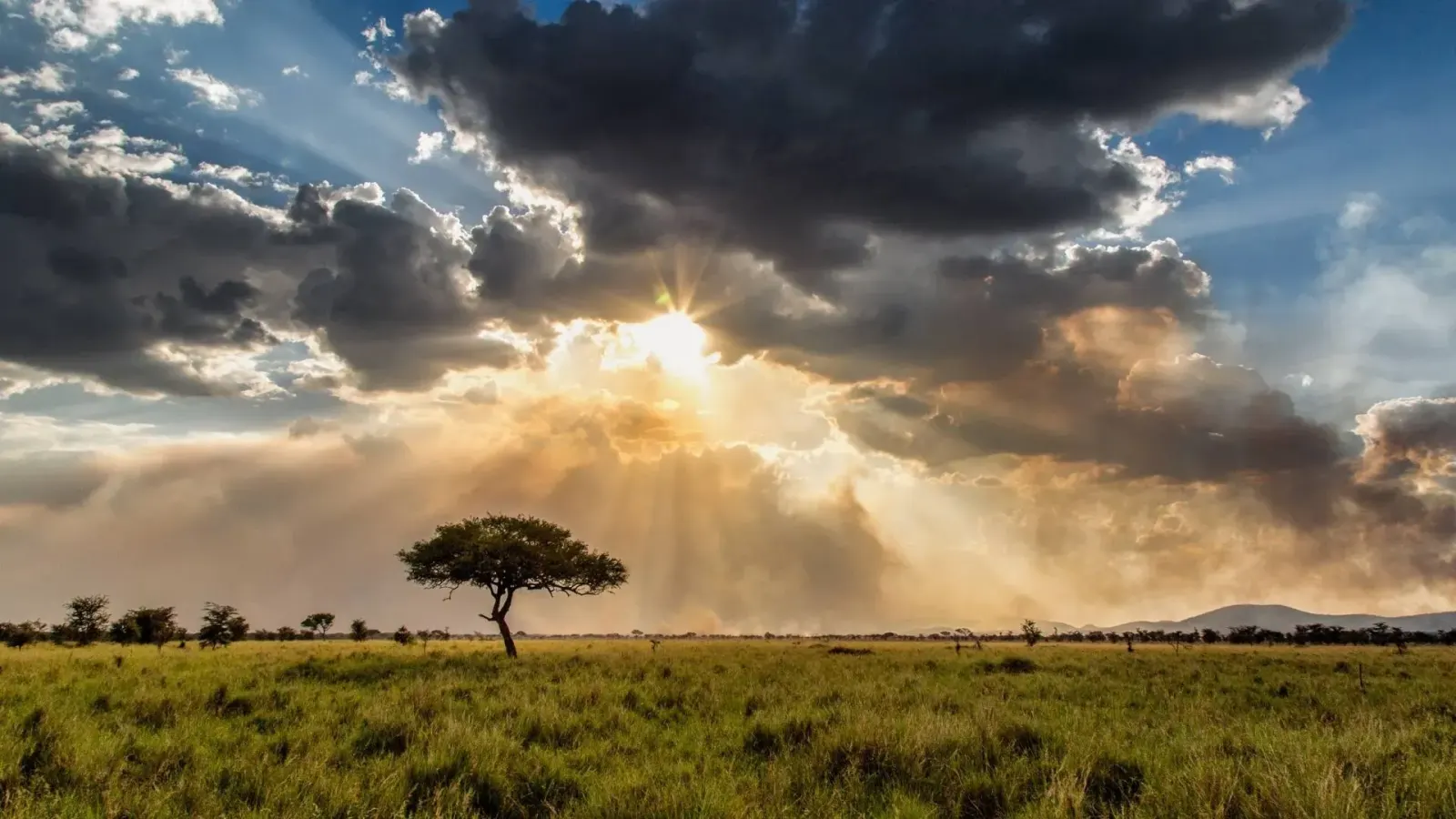
A honeymoon safari mixes adventure and privacy: game drives at your own pace, sundowners in the bush, dinner under the stars and a few days on the beach at the end. We choose intimate camps with private decks and outdoor showers, and we tell every lodge you are celebrating.
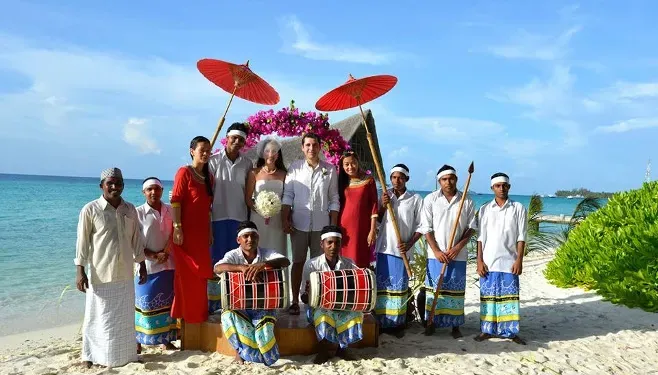
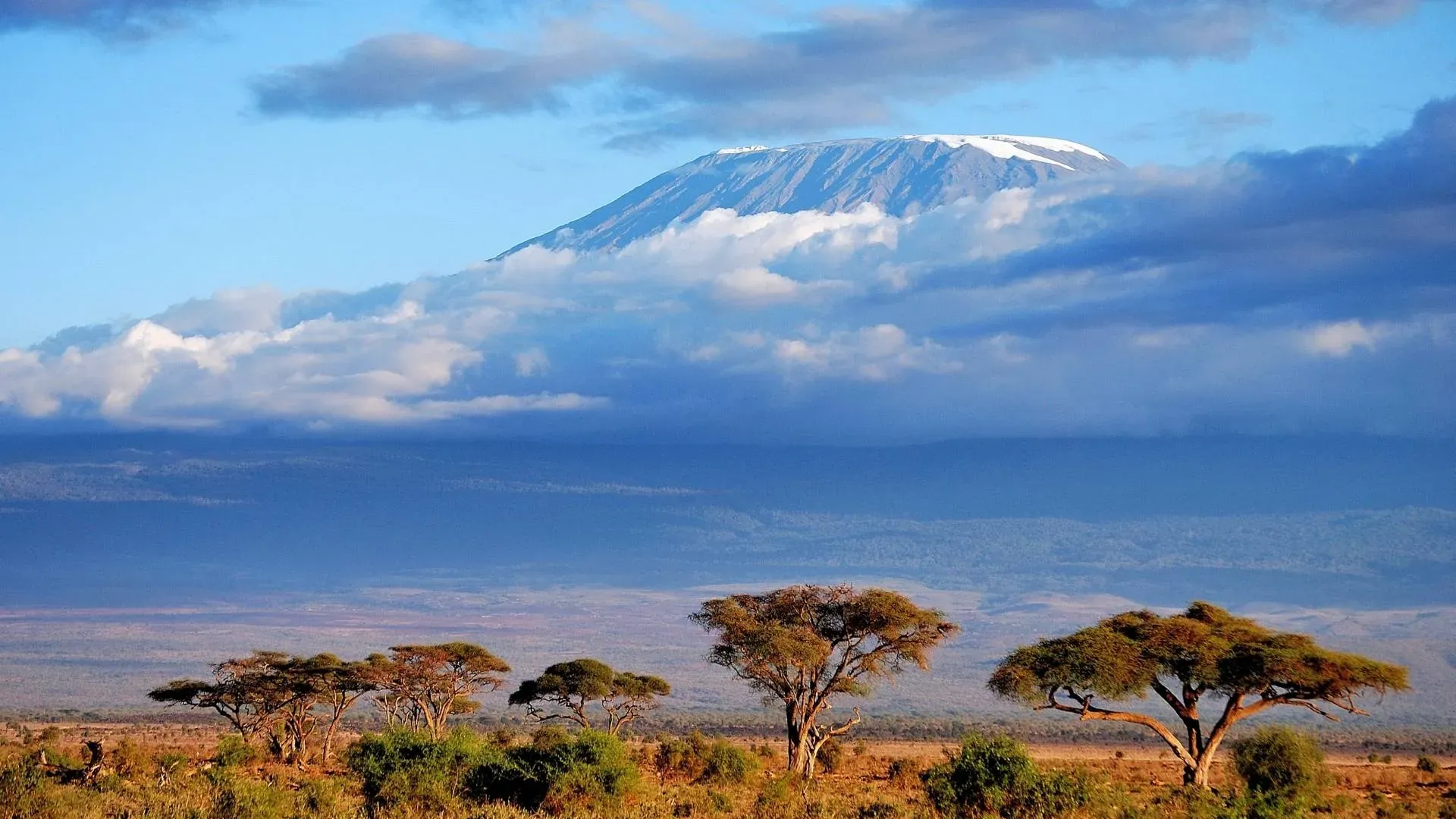
The classic route is the Serengeti and the Ngorongoro Crater, followed by Zanzibar. June to October and January to February are the most reliable months; read our Zanzibar guide to choose your beach.
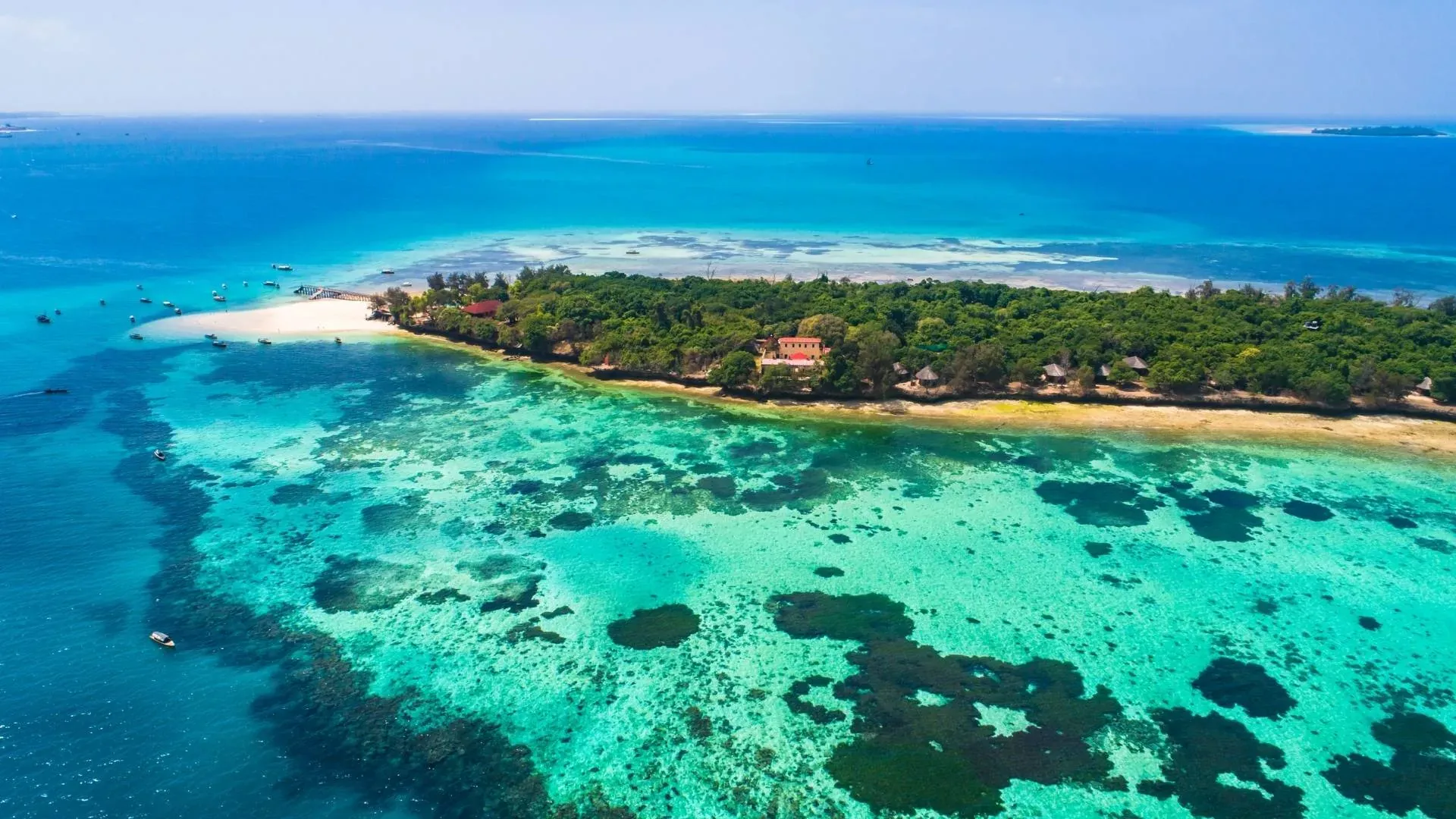
Newlyweds and couples celebrating an anniversary. Ten to fourteen days gives time for both safari and beach without rushing.
Sample itineraries. Every trip is private, so we change the days, lodges and pace to suit you.
Honeymoon Safari Arusha · Tarangire National Park · Central Serengeti (2) · Ngorongoro Crater (2) · Zanzibar (4) · +1 more
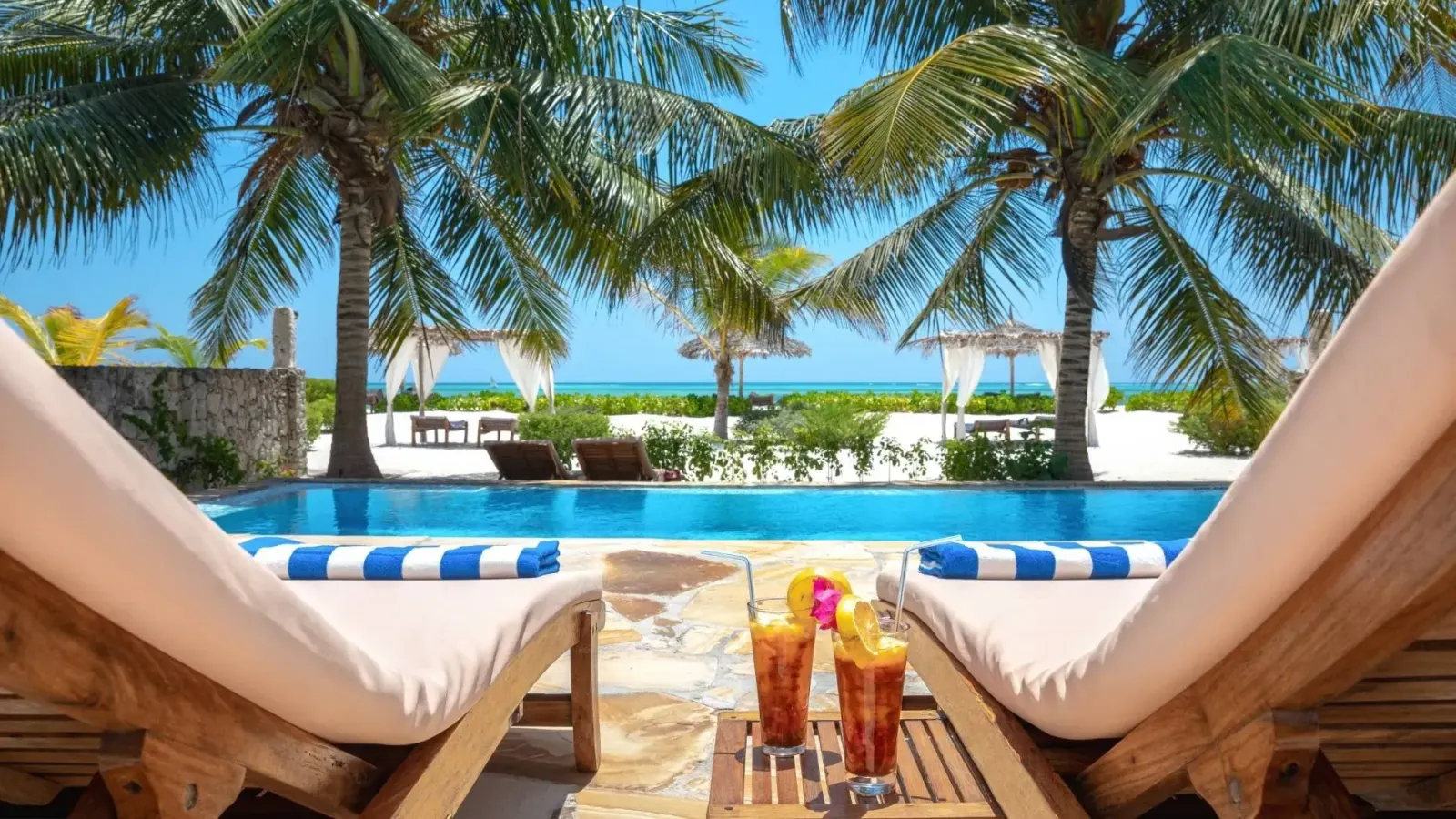 Honeymoon Safari Romantic
Our team in Arusha answers in English, French, German and Spanish.
Our Honeymoon Safari trips run from 7 to 12 days, and most guests choose about 12. Fewer days mean more time on the road; more days let you slow down and stay longer where the animals are.
The best time is June to October, and January to February. Every month has something, though, so read our guide to the best time to visit Tanzania before you choose your dates.
The price depends on the season, the number of people and the lodges you choose. We send a clear, all-inclusive proposal for your dates within 24 hours, and our guide to the cost of a Tanzania safari explains the main costs.
Yes. Zanzibar is about an hour's flight from Arusha or the Serengeti, and Kilimanjaro is an hour's drive from Arusha. See our Zanzibar holidays and Kilimanjaro routes.
Yes. Every trip we run is private, with your own vehicle and guide, and we adapt the route, the lodges and the pace to you. Start with the trip planner or contact us.
Tell us your dates and what you would like to see. A specialist in Arusha sends a route and a clear proposal within 24 hours.
Plan this tripLicensed & trusted
We are a licensed Tanzanian tour operator, working with the national tourism bodies, parks and conservation authorities, and the organisations that look after Kilimanjaro’s porters.





💬 Connect to Live Support
Choose a department to speak with our team:
Our team is currently unavailable
Leave your details and we’ll get back to you shortly.
This session has timed out for your security. Start a new conversation to continue.
AI Safari Agent
Hello! 👋 Need help planning your safari?