
Your cookie settings have been saved.
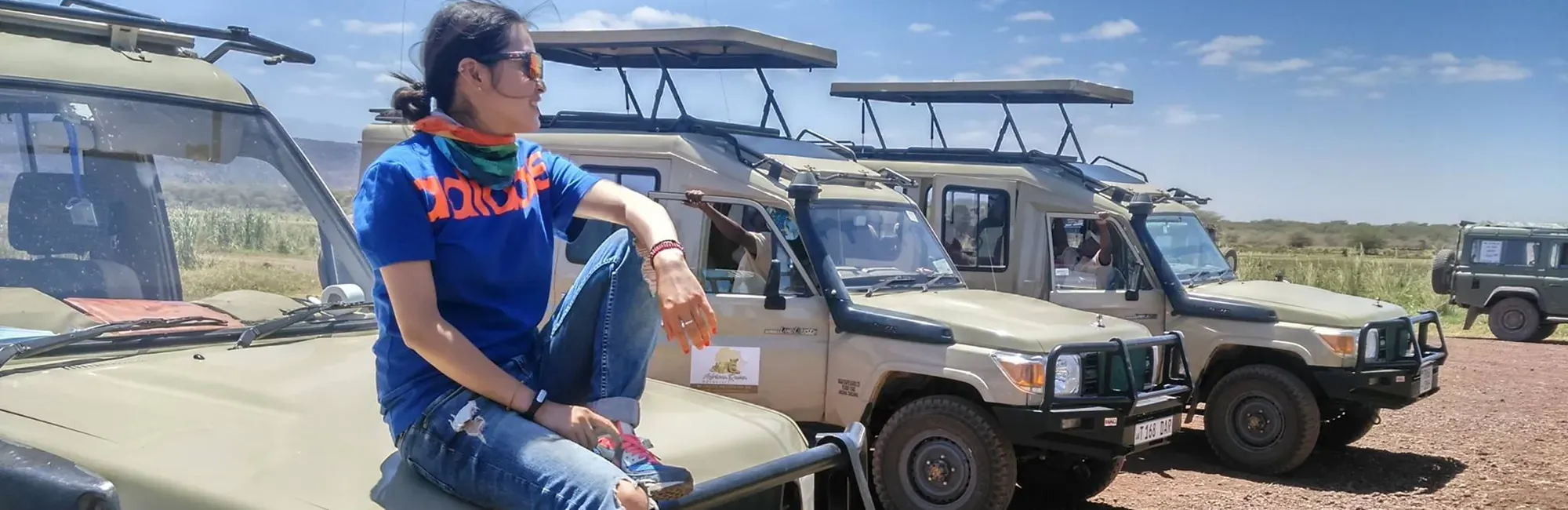
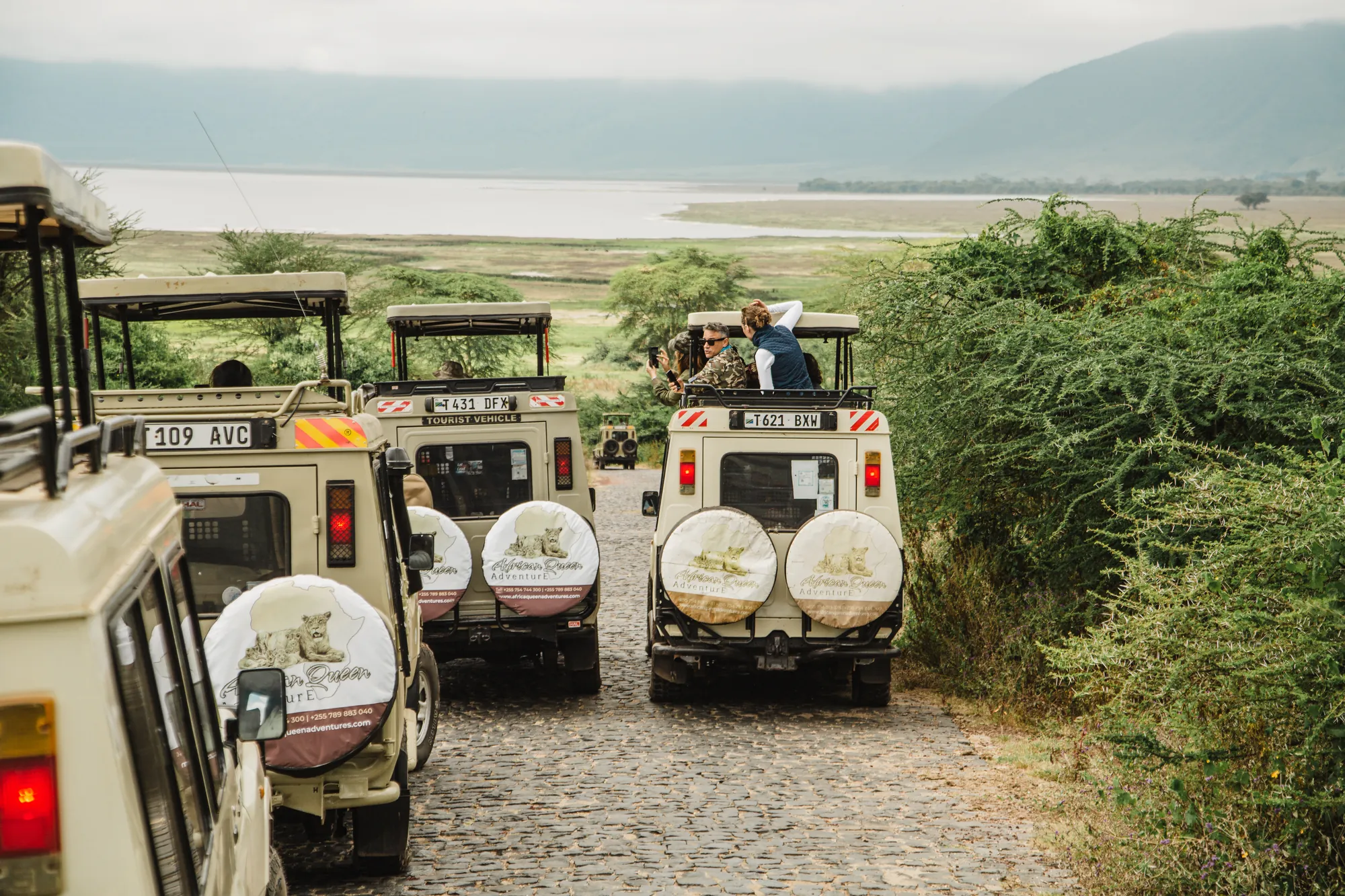
African Queen Adventures safari vehicles on a game drive in the Ngorongoro Crater

Practical information

Tanzania Travel Tips & Practical Information

Everything to sort out before your safari, from visas and vaccinations to money, packing and the best time to go, answered by our team in Arusha.

Tanzania travel tips from people who live here

These Tanzania travel tips are the answers we give our own guests every week. They are short and practical, and each topic links to a longer guide when you need more detail.

Rules change from time to time, so we link to the official source for visas, health and safety. If anything is unclear, ask us: a specialist in Arusha replies within 24 hours.

Traveller relaxing on an African Queen Adventures safari vehicle

When to visit Tanzania

Tanzania is a year-round destination, but each season gives a different trip. June to October is the dry season: animals gather near water, grass is short and game viewing is at its easiest. January and February bring the calving season in the southern Serengeti, with good weather between the rains.

The long rains fall from March to May. Some camps close, but the parks are green, quiet and cheaper. The short rains of November and early December come as brief showers and rarely spoil a trip.

For the Great Migration, Kilimanjaro and Zanzibar, the best months differ. Our guide to the best time to visit Tanzania goes through every month.
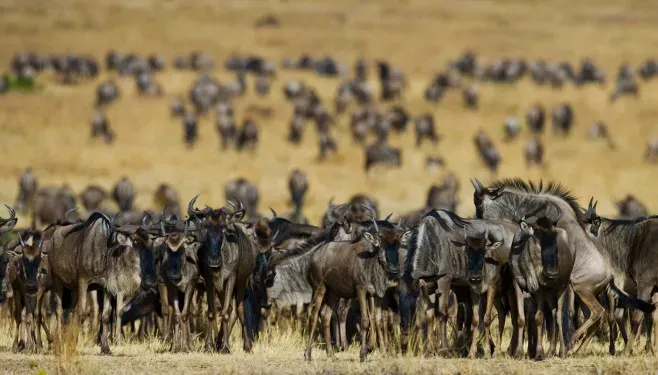
Vast wildebeest herd massed on the plains
Read the full guide →

Tanzania weather

Tanzania lies just south of the equator, so days are warm all year and the seasons are about rain rather than temperature. Altitude matters more than the month: the Ngorongoro rim at 2,300 m is cold at night, while the coast is hot and humid.

June – OctoberDry seasonSunny, dry days and cool nights. The best wildlife viewing.
November – mid-DecemberShort rainsShort afternoon showers, green landscapes, fewer visitors.
Mid-December – FebruaryWarm and dryHot days, calving season in the southern Serengeti.
March – MayLong rainsHeavier rain, lush parks, the lowest prices.

Visa Tanzania

Most visitors need a visa. Apply online on the official Tanzania e-visa portal at least two weeks before you fly. A single-entry tourist visa costs US$50 for most nationalities and US citizens pay US$100 for a multiple-entry visa.

Your passport must be valid for six months after arrival, with blank pages. A visa on arrival is still possible at the main airports, but queues can be long and you need US dollars in cash.

Read the full guide →

Yellow fever and vaccinations

A yellow fever certificate is required if you arrive from, or have had a long transit in, a country with yellow fever risk, which includes Kenya. Without it you may be refused entry or vaccinated at the airport.

Talk to a travel clinic at least six weeks before departure about routine vaccinations and others often advised for East Africa, such as hepatitis A, typhoid and tetanus. Up-to-date advice by country is published by the World Health Organization.

Health and malaria

Malaria is present in most of Tanzania below about 1,800 m, including the parks and Zanzibar. Ask your doctor about antimalarial tablets, use a DEET-based repellent in the evening, wear long sleeves after dark and sleep under the nets provided in camps.

Drink bottled or filtered water, which lodges and camps provide. Bring any prescription medicines in your hand luggage, a small first-aid kit and high-factor sunscreen: the equatorial sun is strong even when it feels cool.

Travel insurance and flying doctors

Comprehensive travel insurance is essential. Make sure it covers medical treatment, emergency evacuation by air and, if you climb, trekking up to 6,000 m for Kilimanjaro. Keep the policy number and emergency phone number with you.

Many travellers also take tourist evacuation cover from AMREF Flying Doctors, which runs air ambulances across East Africa from Nairobi. It complements your insurance and means a plane can be sent to a remote airstrip quickly.

Tanzania travel advice

Tanzania is stable and welcoming, and millions of visitors travel safely every year. On safari you are with your guide throughout; in towns, keep valuables out of sight, carry only the cash you need and use a taxi arranged by your hotel after dark.

On Zanzibar, dress modestly away from the beach. Always read your government's current advice before you book, for example the UK Foreign Office advice for Tanzania.

Read the full guide →

Money, cards and tipping

The currency is the Tanzanian shilling (TZS), but US dollars are widely accepted for tourism. Bring clean US dollar notes printed after 2009 in small denominations for tips. Cards work in larger hotels and lodges, and ATMs are found in Arusha, Moshi and Zanzibar, but not in the parks.

Tipping is customary. As a guide, many travellers give their safari guide US$15–25 per person per day and add a shared tip for camp staff. On Kilimanjaro, tips for guides, cooks and porters are paid at the end of the climb.

Read the full guide →

What to pack

Pack neutral colours, layers for cold mornings, a hat, sunglasses and comfortable shoes. Use a soft bag: light aircraft between the parks usually allow about 15 kg per person including hand luggage.

Leave camouflage clothing and plastic carrier bags at home: both are banned in Tanzania. Binoculars are the most useful thing you can bring.

Read the full guide →

Getting there and around

Most safaris start at Kilimanjaro International Airport (JRO), an hour from Arusha. Dar es Salaam (DAR) serves the southern parks, and Zanzibar (ZNZ) has direct international flights too. We meet every guest at the airport.

Between parks you travel in a private 4x4 with a pop-up roof, or by light aircraft on longer trips. Flights from the Serengeti to Zanzibar take about two hours with a stop.

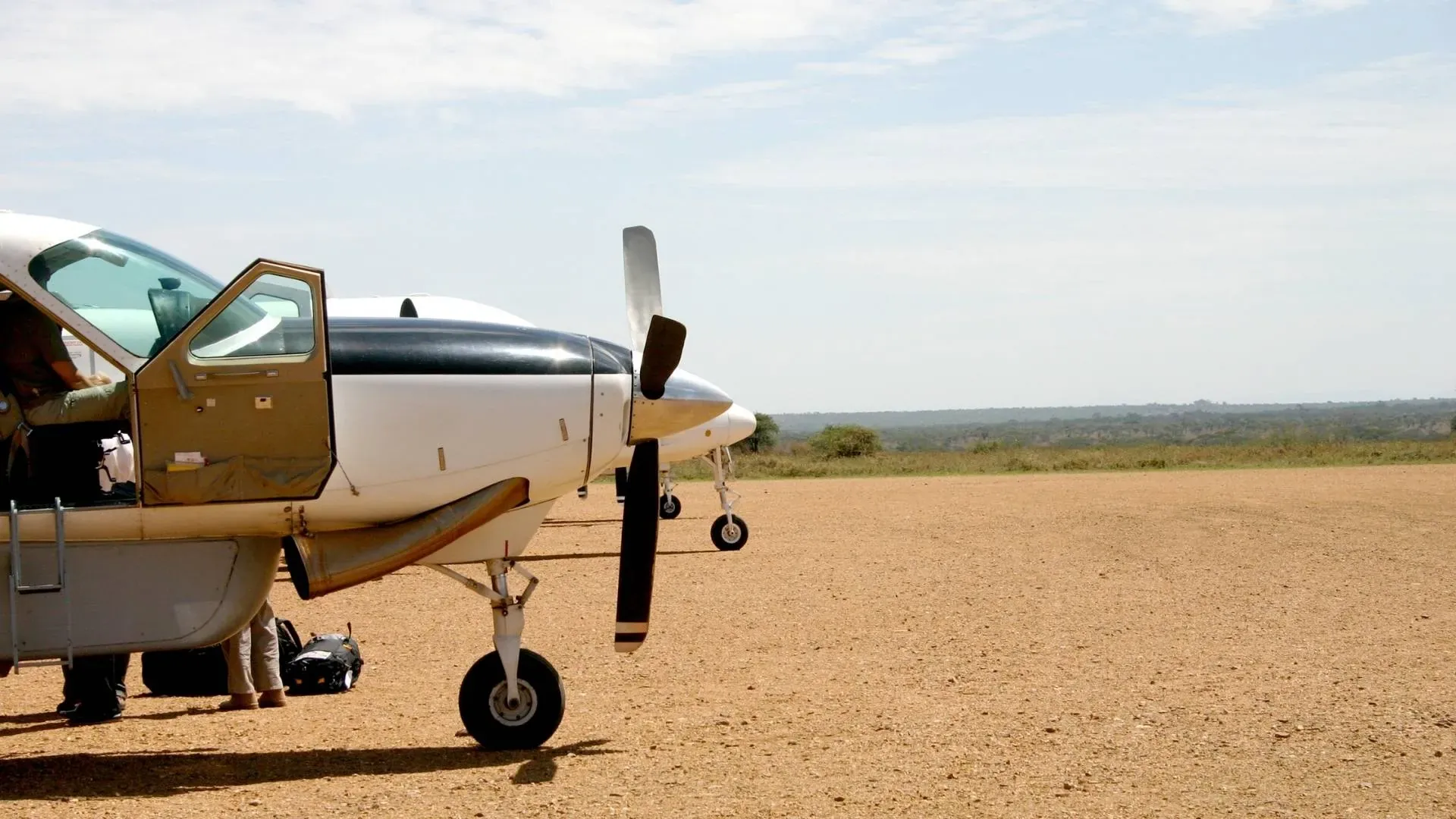
Light aircraft parked on a dirt bush airstrip

Culture and etiquette

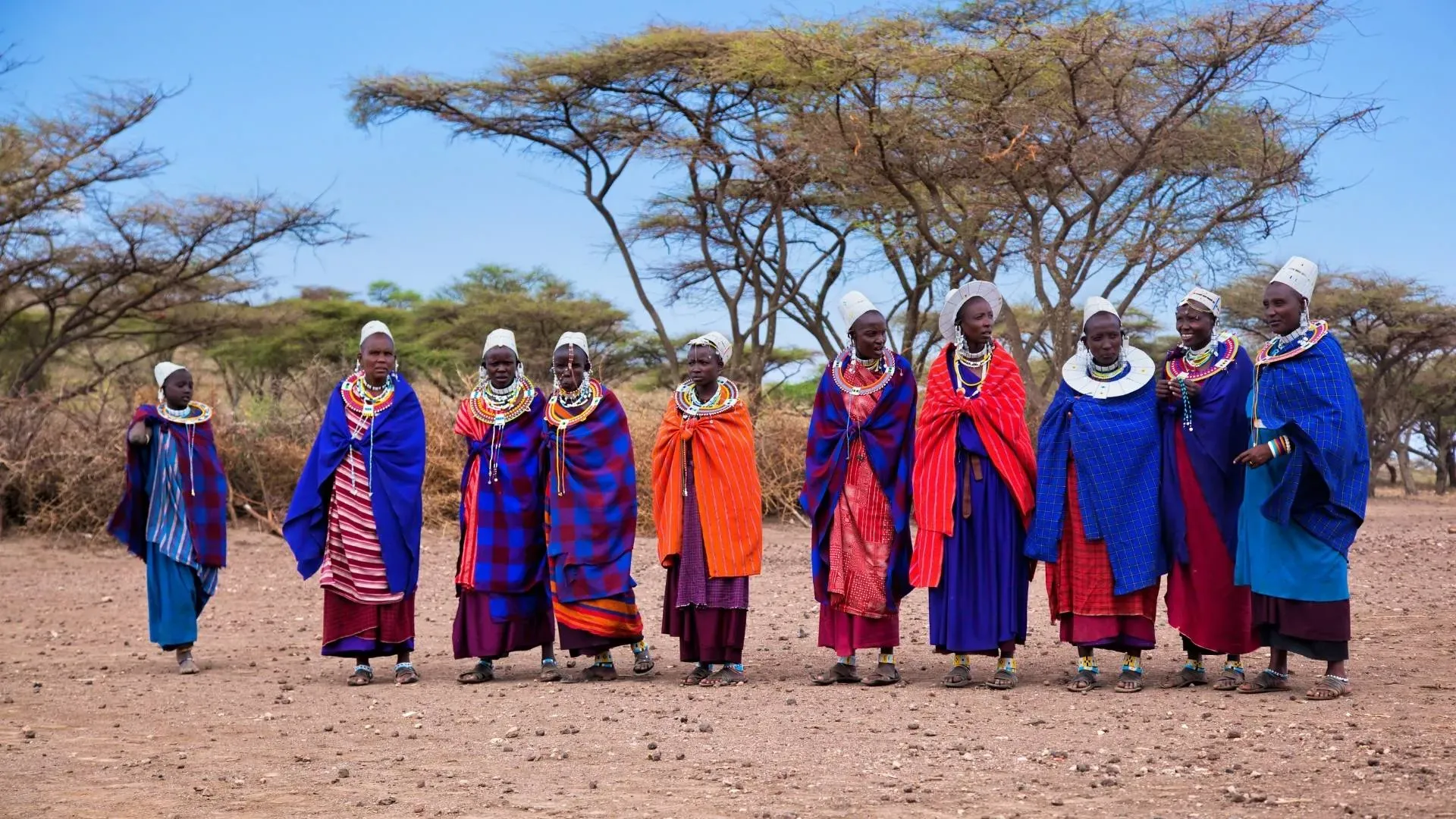
Tanzanians value greetings: a smile and "Jambo" (hello) or "Asante" (thank you) go a long way. Always ask before photographing people, especially in Maasai villages, and use your right hand to give or receive.

Dress modestly in towns and villages, covering shoulders and knees, and respect prayer times on Zanzibar, which is mostly Muslim.

Maasai women in colourful traditional dress standing beneath acacia trees

Responsible travel

We employ local guides, cooks and drivers, choose lodges that treat staff and communities well, and keep group sizes small. Park fees fund conservation and anti-poaching, so every safari helps protect the wildlife you come to see.

You can help too: keep a respectful distance from animals, never feed them, avoid single-use plastic and buy crafts directly from the people who make them.

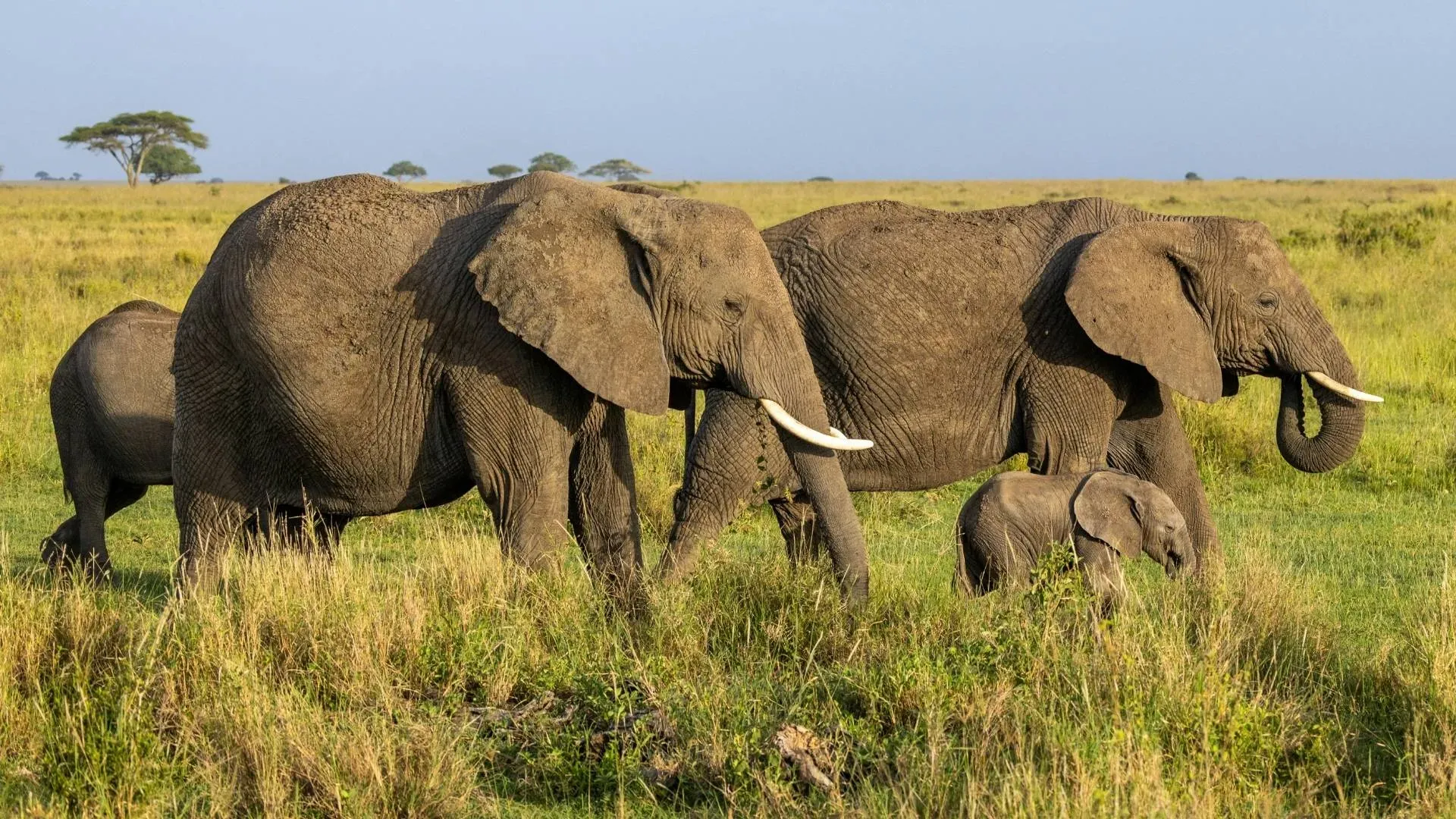
Elephant family with a young calf grazing on the savannah

How booking works

Tell us your dates, interests and budget in the trip planner or by email. A specialist replies within 24 hours with a route and a clear, all-inclusive proposal. We adjust it together until it is right.

You only pay once you are happy with the plan. Payment terms and options are set out clearly in your proposal, and we stay in touch from the day you book until you are home.

Call a Tanzania expert

Ask anything about visas, health, seasons or routes. We answer in English, French, German and Spanish.

Frequently asked questions

Do I need a visa for Tanzania?

Most visitors do. Apply for the e-visa on the official Tanzania Immigration website at least two weeks before you fly; a single-entry tourist visa costs US$50 for most nationalities.

Do I need a yellow fever vaccination?

Only if you arrive from, or have had a long transit in, a country with yellow fever risk, such as Kenya. Ask a travel clinic about other vaccinations at least six weeks before you travel.

Is Tanzania safe for tourists?

Yes. Tanzania is stable and welcoming. On safari you are with your guide throughout; in towns, use common-sense precautions and check your government's current travel advice before you book.

What is the best time to visit Tanzania?

June to October is the dry season and the easiest time for wildlife; January and February bring the calving season. The parks are open all year, and the rainy months are quieter and cheaper.

Which currency should I bring?

US dollars in clean notes printed after 2009, in small denominations for tips. Cards work in larger hotels, and ATMs are available in towns but not in the parks.

How much should I tip my safari guide?

Many travellers give around US$15–25 per person per day to their guide, plus a shared tip for camp staff. Tipping is appreciated but always at your discretion.

Let us create your tailor-made trip

Tell us your dates and wishes and receive a free, no-obligation proposal within 24 hours.

Plan your trip

Licensed & trusted

Our partners

We are a licensed Tanzanian tour operator, working with the national tourism bodies, parks and conservation authorities, and the organisations that look after Kilimanjaro’s porters.