 Great Migration
16-Day Northern Tanzania Safari with Lake Natron & Lake Eyasi
Arusha (2) · Moshi (Kilimanjaro) (2) · Tarangire National Park (2) · Lake Manyara National Park (2) · Lake Natron (2) · +3 more
 Read
Tanzania Visa Guide 2026: e-Visa, Costs and Entry Rules
Explore Destination · Tanzania
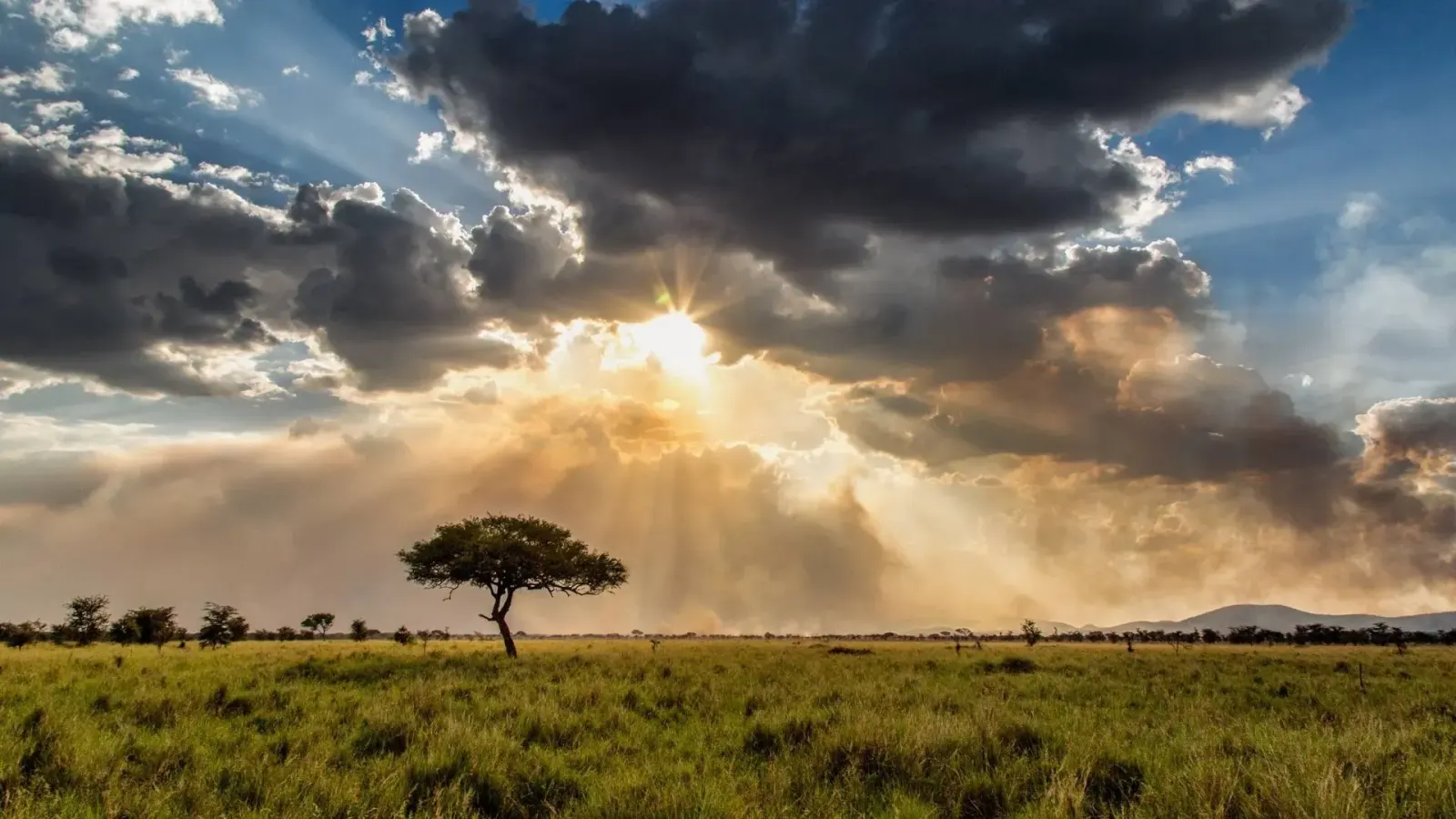
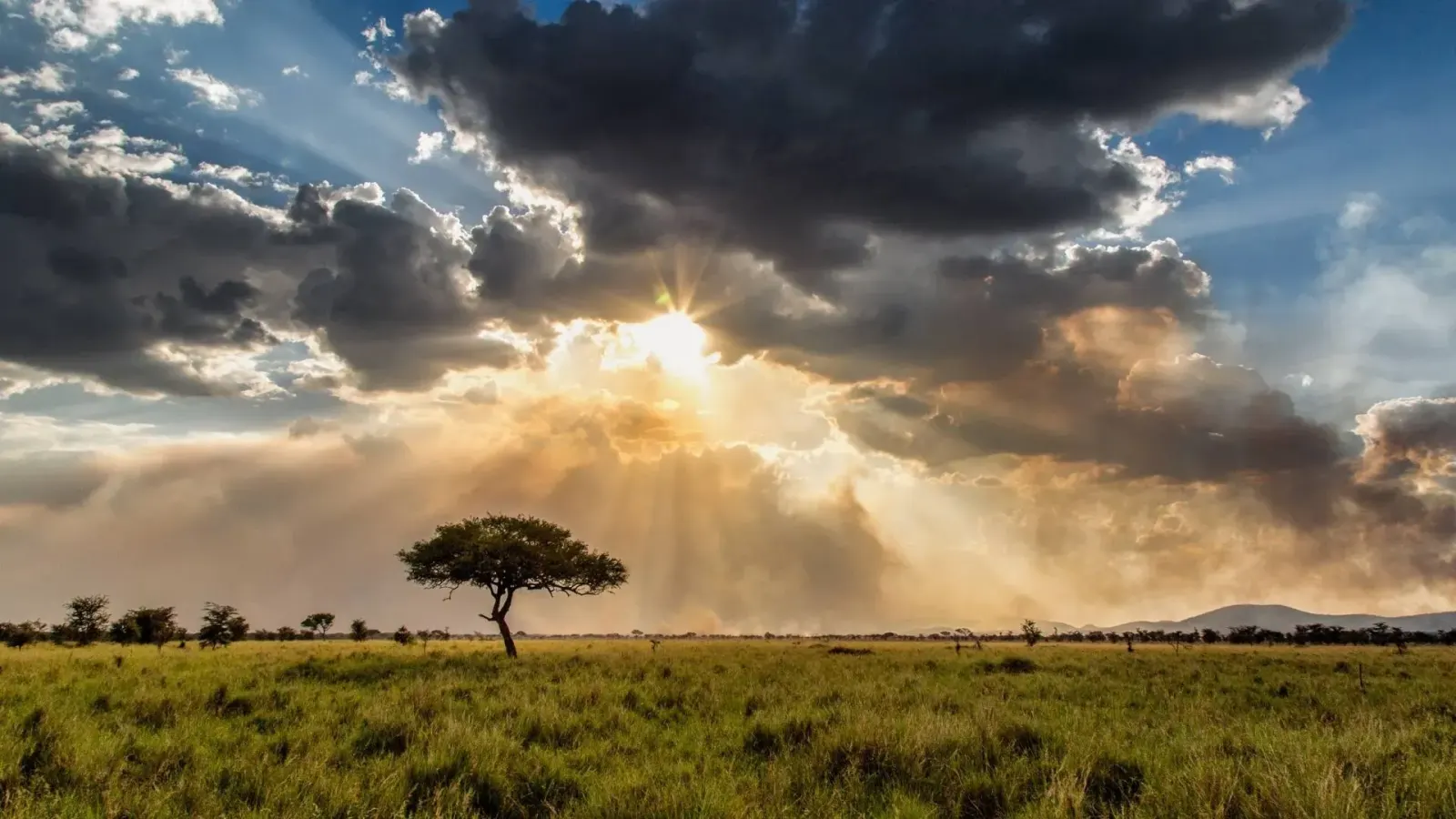
Central Serengeti safari: The central Serengeti is the valley of the Seronera River, the one part of the park where water flows all year.
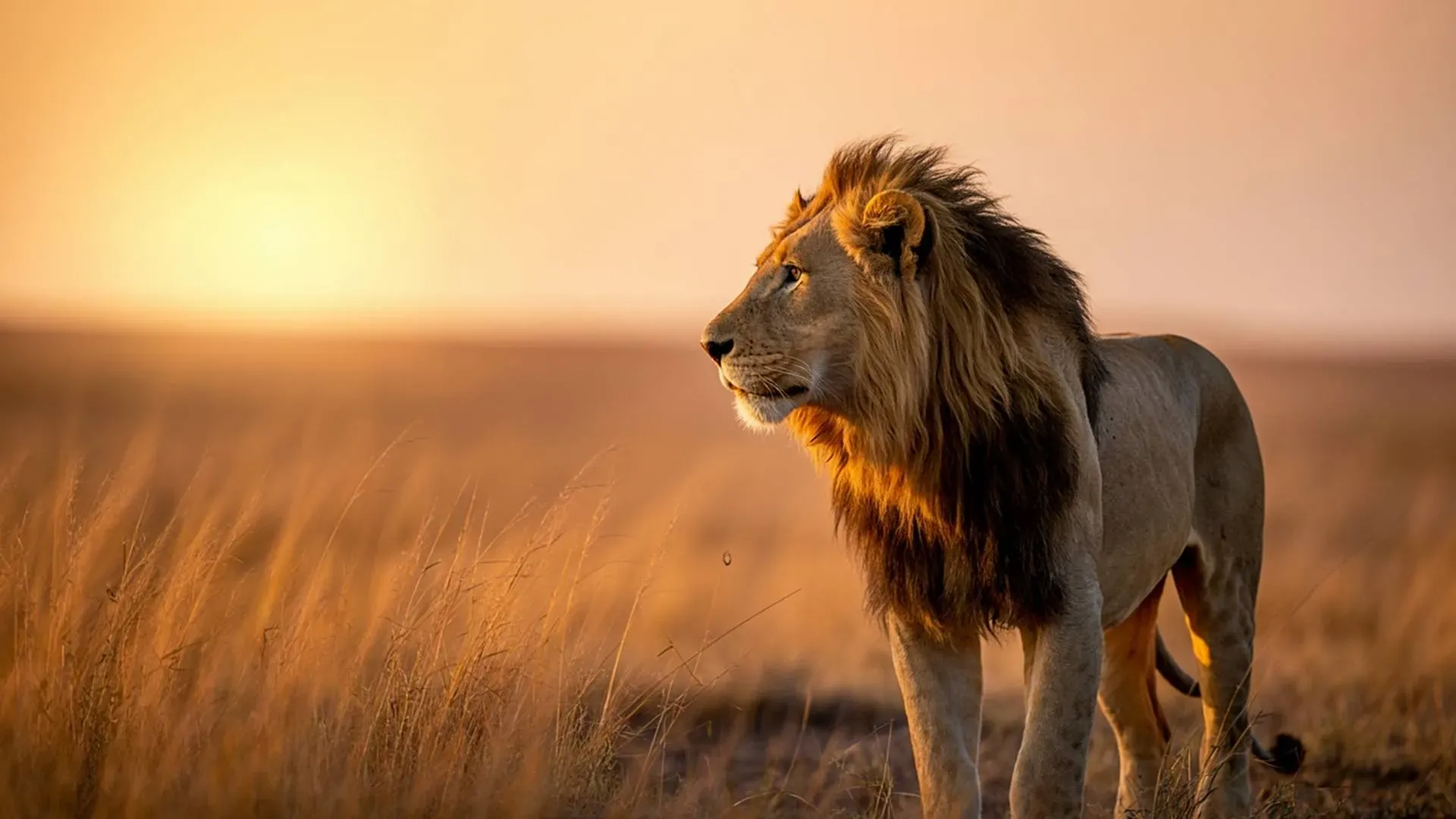
The central Serengeti is the valley of the Seronera River, the one part of the park where water flows all year. Because the water stays, so do the animals that depend on it, and that makes Seronera the most reliable area of the Serengeti for predators in any month.
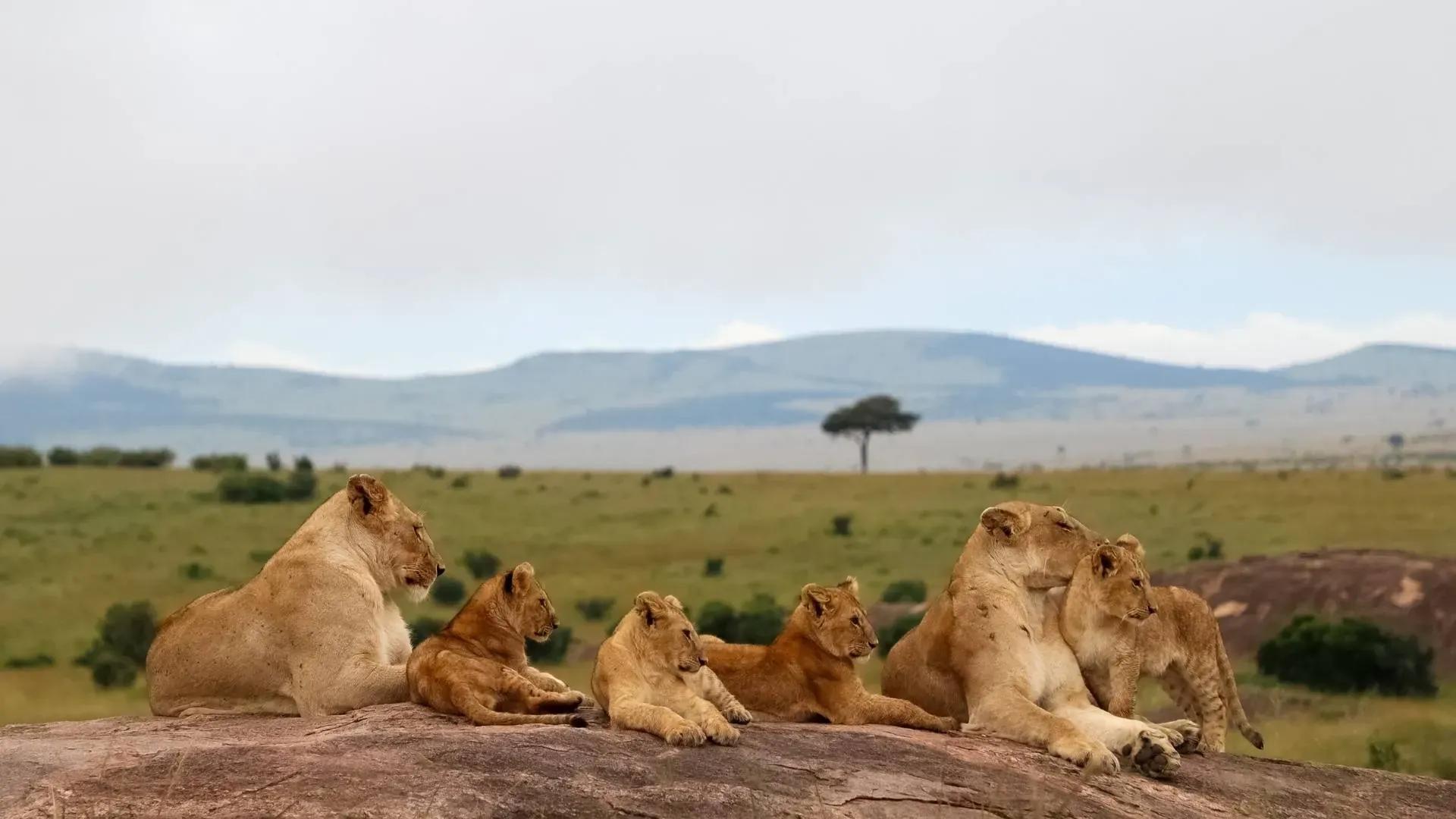
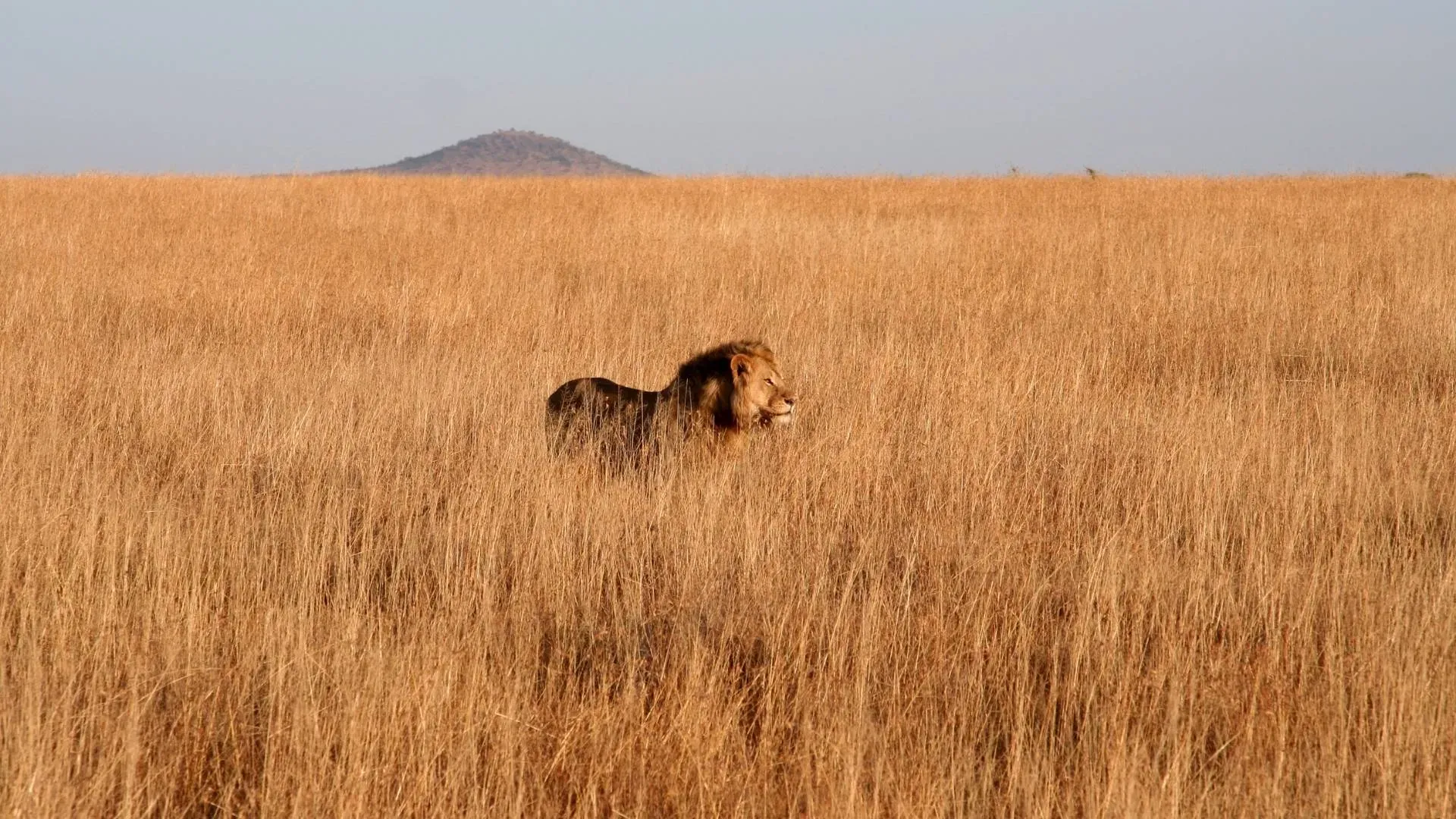
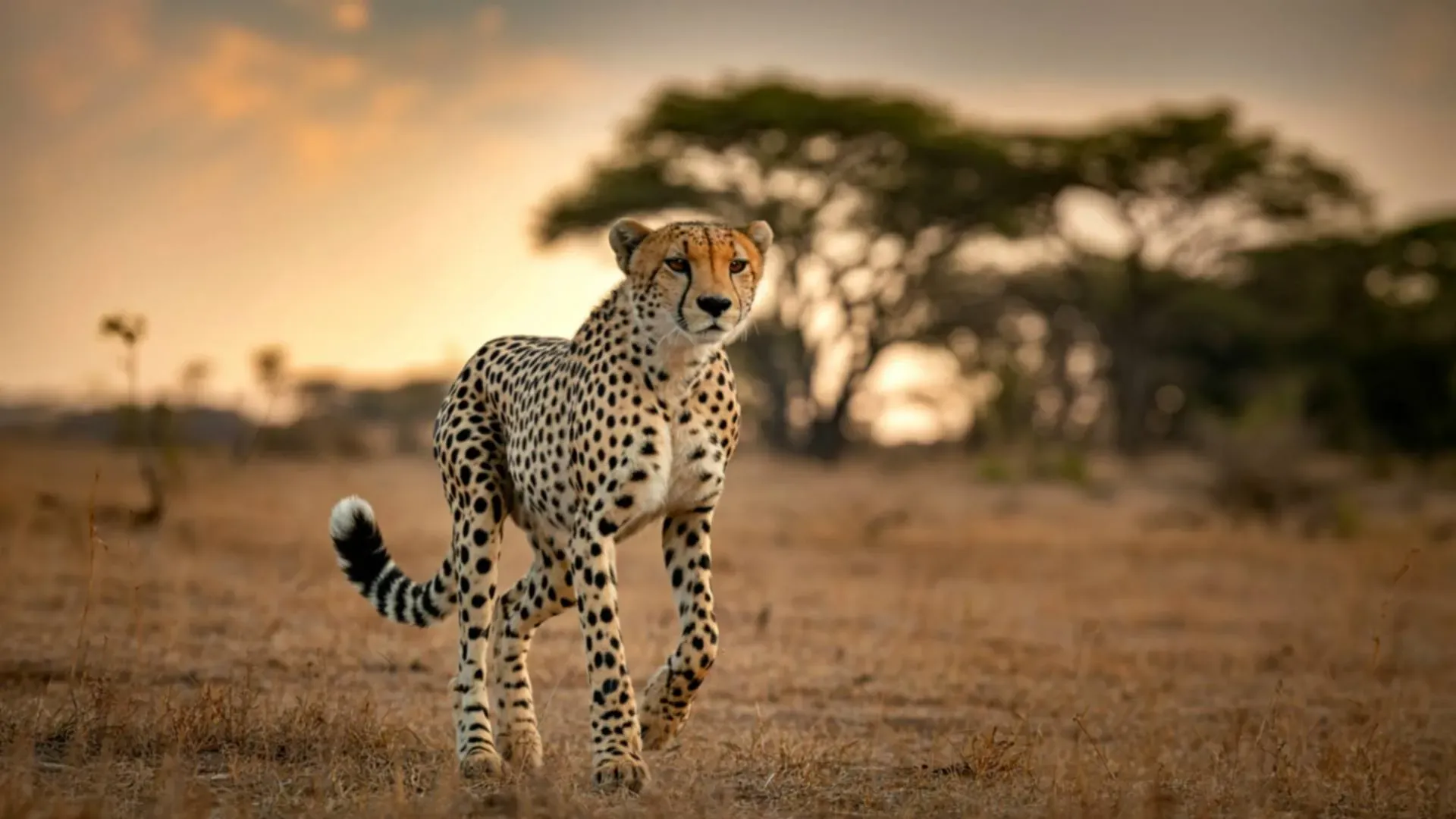
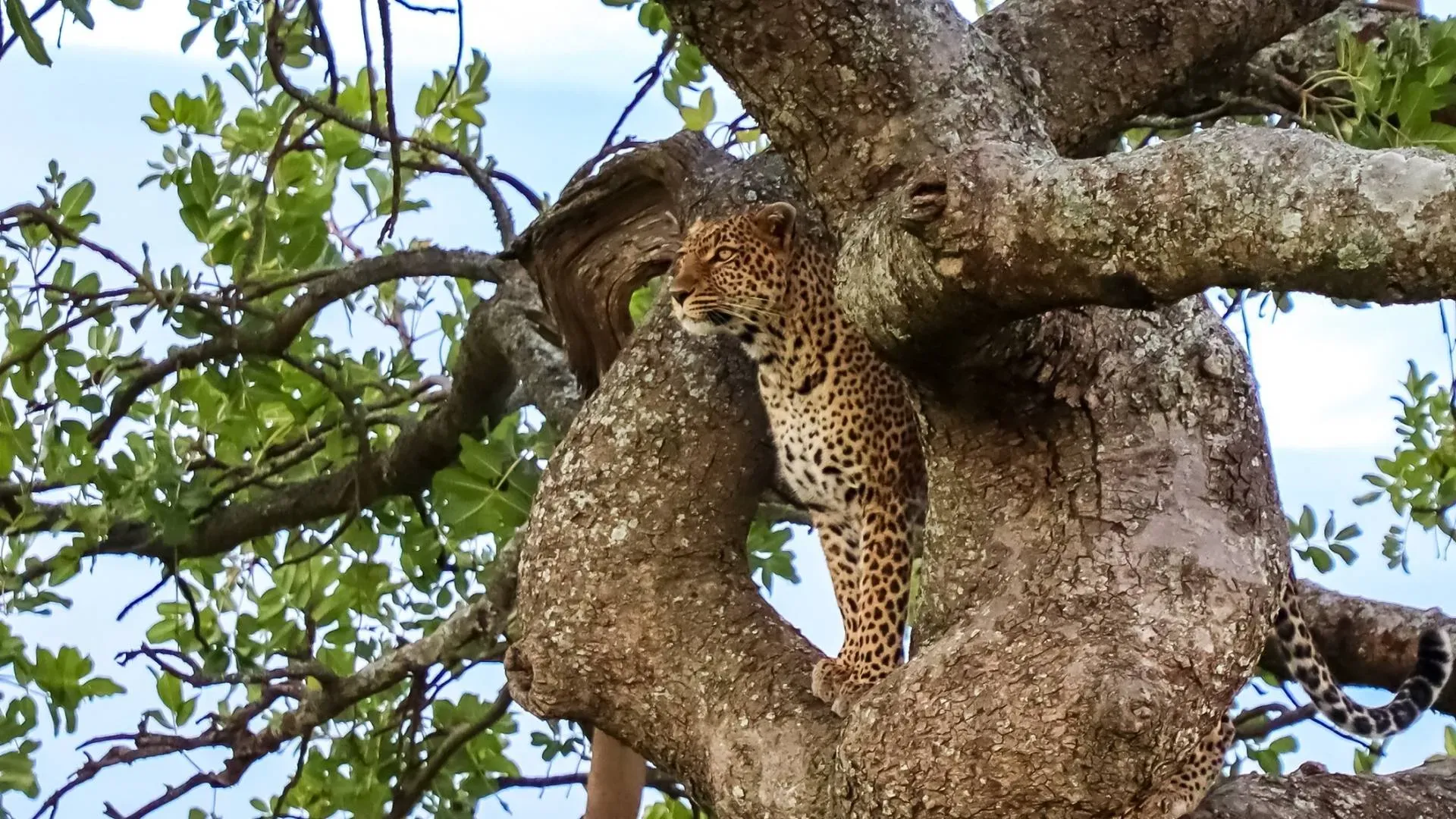
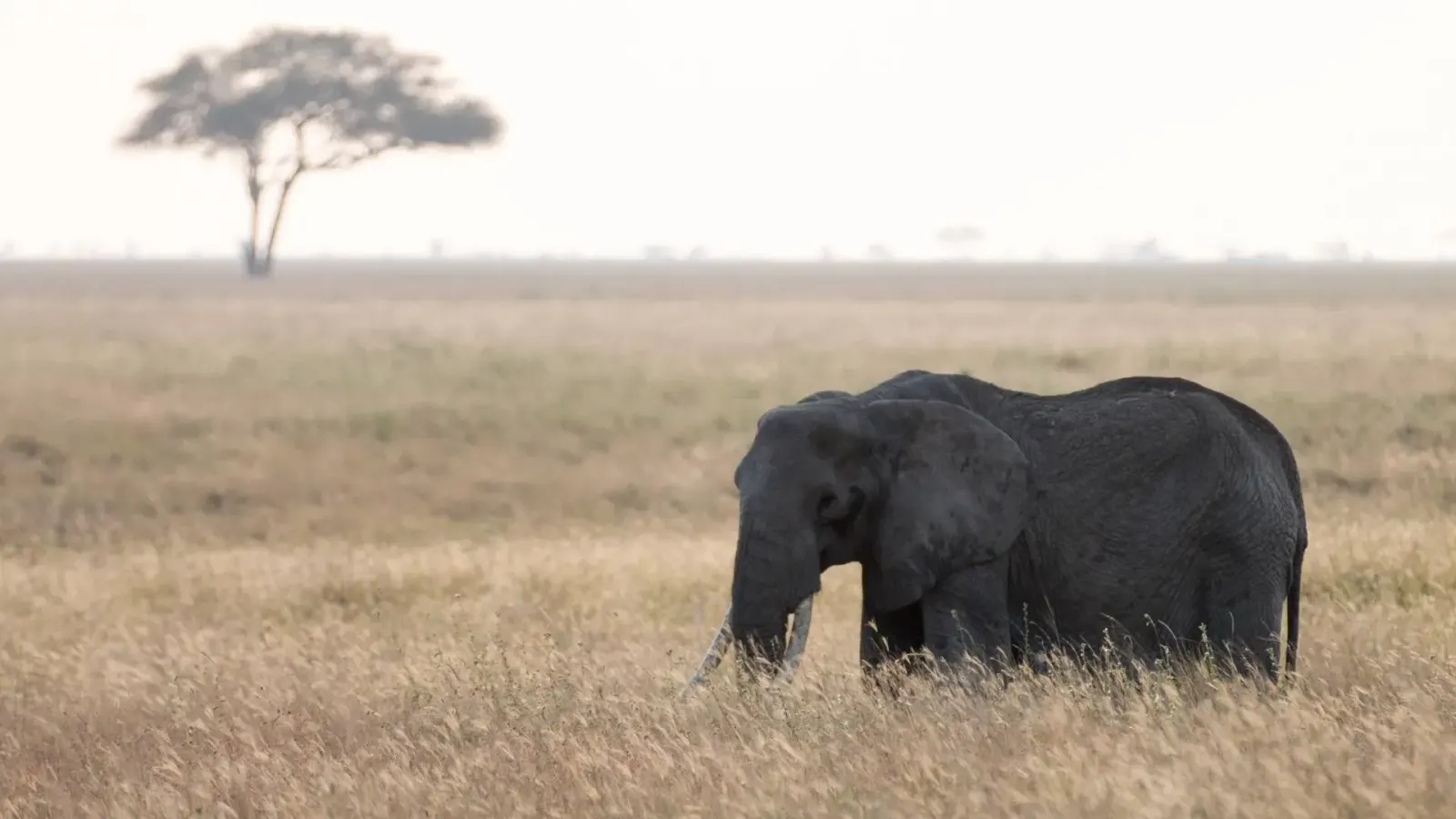
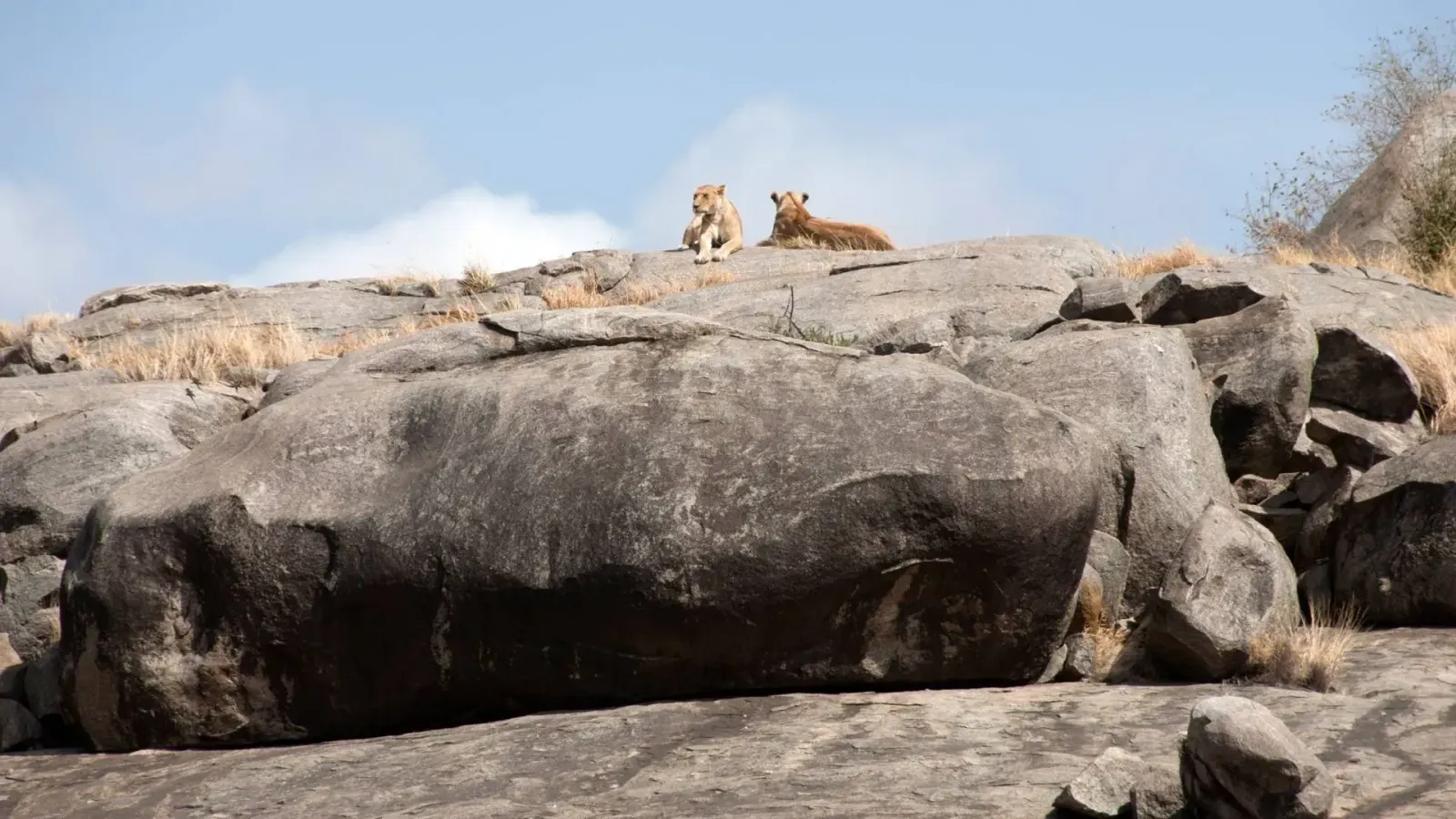
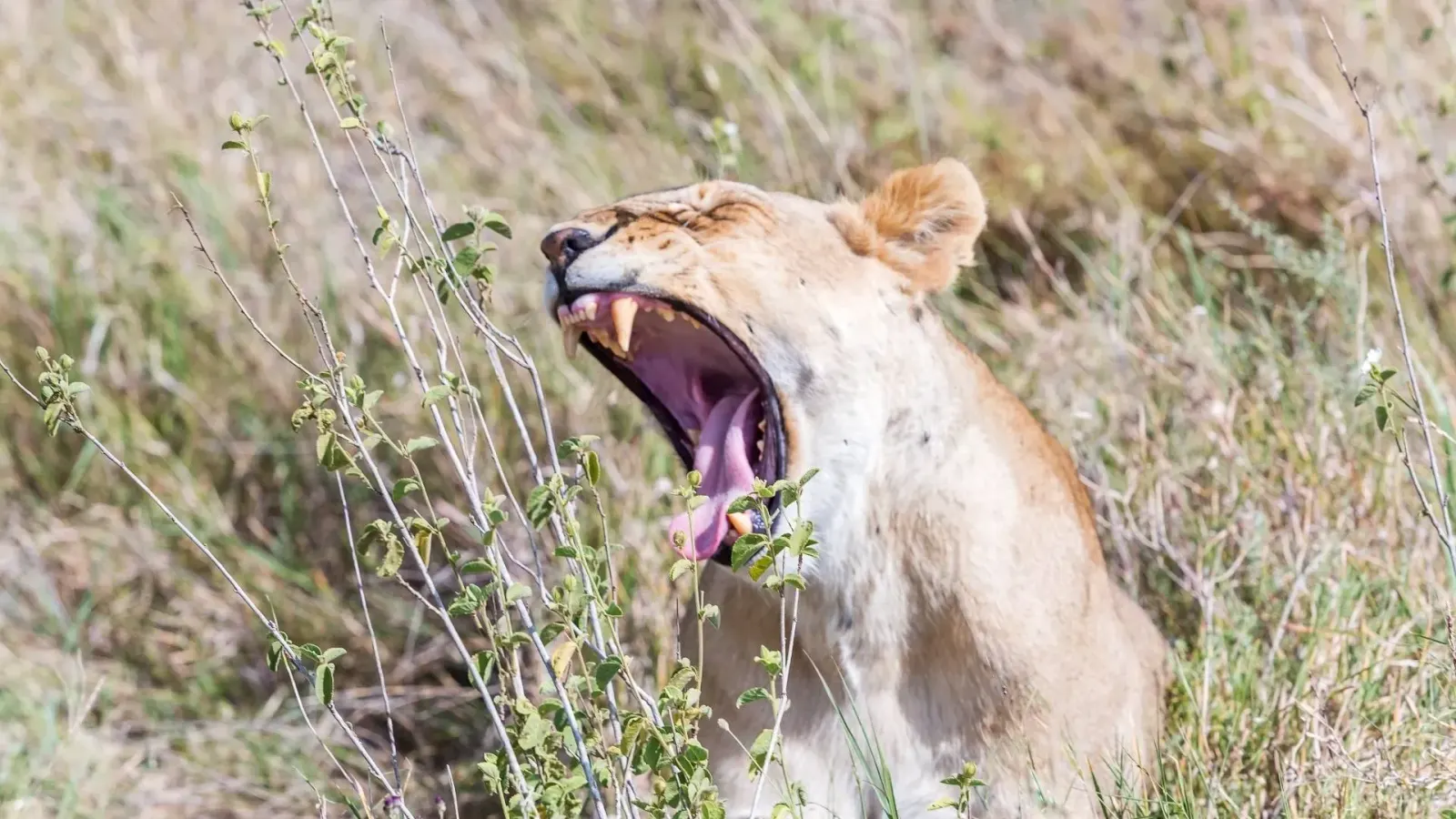
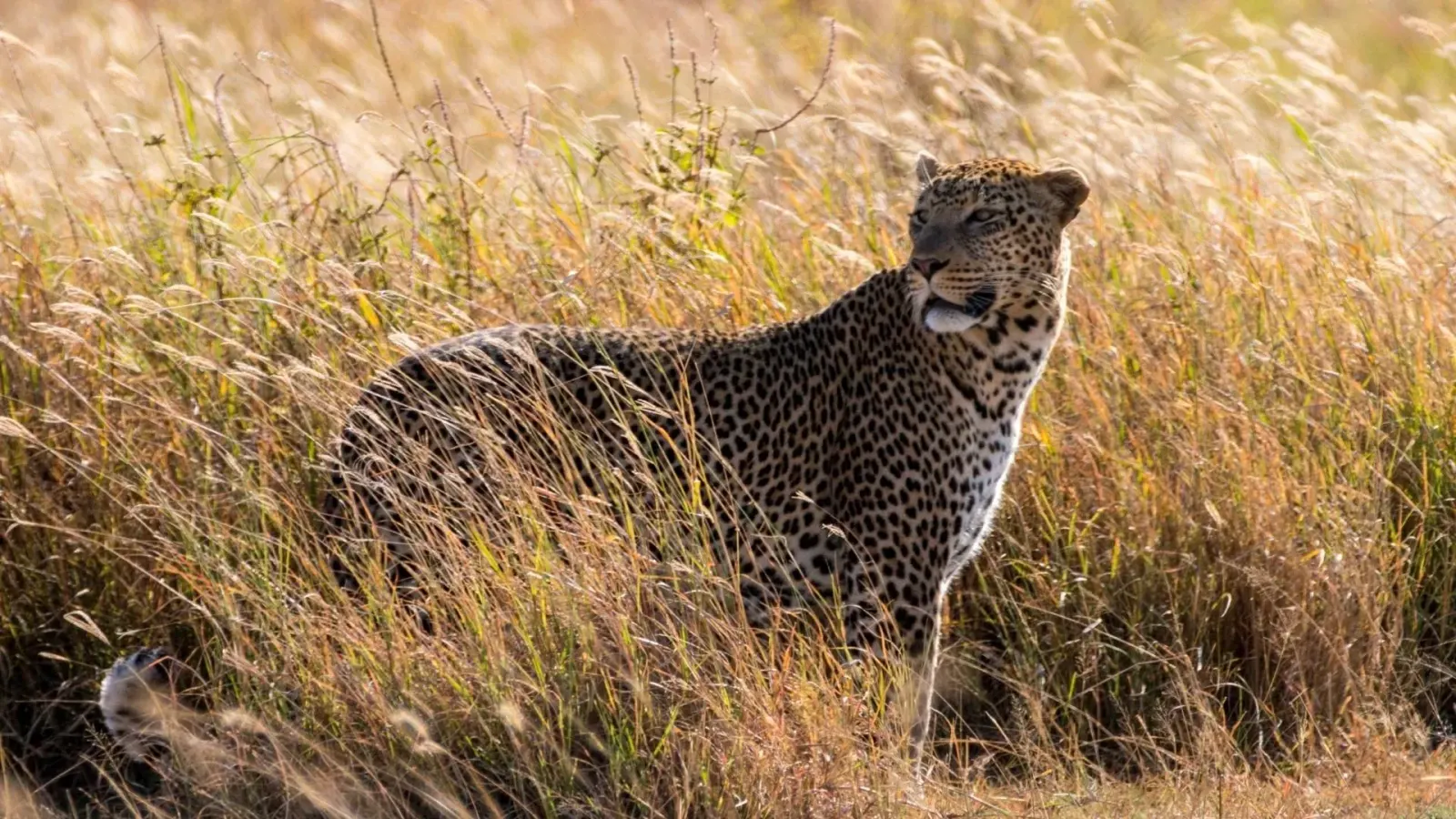
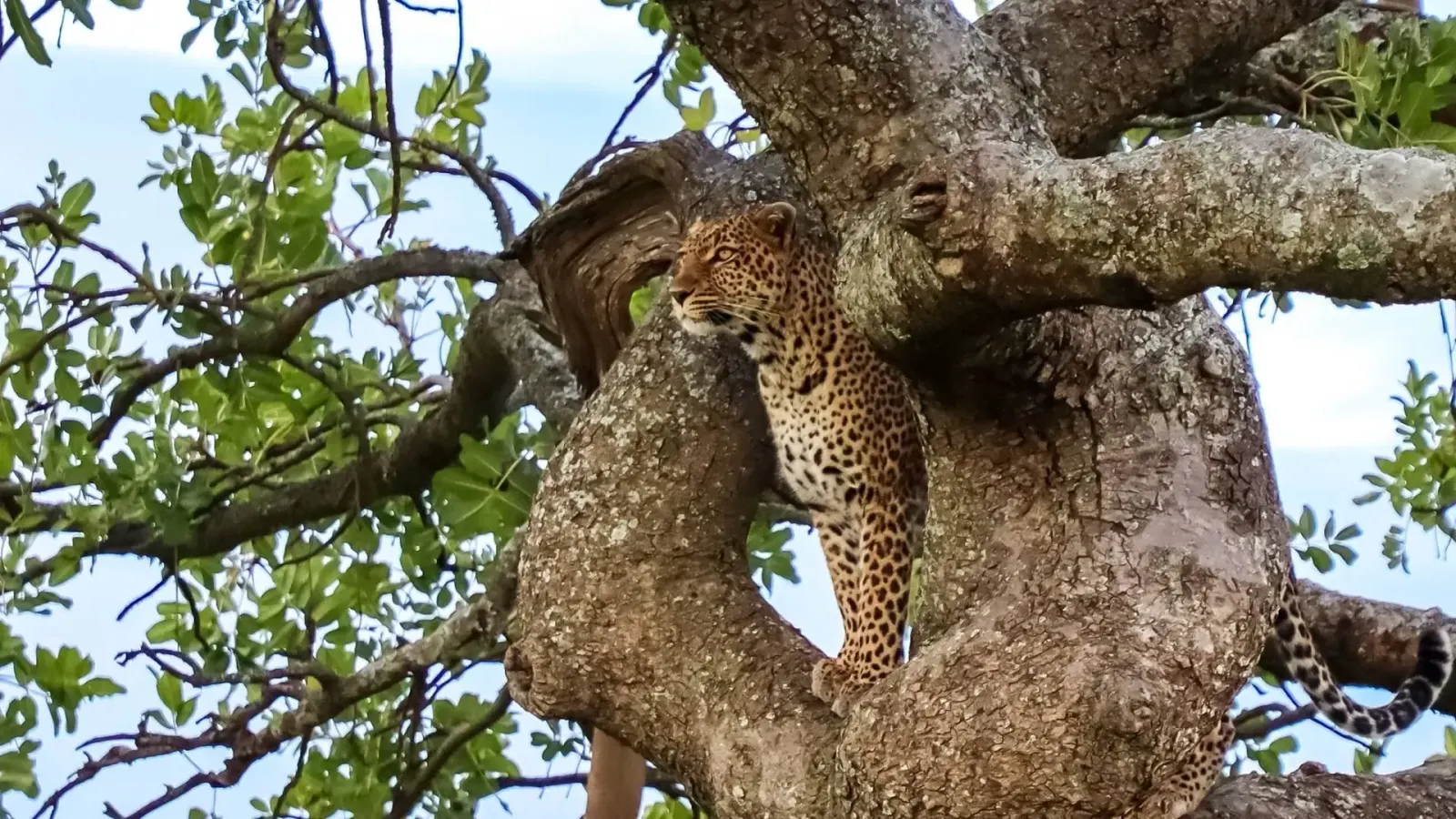
The sausage trees and yellow-barked acacias along the river are the best place in Tanzania to look for leopard resting on a branch through the heat of the day. Lion prides hold territories around the Simba, Maasai and Moru kopjes, and cheetah hunt the shorter grass to the east towards Gol. The Retina hippo pool, where the Seronera and Orangi rivers meet, often holds well over a hundred hippos at close range. A small, closely guarded population of black rhino lives around the Moru Kopjes.
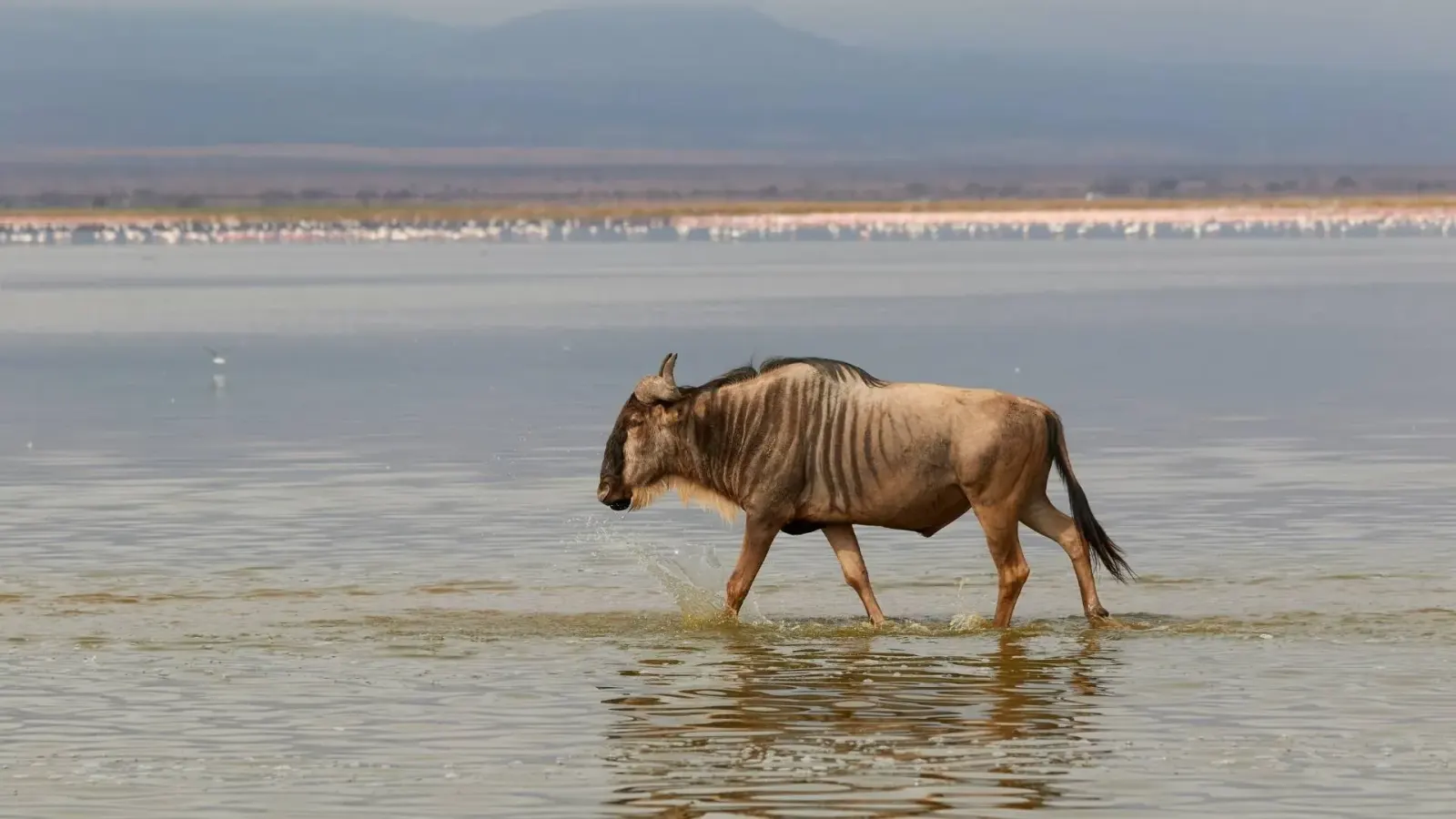
The herds usually pass through twice: heading north-west in April and May, and returning south in November and early December. Outside those weeks the resident game keeps drives productive.
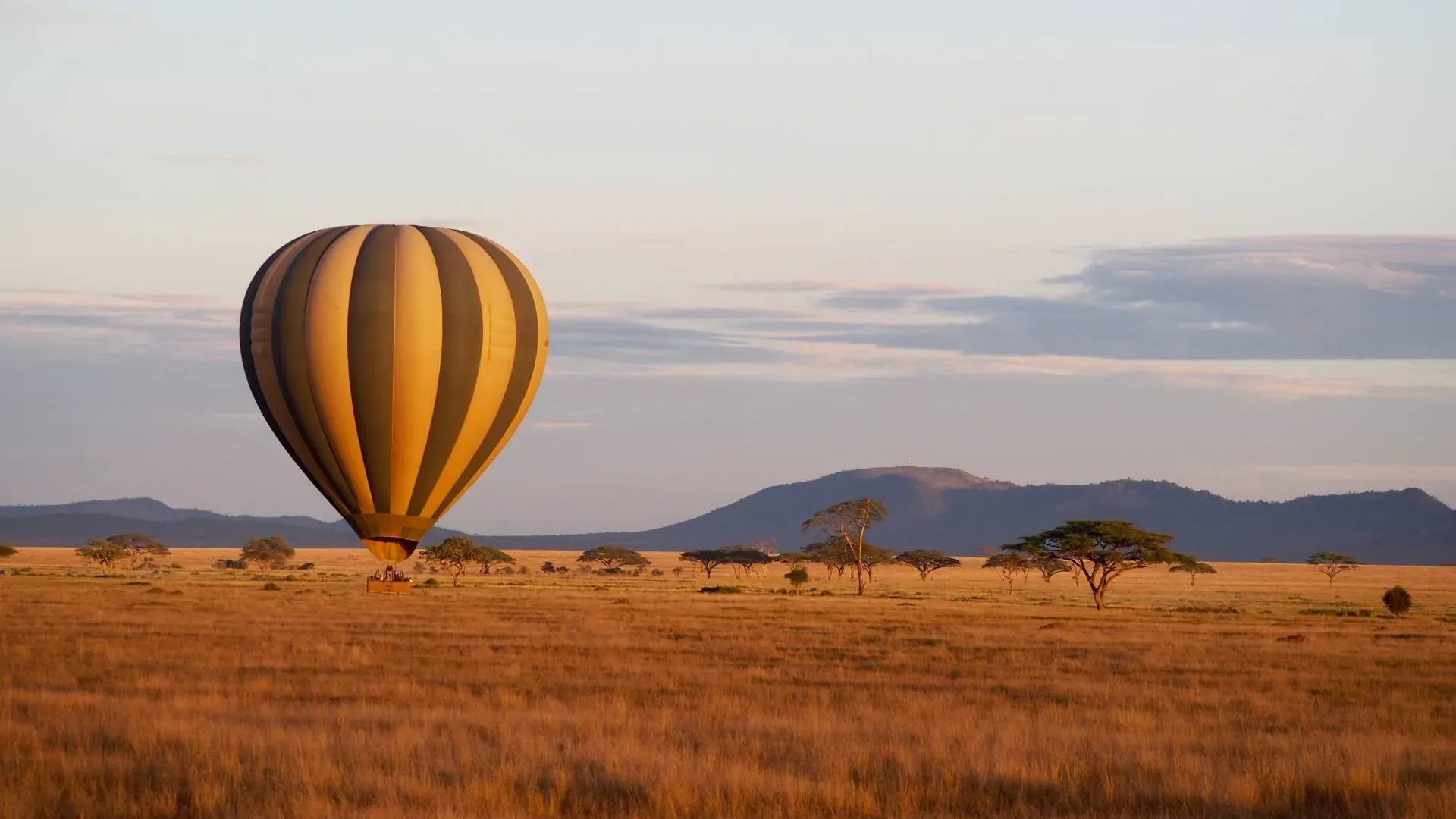
Seronera has the park's main airstrip, the visitor centre, and the launch sites for hot-air balloon flights at dawn. It also has the highest concentration of lodges and vehicles, so sightings near the river can be busy in July and August. Starting drives at 6 am and working the quieter loops towards Moru or Makoma Hill makes a real difference.
Central Serengeti is a year-round area. June to October is driest and easiest for spotting cats along the river. April, May and November are when the migration is most likely to move through. January to March is green, with fewer vehicles and good birding.
Central Serengeti and the other places we travel to nearby.
Central Serengeti
Sample itineraries. Every trip is private, so we change the days, lodges and pace to suit you.
Great Migration Arusha (2) · Moshi (Kilimanjaro) (2) · Tarangire National Park (2) · Lake Manyara National Park (2) · Lake Natron (2) · +3 more
 Luxury Safari
Arusha · Tarangire National Park (2) · Lake Manyara National Park · Ngorongoro Crater · Central Serengeti (2) · +2 more
 Luxury Safari
Arusha · Tarangire National Park (2) · Karatu · Ngorongoro Crater · Central Serengeti (3)
 Luxury Safari
Arusha · Lake Manyara National Park (2) · Karatu · Ngorongoro Crater · Central Serengeti (2)
 Great Migration
Arusha (3) · Tarangire National Park (2) · Karatu · Ngorongoro Crater · Central Serengeti (3) · +1 more
 Photography Safari
Arusha · Tarangire National Park (2) · Lake Manyara National Park · Lake Eyasi · Ngorongoro Crater (2) · +3 more
 Wildlife Safari
Arusha (3) · Tarangire National Park · Central Serengeti (3) · Ngorongoro Crater (2) · Zanzibar (4) · +1 more
 Wildlife Safari
Arusha · Lake Manyara National Park · Central Serengeti (2) · Ngorongoro Crater (2) · Moshi (Kilimanjaro)
 Honeymoon Safari
Arusha · Tarangire National Park · Central Serengeti (2) · Ngorongoro Crater (2) · Zanzibar (4) · +1 more
Our team in Arusha answers in English, French, German and Spanish.
It has permanent water, so resident lion, leopard, cheetah, elephant and hippo are present all year. It is the safest choice if your dates do not line up with the migration elsewhere in the park.
Only in passing. The herds typically move through in April and May on the way north-west and again in November on the way south. Exact timing depends on the rains.
The main launch site is near Seronera in the central Serengeti. Flights leave at dawn, last about an hour and end with breakfast in the bush. They need to be booked in advance.
Tell us your dates and what you would like to see. A specialist in Arusha sends a route and a clear proposal within 24 hours.
Plan this tripLicensed & trusted
We are a licensed Tanzanian tour operator, working with the national tourism bodies, parks and conservation authorities, and the organisations that look after Kilimanjaro’s porters.





💬 Connect to Live Support
Choose a department to speak with our team:
Our team is currently unavailable
Leave your details and we’ll get back to you shortly.
This session has timed out for your security. Start a new conversation to continue.
AI Safari Agent
Hello! 👋 Need help planning your safari?