
 Mountain Trekking Premium
Explore Destination · Tanzania
Mount Kilimanjaro National Park
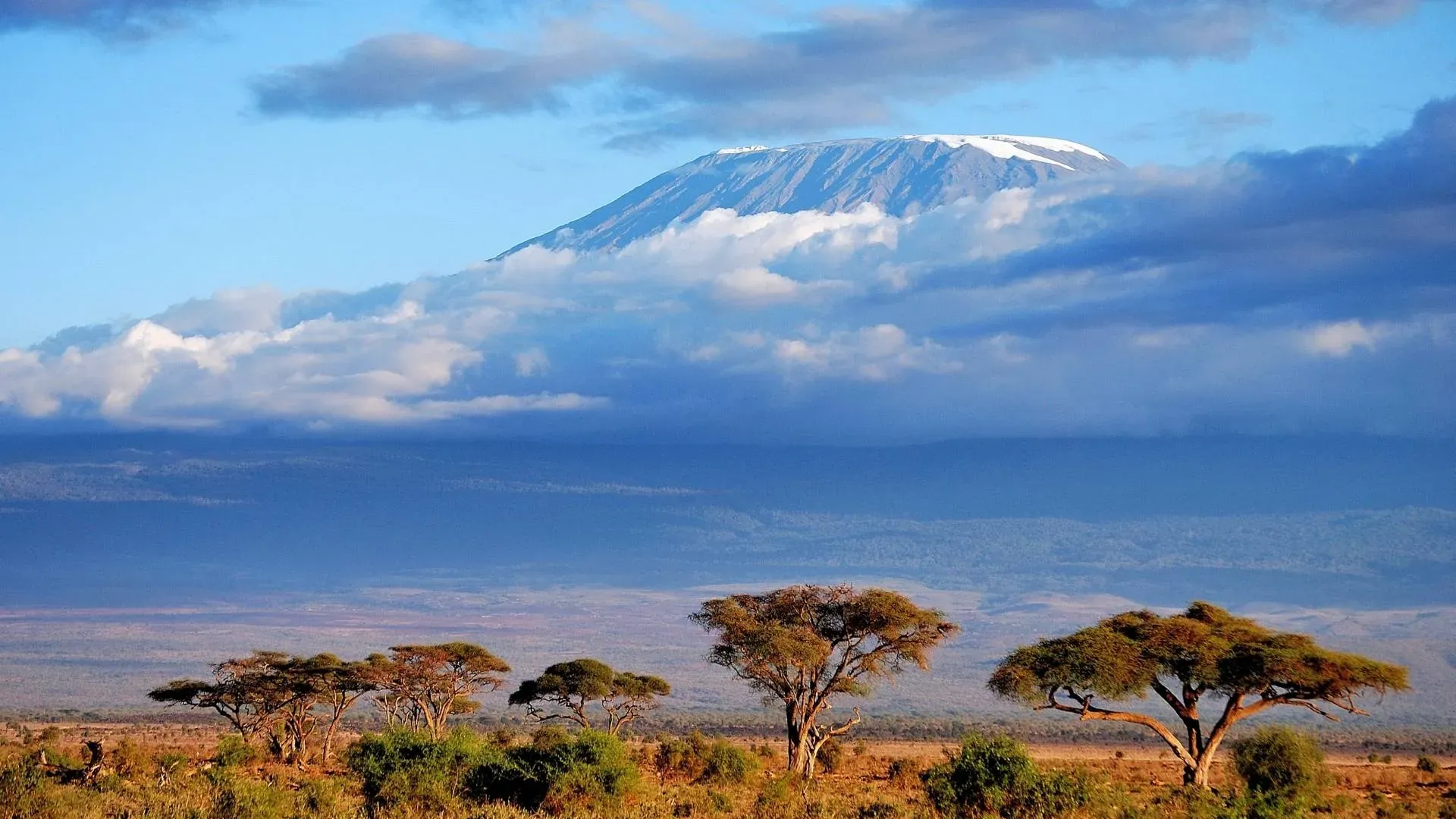
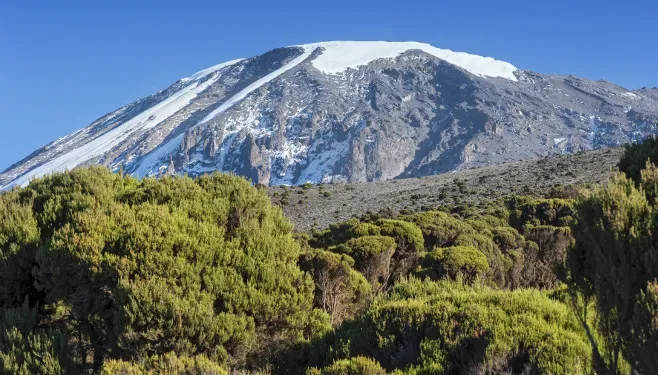
Mount Kilimanjaro safari: Mount Kilimanjaro is the highest mountain in Africa and the tallest free-standing mountain in the world.
- CountryTanzania
- Best timeThe two dry seasons are best: January to mid-March, which is colder wi...
- Trips1 sample trip
- Destinations nearbyMoshi (Kilimanjaro), Arusha National Park
Mount Kilimanjaro safari: what to know
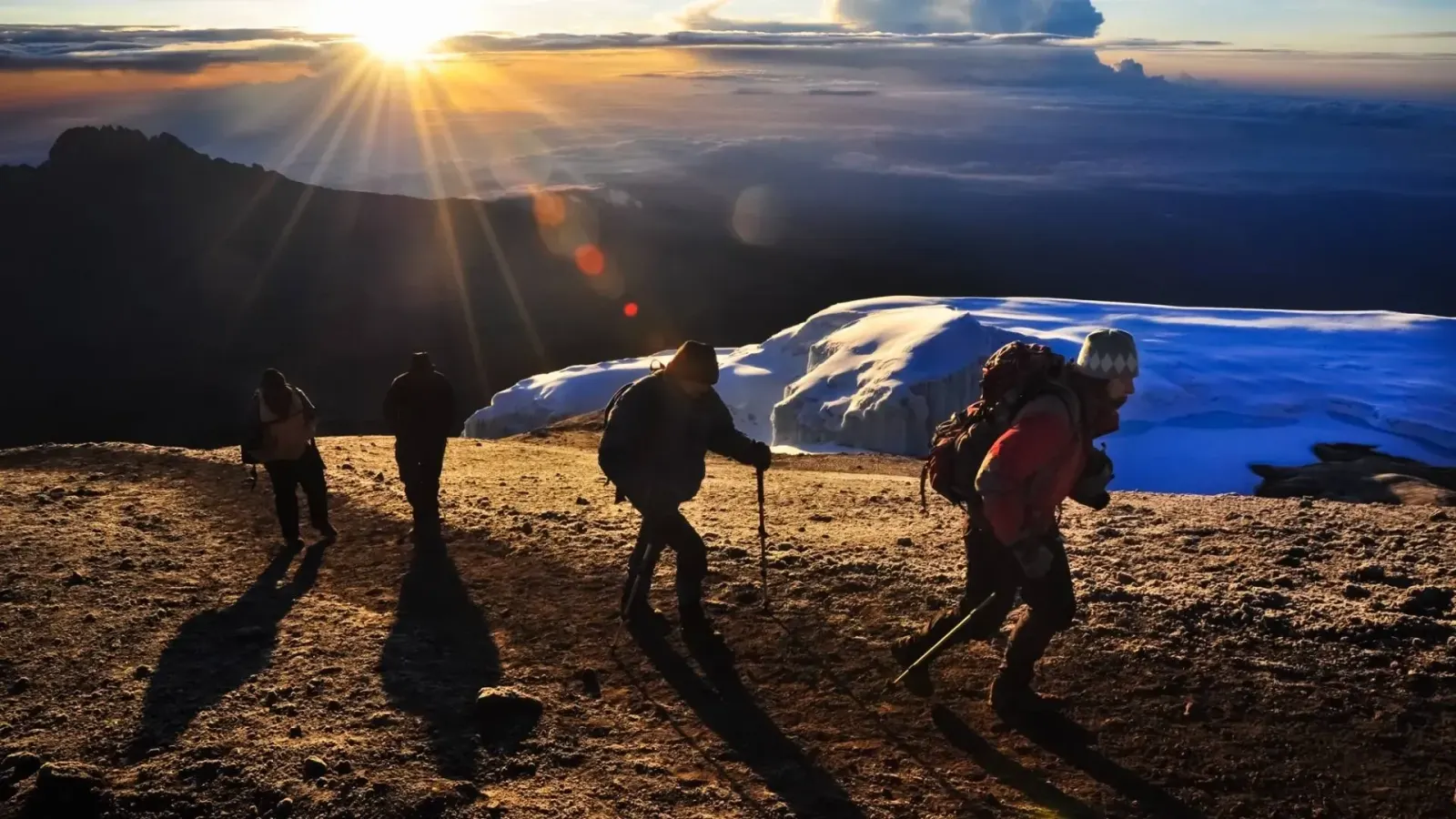
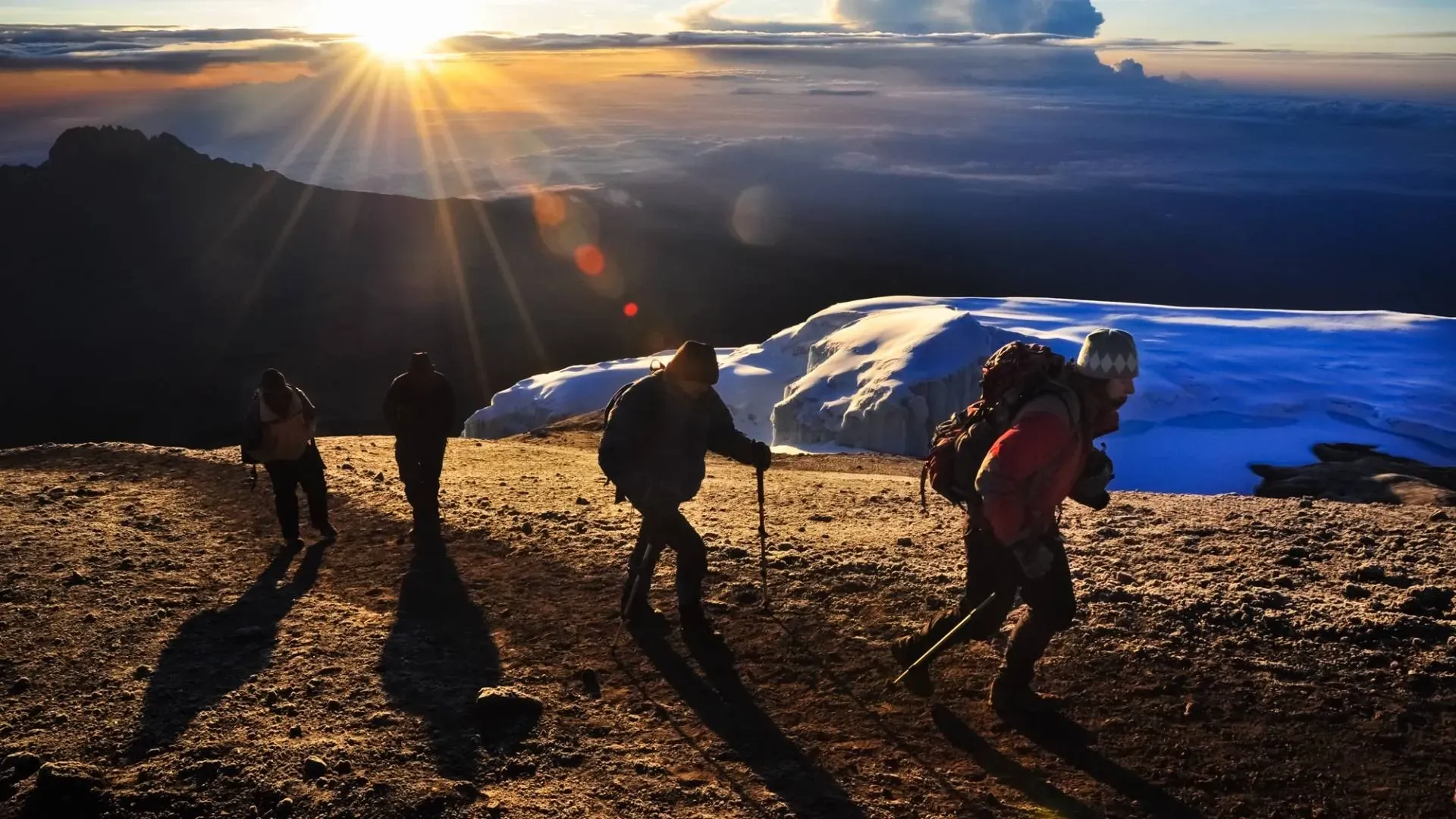
Mount Kilimanjaro is the highest mountain in Africa and the tallest free-standing mountain in the world. Uhuru Peak, on the rim of the Kibo crater, is 5,895 m above sea level. No ropes or technical skills are needed to reach it, which is why it attracts tens of thousands of trekkers a year, but the altitude is serious and a good share of people who start do not reach the top.
What to know before you go
-
Five climate zones in a week
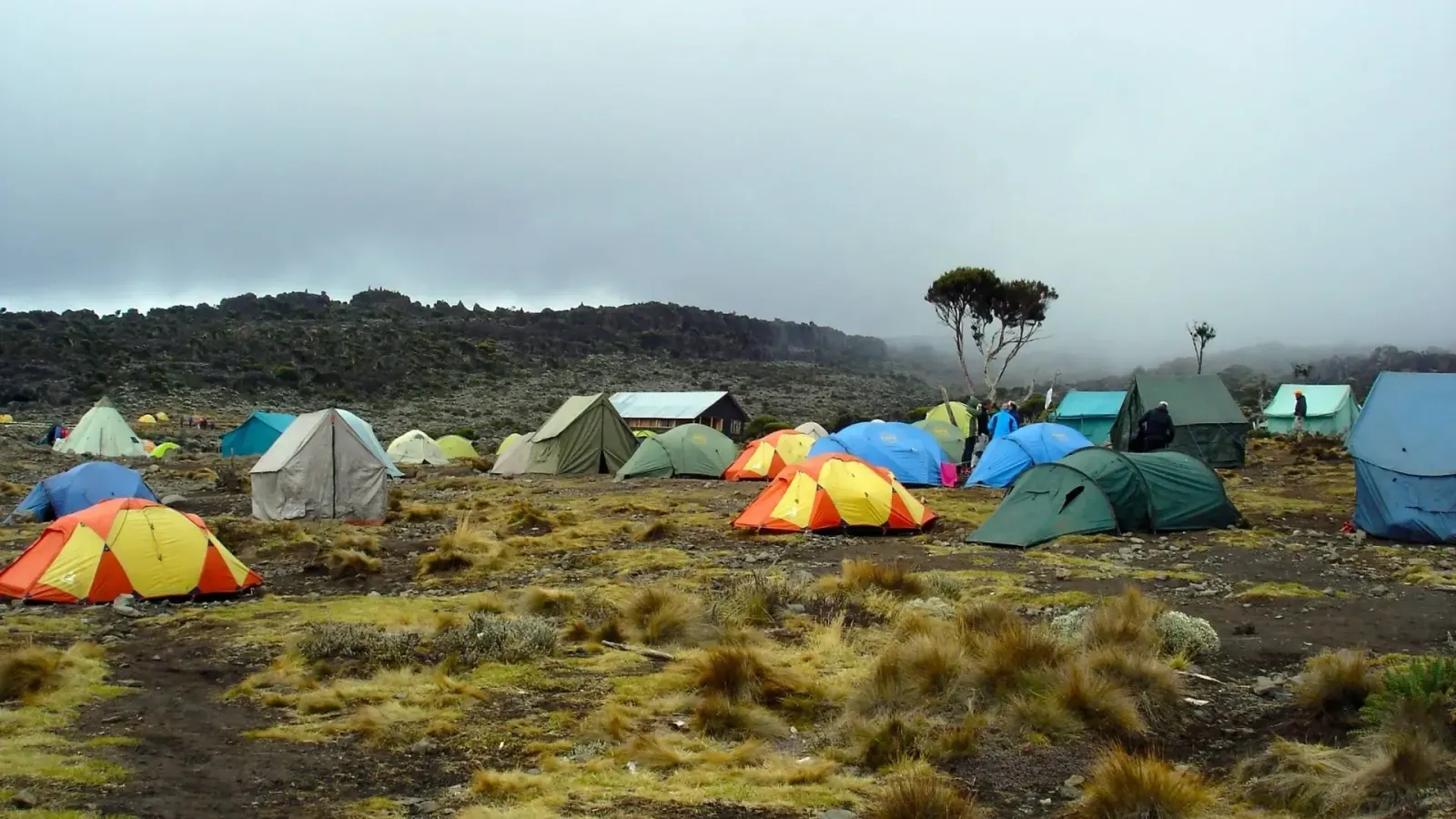
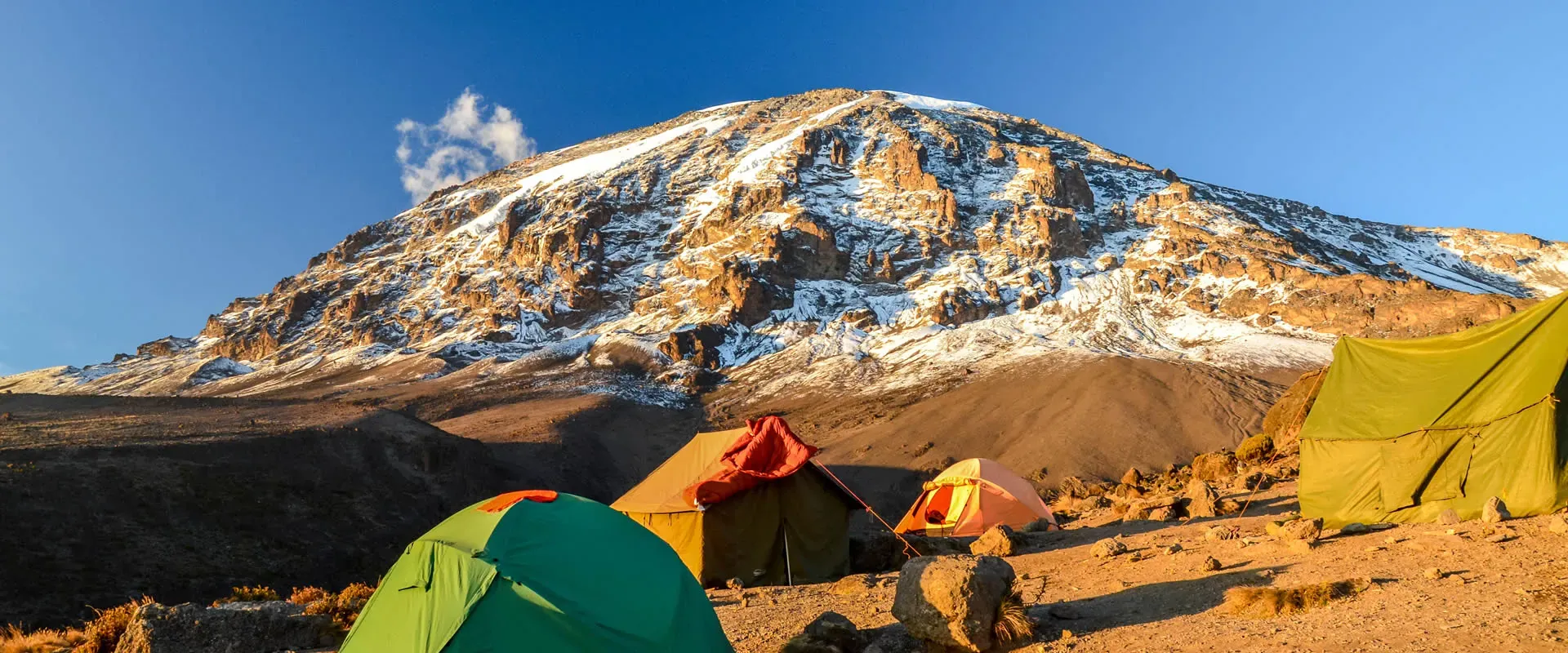
A climb passes through farmland, montane rainforest with colobus monkeys, heath and moorland with giant groundsels and lobelias, a high alpine desert, and finally the arctic zone of scree and ice. Temperatures run from about 25°C at the gate to well below freezing on summit night.
-
Choosing a route
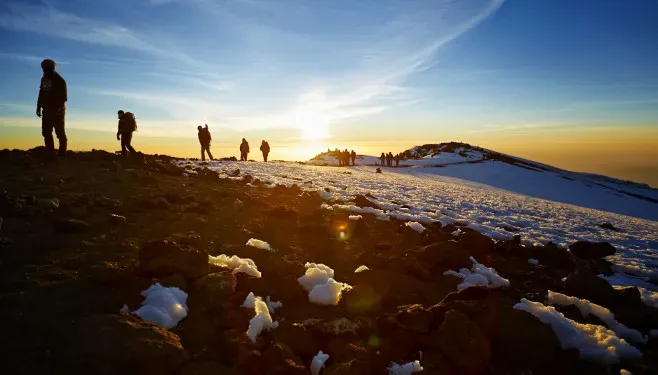
- Machame (6–7 days): the most popular; scenic, with a good climb-high, sleep-low profile.
- Lemosho (7–8 days): approaches from the west across the Shira Plateau; quieter early on and very good for acclimatisation.
- Marangu (5–6 days): the only route with hut accommodation; gentle gradient but a short schedule.
- Rongai (6–7 days): from the drier northern side; a sound choice in wetter months.
- Northern Circuit (8–9 days): the longest route and the best for acclimatisation.
- Umbwe (6 days): steep and direct; for experienced, already acclimatised trekkers.
-
What decides success
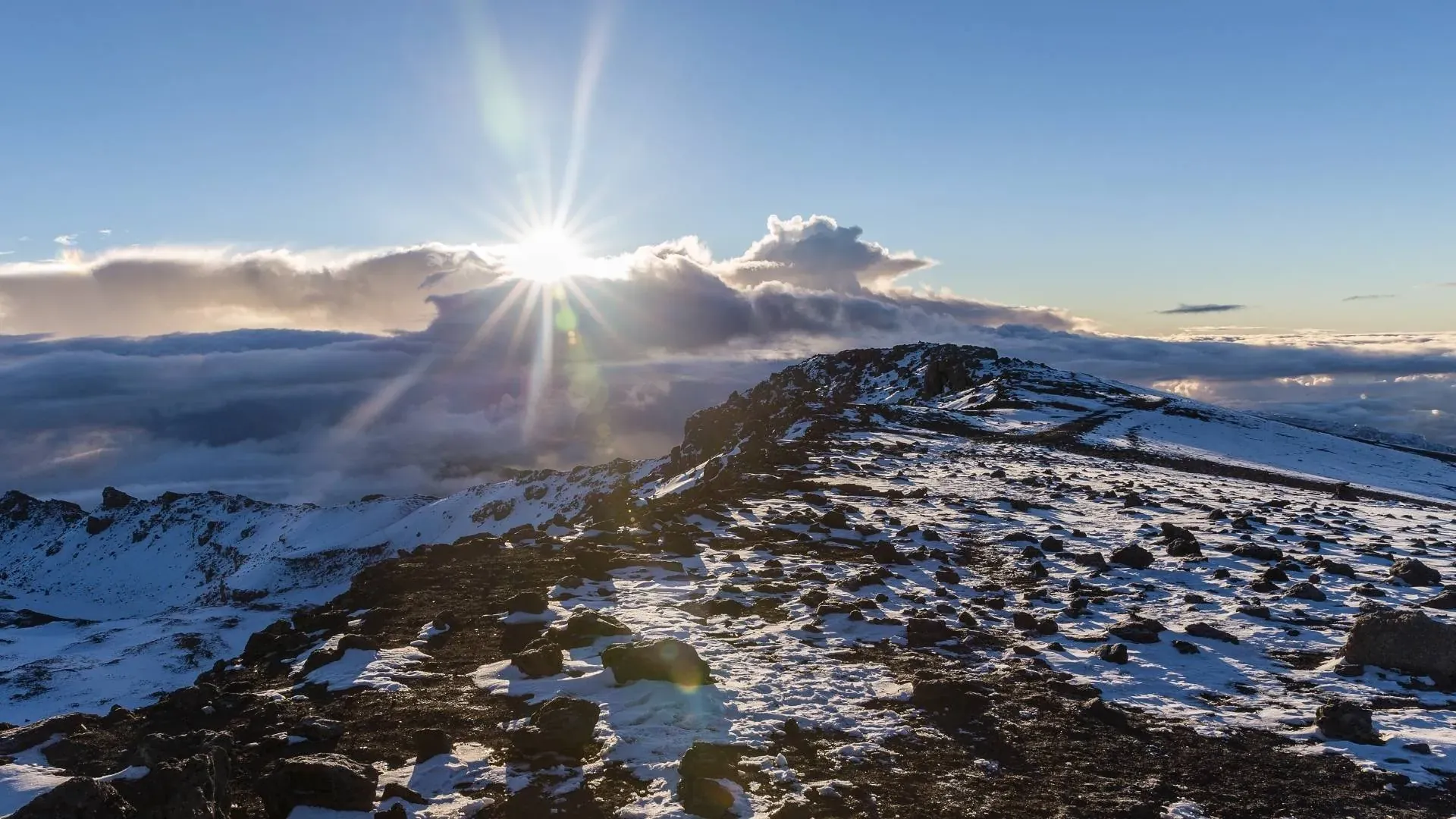
Time. Itineraries of seven days or more have clearly higher summit rates than five-day climbs because the body has longer to adjust. Walking slowly, drinking three to four litres a day and telling your guide about symptoms early matter more than fitness.
When to visit Mount Kilimanjaro National Park
The two dry seasons are best: January to mid-March, which is colder with a chance of snow on the summit and fewer people, and June to October, which is drier and busier. April, May and November are the wettest months; the mountain is still open, and Rongai is the driest route then.
Where It Is
Mount Kilimanjaro National Park and the other places we travel to nearby.
Mount Kilimanjaro National Park
Trips that include Mount Kilimanjaro National Park
Sample itineraries. Every trip is private, so we change the days, lodges and pace to suit you.
Mountain Trekking Premium Plan Your Safari to Mount Kilimanjaro National Park
Our team in Arusha answers in English, French, German and Spanish.
Questions about Mount Kilimanjaro National Park
How long does it take to climb Kilimanjaro?
Between five and nine days depending on the route. Seven or eight days is the sensible choice for most people because the extra time for acclimatisation greatly improves the chance of reaching the summit.
Do you need climbing experience for Kilimanjaro?
No technical experience is needed; it is a high-altitude trek. You do need good general fitness, the ability to walk five to seven hours a day for several days, and a 12- to 15-hour summit day.
Which Kilimanjaro route is best for beginners?
The eight-day Lemosho or the seven-day Machame. Both gain height gradually and have good acclimatisation profiles. Marangu looks easier on paper but its shorter schedule gives the body less time to adapt.
How cold is the summit of Kilimanjaro?
Summit night temperatures are typically between -7°C and -20°C, and wind makes it feel colder. A four-season sleeping bag, insulated jacket, warm gloves and several layers are essential.
Shall we plan your trip?
Tell us your dates and what you would like to see. A specialist in Arusha sends a route and a clear proposal within 24 hours.
Plan this trip