
Is Tanzania safe? It is the question we hear most often, and the honest answer is yes: Tanzania is one of the most stable and welcoming countries in Africa, and hundreds of thousands of visitors travel here every year without problems. Like anywhere, it pays to know a few local habits. Here is what we tell our own guests, from the team that lives in Arusha.
Is Tanzania safe on safari?
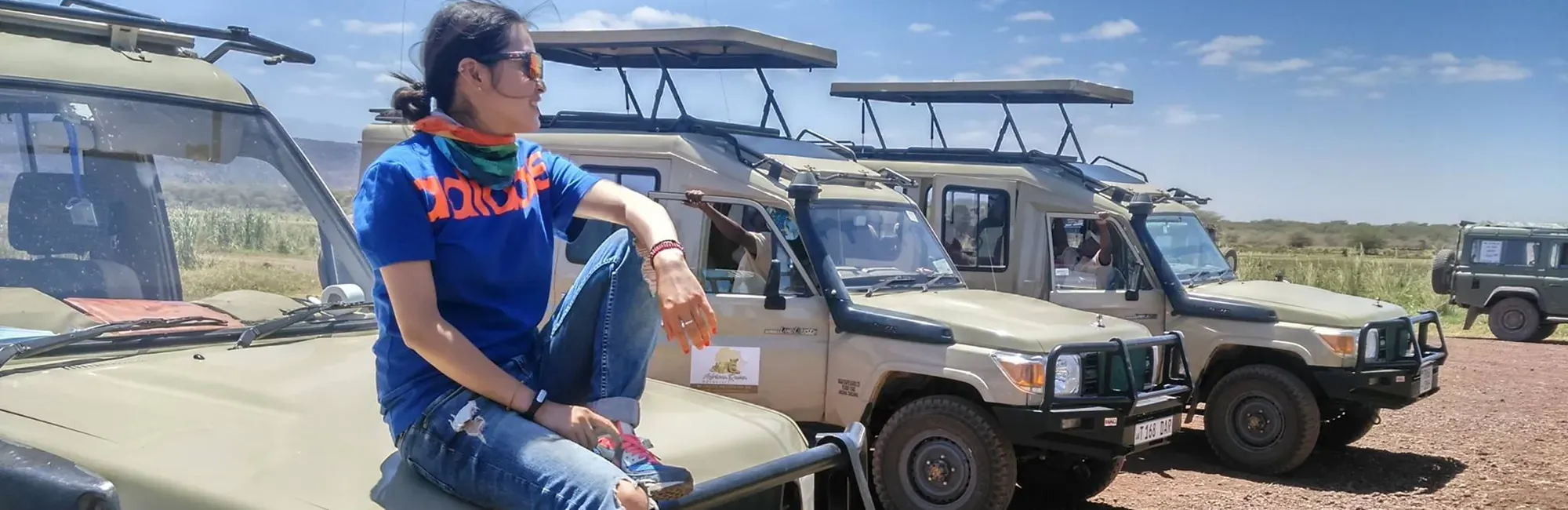
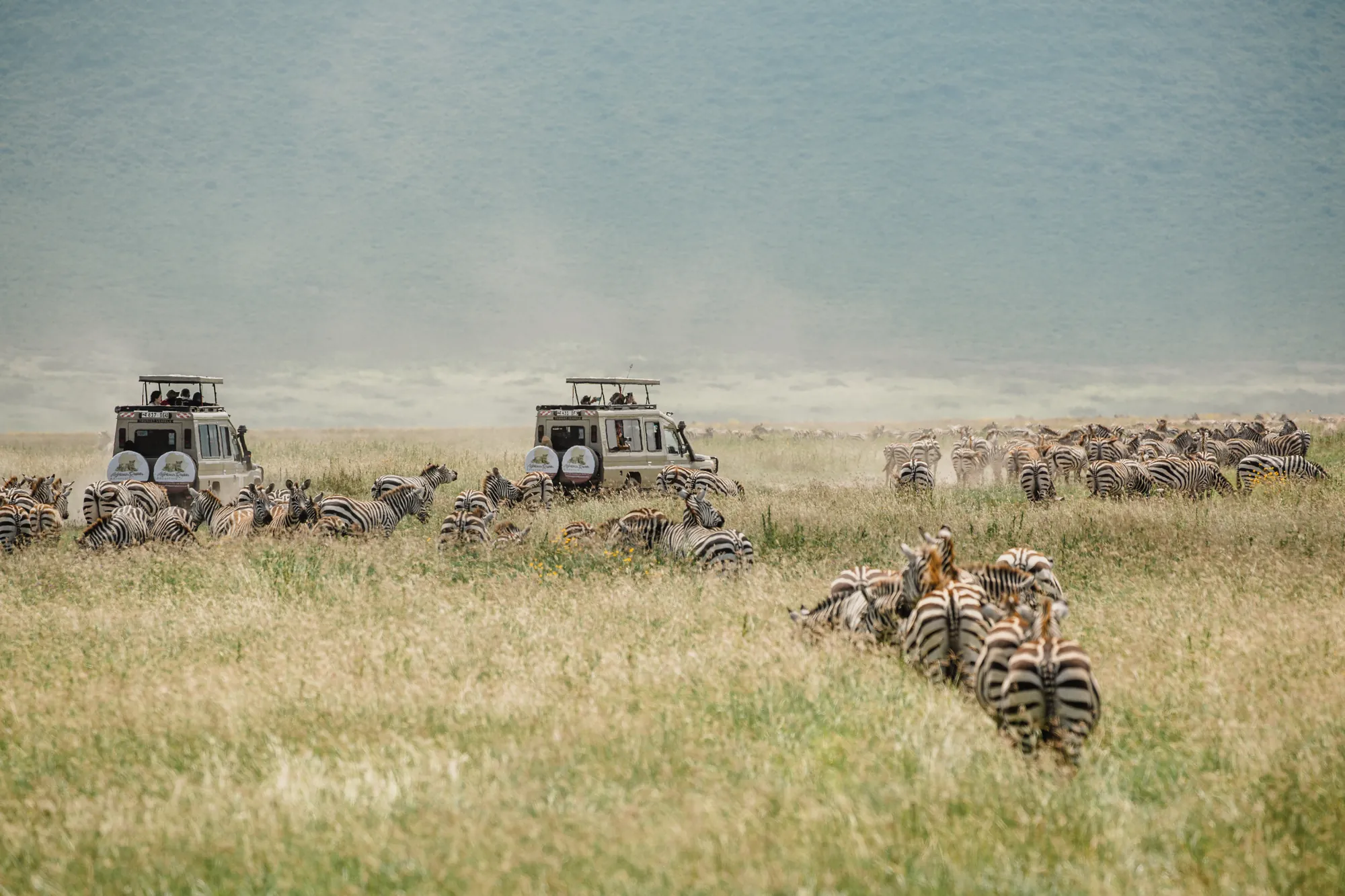
On a guided safari, the main risks are small and easy to manage. You travel with a licensed guide who knows the parks, and you stay in the vehicle unless the guide says otherwise. Wild animals are not a danger when you follow simple rules: keep your voice low, never feed animals, and do not walk around camp alone at night. In unfenced camps, staff walk you to your tent after dark.
If you want to walk in the bush, a walking safari always goes with an armed ranger. On Mount Meru, a ranger accompanies every group for the same reason.
Towns and cities
As in most countries, petty crime is the main issue in towns, especially in Dar es Salaam and busy parts of Arusha. Keep phones and cameras out of sight in crowded places, carry only the cash you need, and use a taxi arranged by your hotel or by us after dark rather than walking. Our drivers meet every guest at the airport, so you never need to look for transport on arrival.

Health and food
Most health risks can be prevented. Talk to a travel clinic about vaccinations and malaria tablets at least six weeks before you go, use insect repellent in the evening, and sleep under the nets provided in camps. Drink bottled or filtered water; lodges and camps provide it. Food in the lodges and camps we use is prepared with care, and our cooks on the mountain follow strict hygiene rules. Our Tanzania travel tips list the details.
Road travel
Road travel is the biggest real risk in most of East Africa. That is why our drivers are experienced professionals, our 4x4 vehicles are serviced regularly, and we avoid driving after dark between towns. On longer trips, a short flight between parks can replace a long drive. Our guide to the cost of a Tanzania safari explains when flying is worth it.
Zanzibar and the coast
Zanzibar is relaxed and friendly. It is mostly Muslim, so cover shoulders and knees in Stone Town and villages, and keep swimwear for the beach and your hotel. Use registered guides for tours rather than offers on the beach. Our Zanzibar beach guide covers each coast.

Women and solo travellers
Many women travel with us alone, and they generally find Tanzania welcoming. Modest clothing in towns avoids unwanted attention, and on safari you are with your guide throughout. If you prefer company, a solo traveller trip or a small group keeps costs down too.
Check official advice before you travel
Situations can change, so always read your government's travel advice before booking, for example the UK Foreign Office advice for Tanzania. Same-sex relationships are illegal under Tanzanian law, so LGBTQ+ travellers should be discreet in public; we are happy to talk this through in confidence.
Above all, travelling with a local team means someone is always a phone call away. If you would like to talk about your plans, browse our safari tours or send a message through the contact page.