 Cultural Immersion Popular
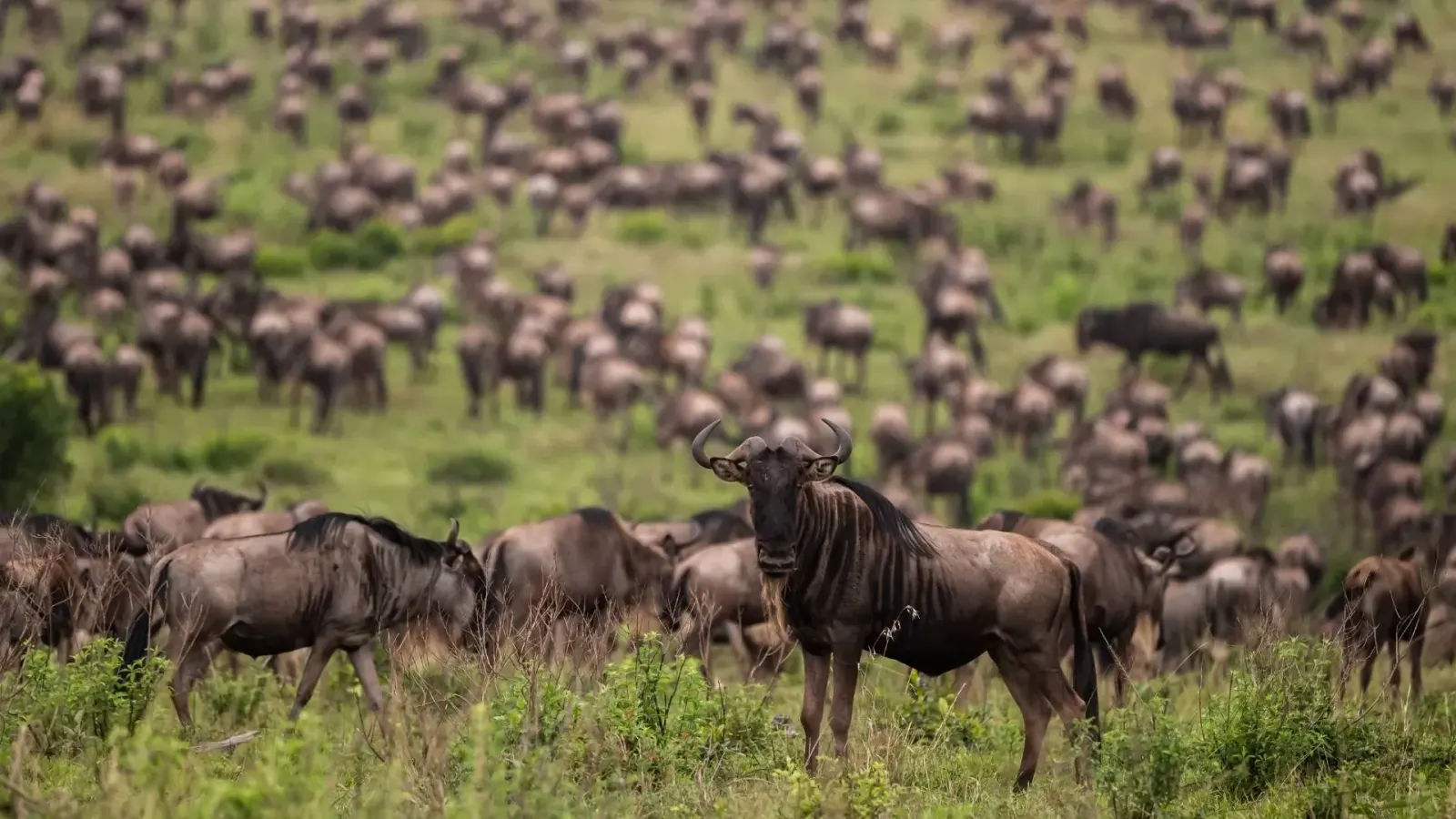
11-Day Tanzania Safari: Migration, Ngorongoro & Local Culture
Arusha (2) · Tarangire National Park · Ngorongoro Crater (2) · Central Serengeti (3) · Lake Manyara National Park (2)
 Read
Tanzania Visa Guide 2026: e-Visa, Costs and Entry Rules
Travel style
Tanzania cultural tours: Tanzania has more than 120 ethnic groups, and meeting some of the people who live around the parks adds a great deal to a safari.
Tanzania has more than 120 ethnic groups, and meeting some of the people who live around the parks adds a great deal to a safari.
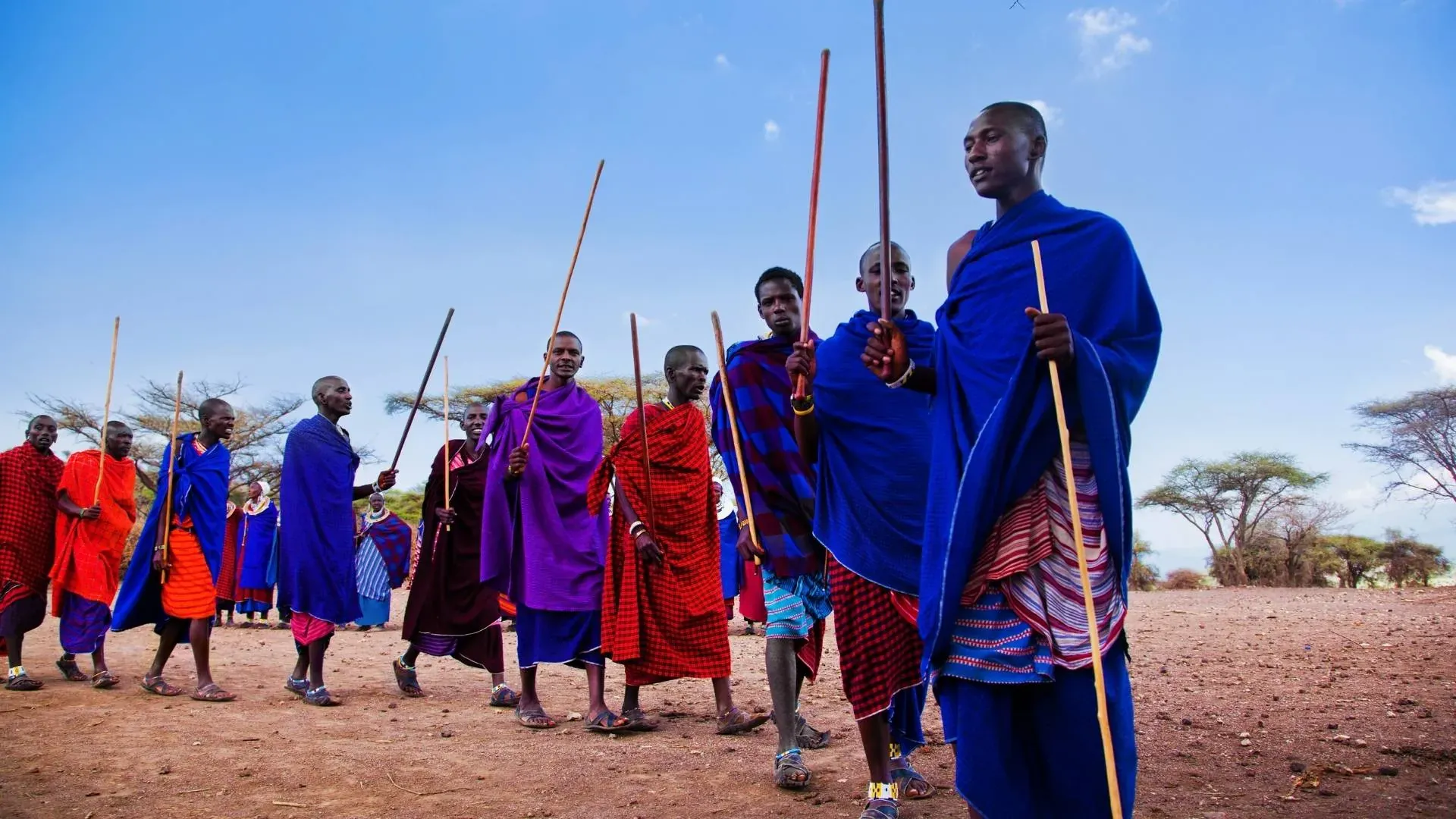
The Maasai are semi-nomadic cattle herders across the north. A village visit shows how a homestead is built and how the herds are managed. Near Lake Eyasi, the Hadzabe still hunt with bows and gather wild food, and visitors can join a morning hunt, while their Datoga neighbours forge arrowheads and jewellery from scrap metal. On the slopes of Kilimanjaro, Chagga families grow coffee and bananas, and you can roast and brew your own cup. In Mto wa Mbu, near Lake Manyara, a walk or cycle through the farms ends with a home-cooked lunch. On Zanzibar, Stone Town and the spice farms tell the story of Swahili trade.
We arrange these visits through community-run programmes with local guides, so that fees reach the people you meet. Go as a guest, ask before taking photographs, and expect an ordinary day, not a show.
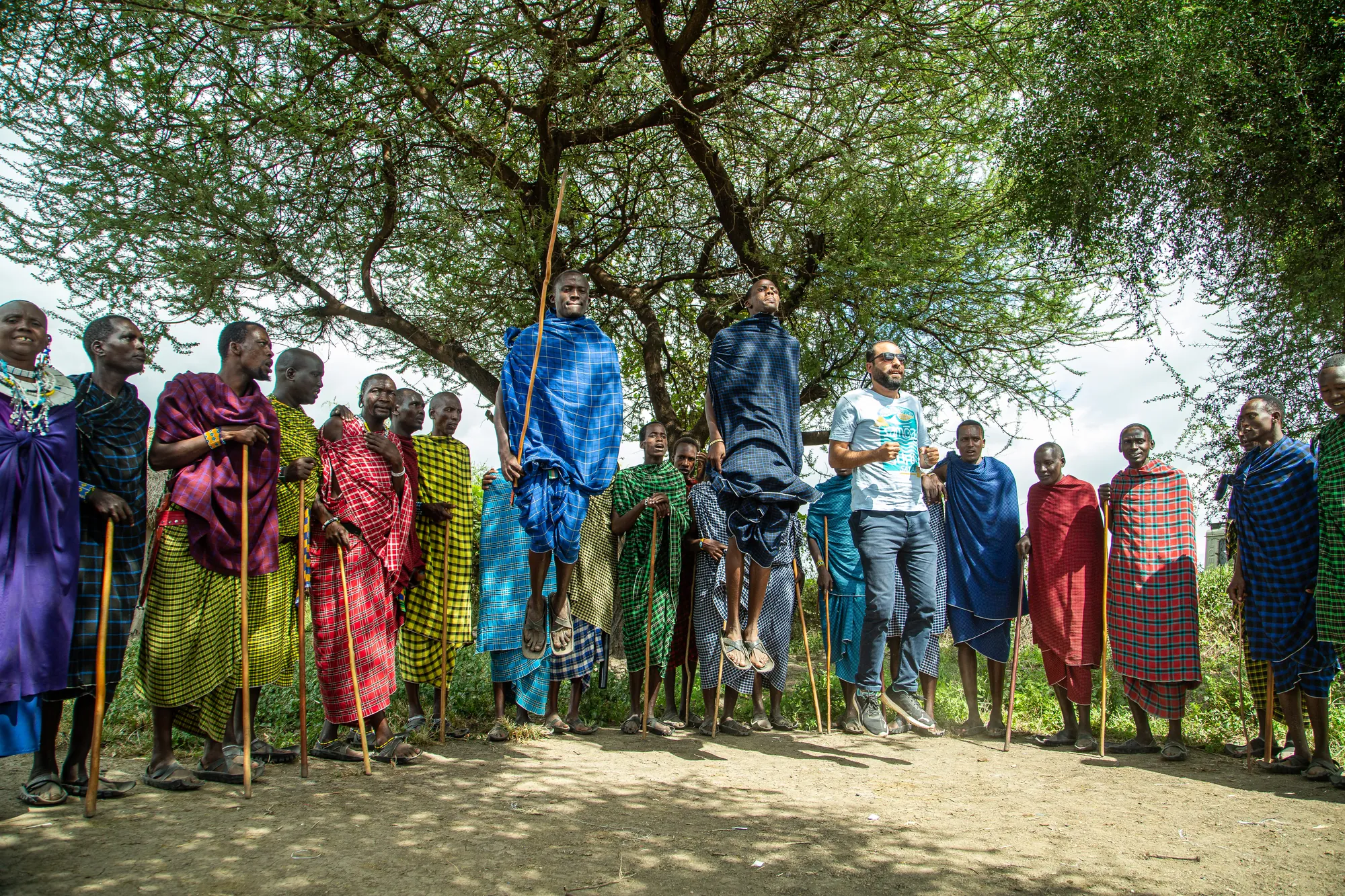
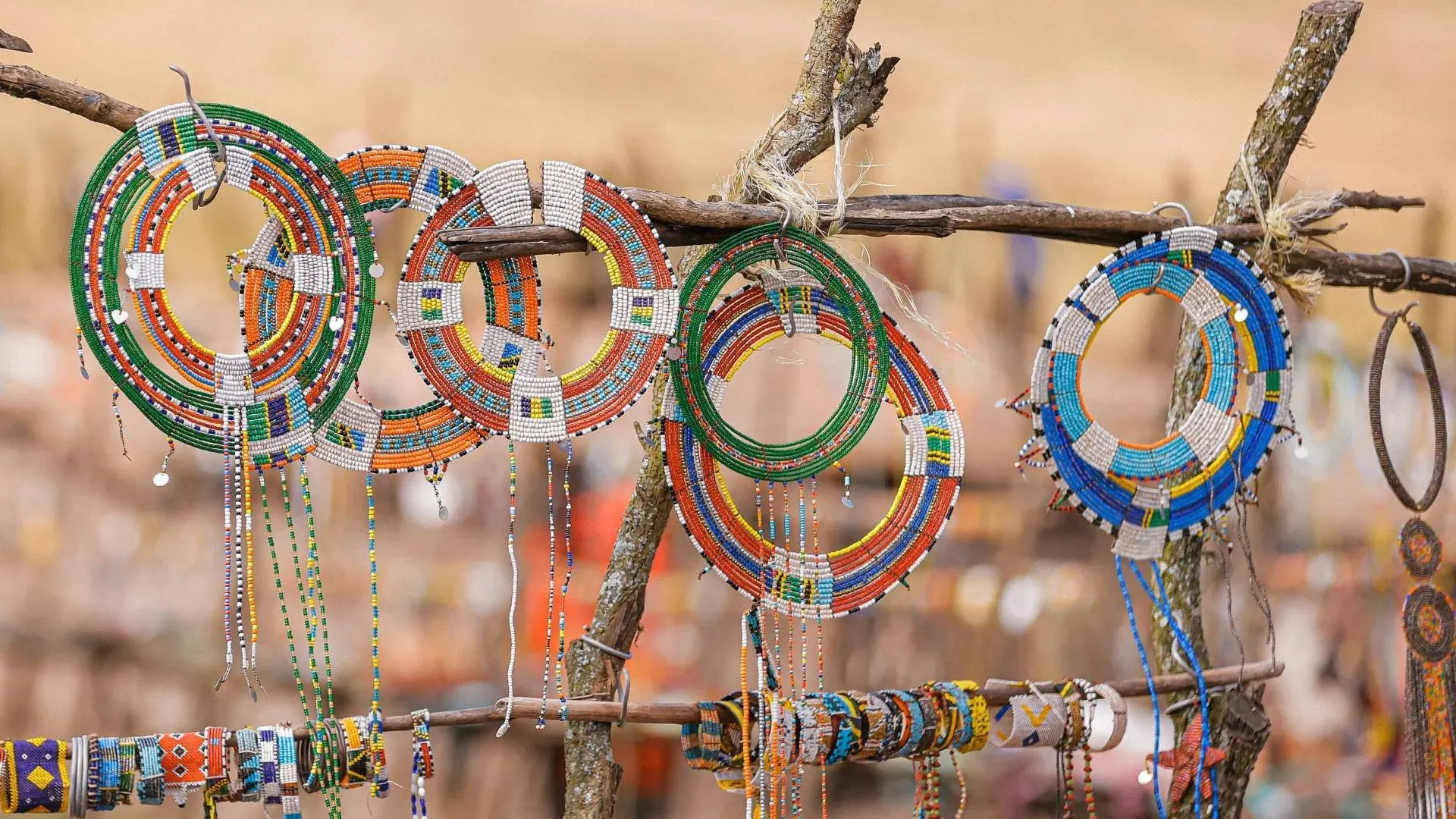
Cultural visits are led by local guides from each community. You might walk with Maasai herders, join a Hadzabe hunting walk at dawn or spend a morning on a coffee farm on the slopes of Kilimanjaro. Visits are small and respectful, and part of the fee goes directly to the community.
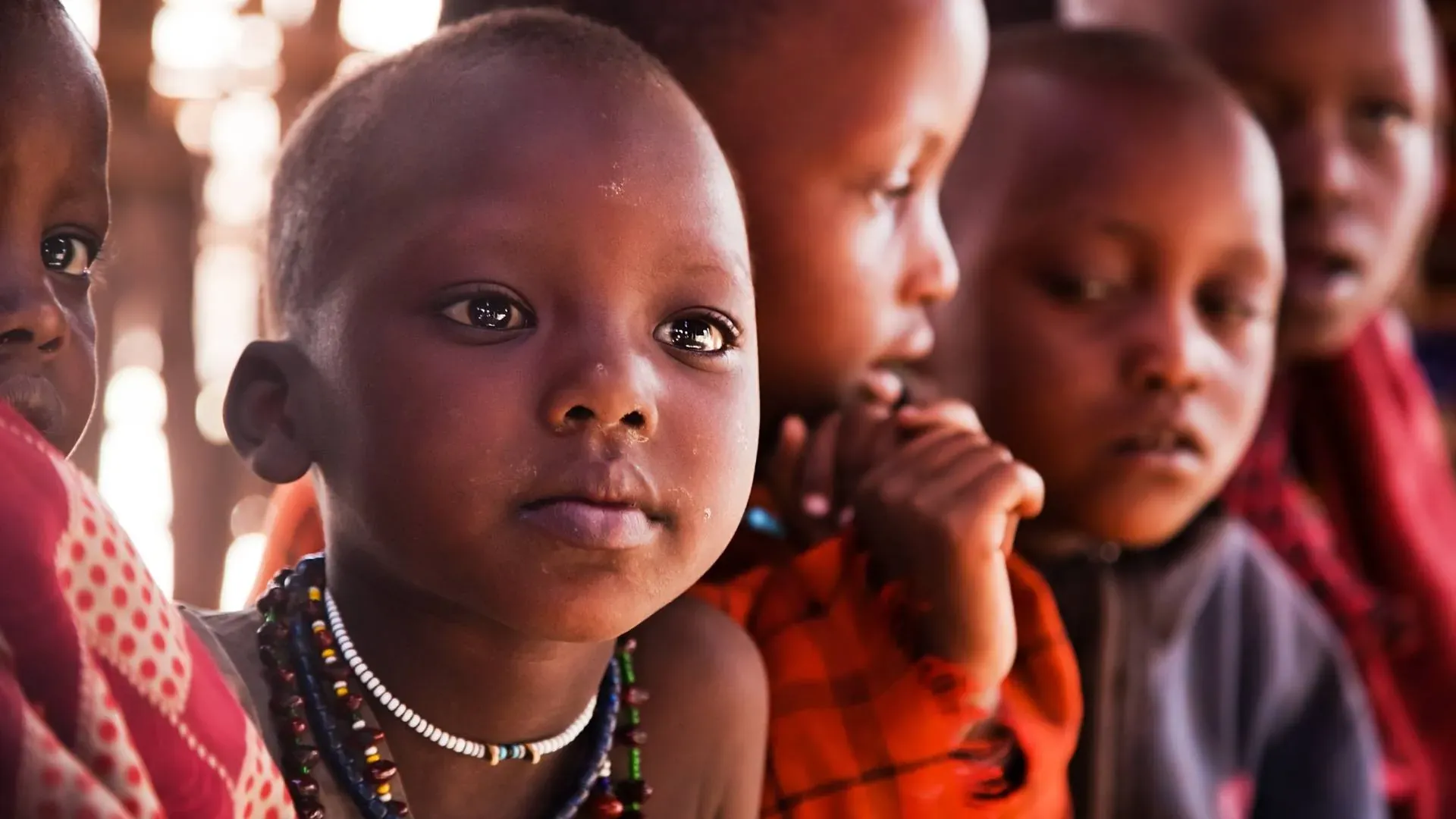
Lake Eyasi is home to the Hadzabe and Datoga; the Ngorongoro highlands and Lake Natron to Maasai communities; and the Usambara Mountains to farming villages with walking trails. Cultural visits work all year.
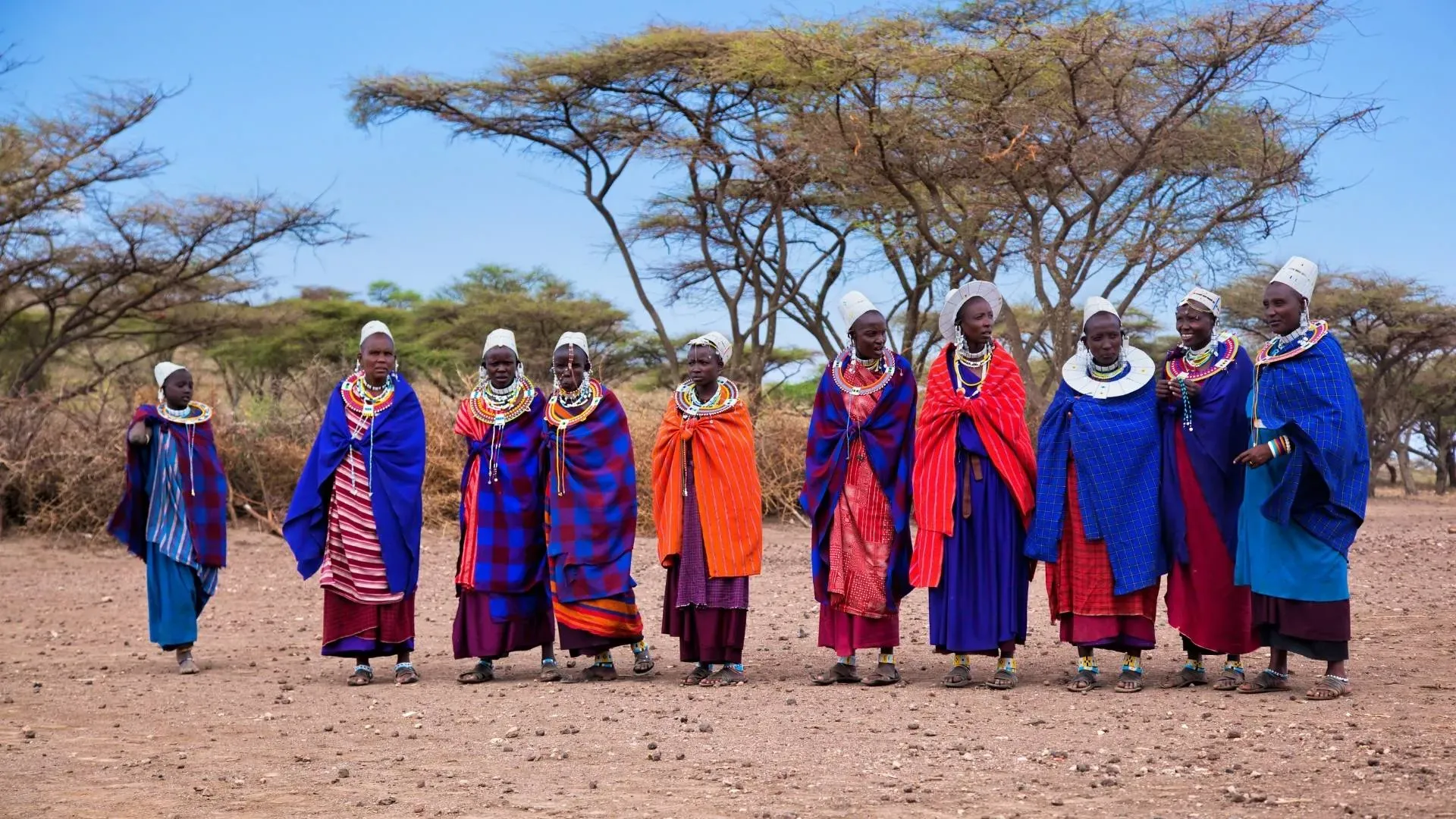
Curious travellers who want to understand the country as well as its wildlife. Add a day or two to any safari, and always ask before taking photographs.
Sample itineraries. Every trip is private, so we change the days, lodges and pace to suit you.
Cultural Immersion Popular Arusha (2) · Tarangire National Park · Ngorongoro Crater (2) · Central Serengeti (3) · Lake Manyara National Park (2)
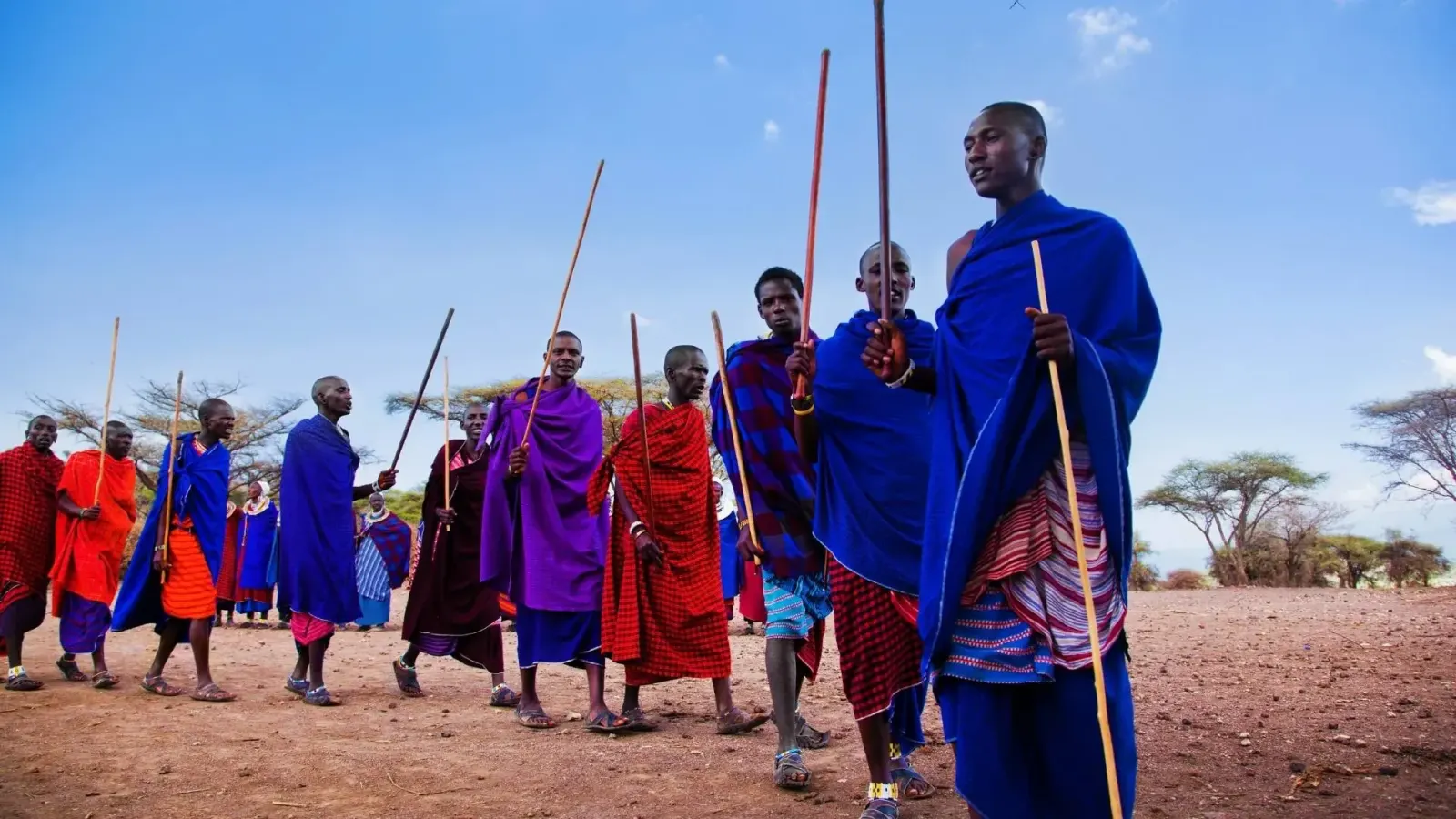 Cultural Immersion
Arusha · Tarangire National Park · Lake Manyara National Park · Ngorongoro Crater · Lake Eyasi
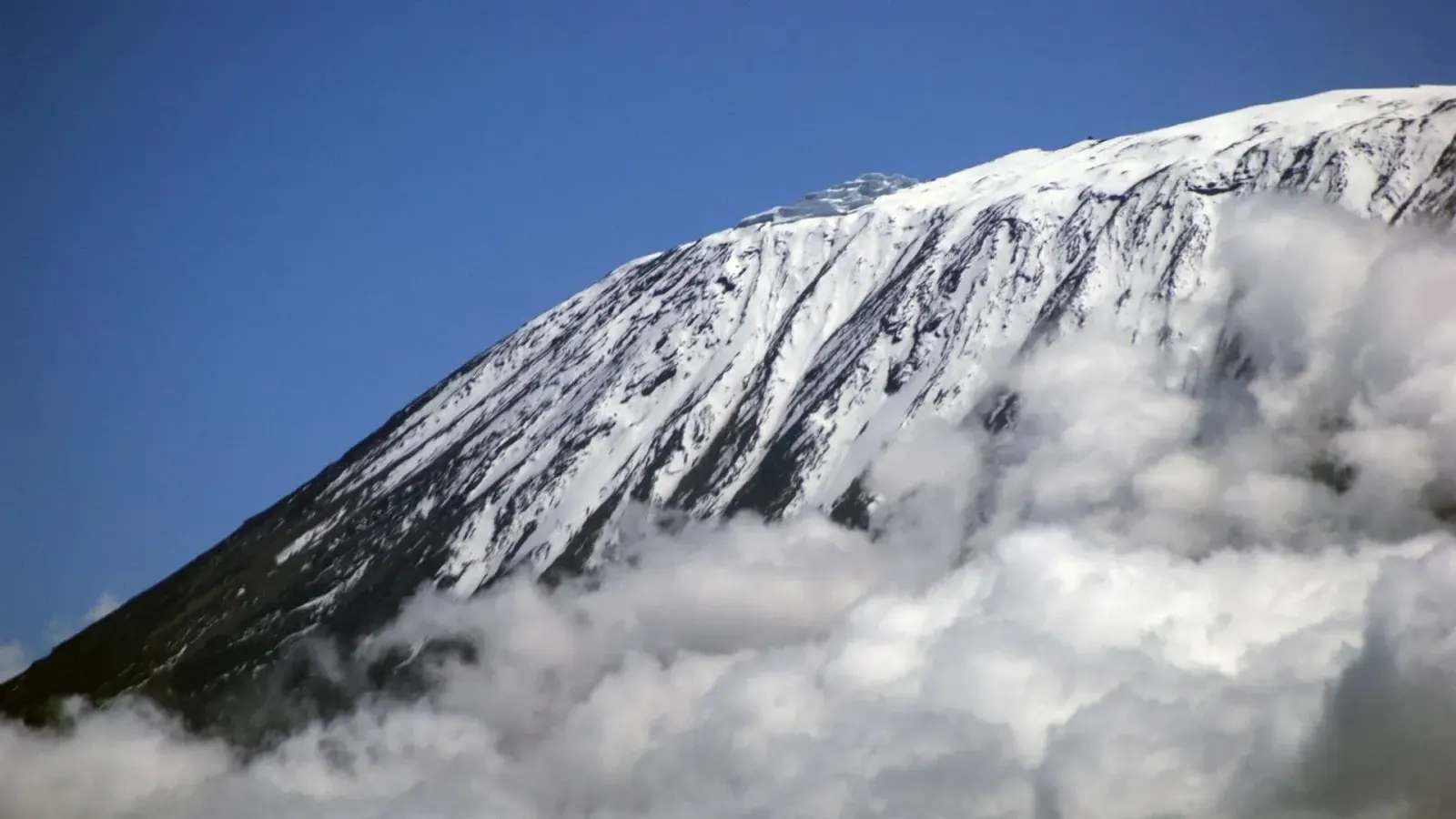 Cultural Immersion
Our team in Arusha answers in English, French, German and Spanish.
Our Cultural Immersion trips run from 1 to 11 days, and most guests choose about 6. Fewer days mean more time on the road; more days let you slow down and stay longer where the animals are.
The best time is All year. Every month has something, though, so read our guide to the best time to visit Tanzania before you choose your dates.
The price depends on the season, the number of people and the lodges you choose. We send a clear, all-inclusive proposal for your dates within 24 hours, and our guide to the cost of a Tanzania safari explains the main costs.
Yes. Zanzibar is about an hour's flight from Arusha or the Serengeti, and Kilimanjaro is an hour's drive from Arusha. See our Zanzibar holidays and Kilimanjaro routes.
Yes. Every trip we run is private, with your own vehicle and guide, and we adapt the route, the lodges and the pace to you. Start with the trip planner or contact us.
Tell us your dates and what you would like to see. A specialist in Arusha sends a route and a clear proposal within 24 hours.
Plan this tripLicensed & trusted
We are a licensed Tanzanian tour operator, working with the national tourism bodies, parks and conservation authorities, and the organisations that look after Kilimanjaro’s porters.





💬 Connect to Live Support
Choose a department to speak with our team:
Our team is currently unavailable
Leave your details and we’ll get back to you shortly.
This session has timed out for your security. Start a new conversation to continue.
AI Safari Agent
Hello! 👋 Need help planning your safari?