
 Wildlife Safari Popular
Travel style
Bird Watching
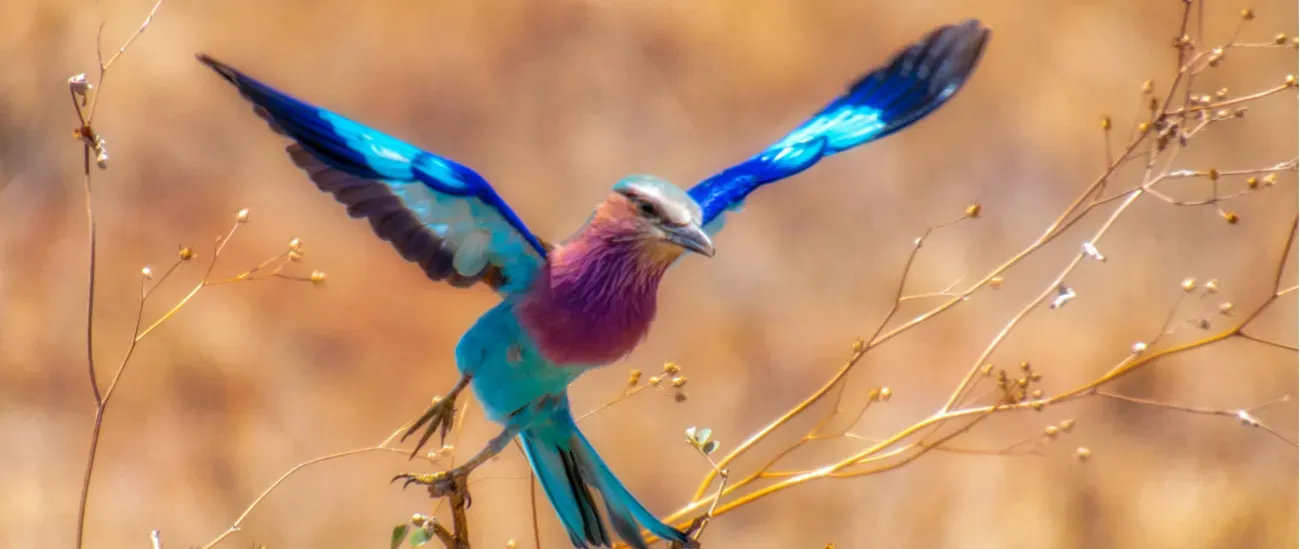
Tanzania birding safari: More than 1,100 bird species have been recorded in Tanzania, one of the highest totals of any African country.
- TripsTailor-made for you
- Length4 to 14 days
- WhereAcross Tanzania
- Best timeNovember to April
Tanzania birding safari: what to know
More than 1,100 bird species have been recorded in Tanzania, one of the highest totals of any African country, and around 30 of them are found nowhere else.
For a first birding trip, the northern parks are productive and easy to combine. Lake Manyara has more than 400 species in a small area, including pelicans, storks and, in season, flamingos. Tarangire has over 550, among them the endemic ashy starling, yellow-collared lovebird and rufous-tailed weaver. The Serengeti and Ngorongoro add ostrich, secretary bird, kori bustard, and many raptors and vultures.
Serious birders look further afield. The Eastern Arc forests of the Usambara and Udzungwa mountains hold most of the country's endemics. Nyerere and Saadani are strong for waterbirds and coastal species. Lake Natron is the main breeding site for East Africa's lesser flamingos.
November to April is the best period, when migrants from Europe and Asia are present and resident birds are in breeding plumage. A birding safari uses a guide who knows calls as well as plumage, moves slowly and starts early.
What to know before you go
-
What to expect on a Tanzania birding safari
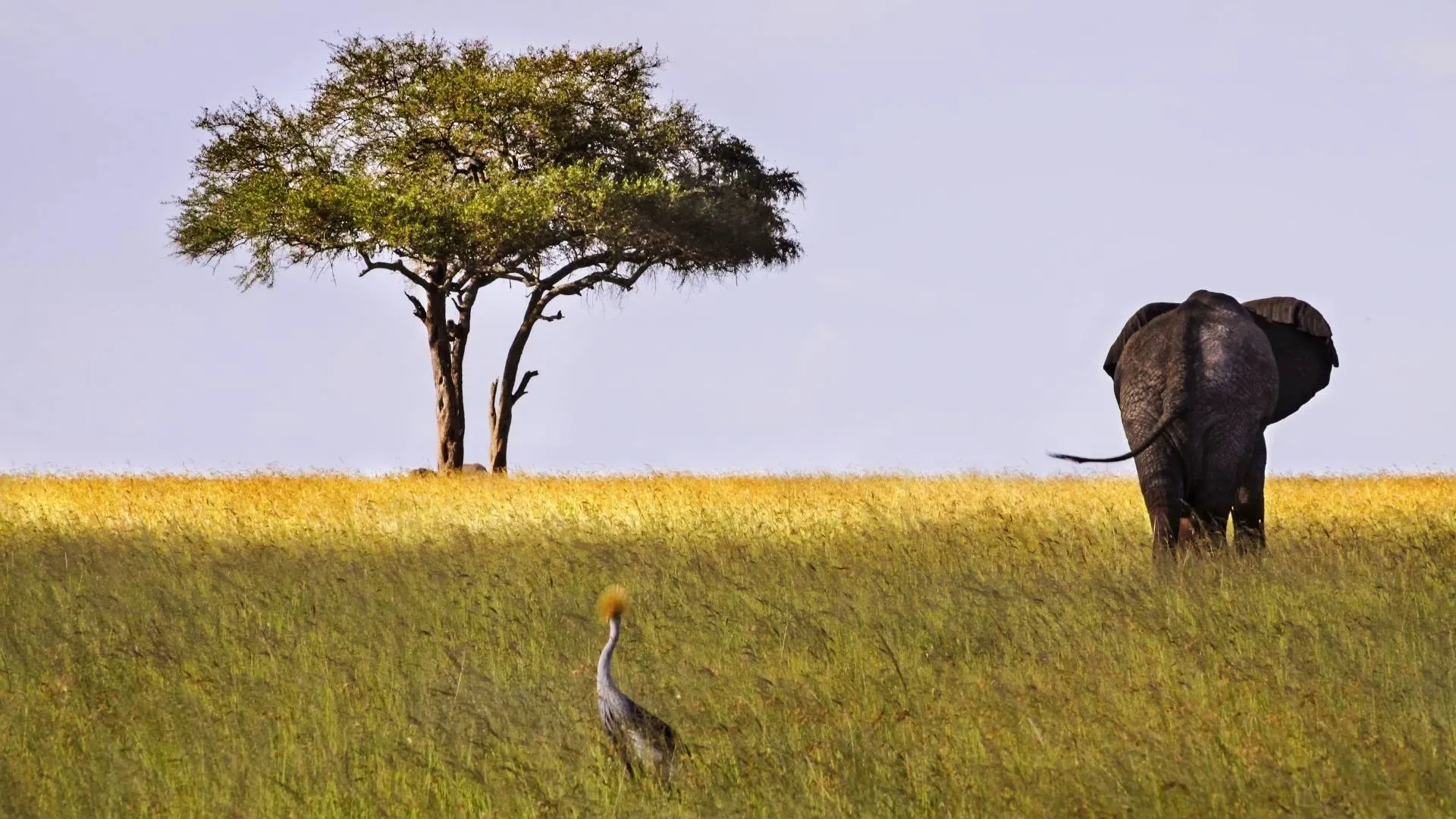
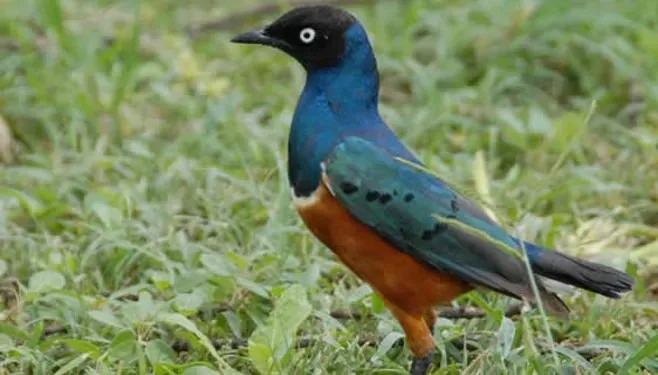
Tanzania has more than 1,100 bird species, from ostriches on the plains to tiny sunbirds in the forest. A birding safari moves slowly, stops often and visits several habitats in one trip. Your guide knows the calls and the best spots for each species.
-
Where and when to go
Lake Manyara and Lake Natron are rich in water birds and flamingos, Tarangire has more than 500 species, and the Usambara forests hold rare endemics. November to April, when migrant birds arrive from Europe, is the best season.
-
Who it suits
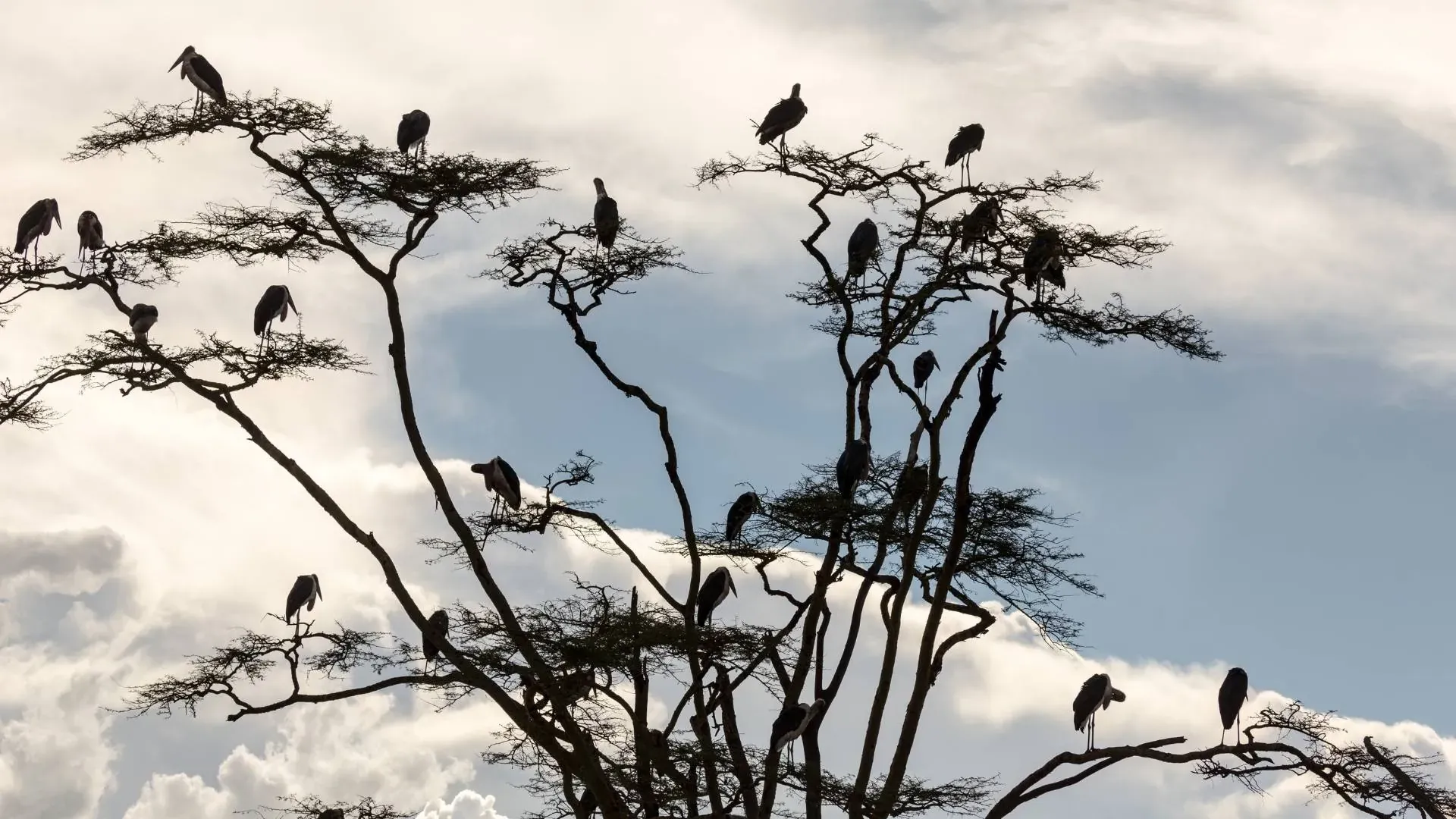
Birders of every level, and safari guests who want to add a new interest. Bring good binoculars: they are the key piece of kit.
Trips we can shape around Bird Watching
We do not have a ready-made itinerary in this style yet. These trips are a good starting point, and we adapt any of them for you.
Wildlife Safari Popular 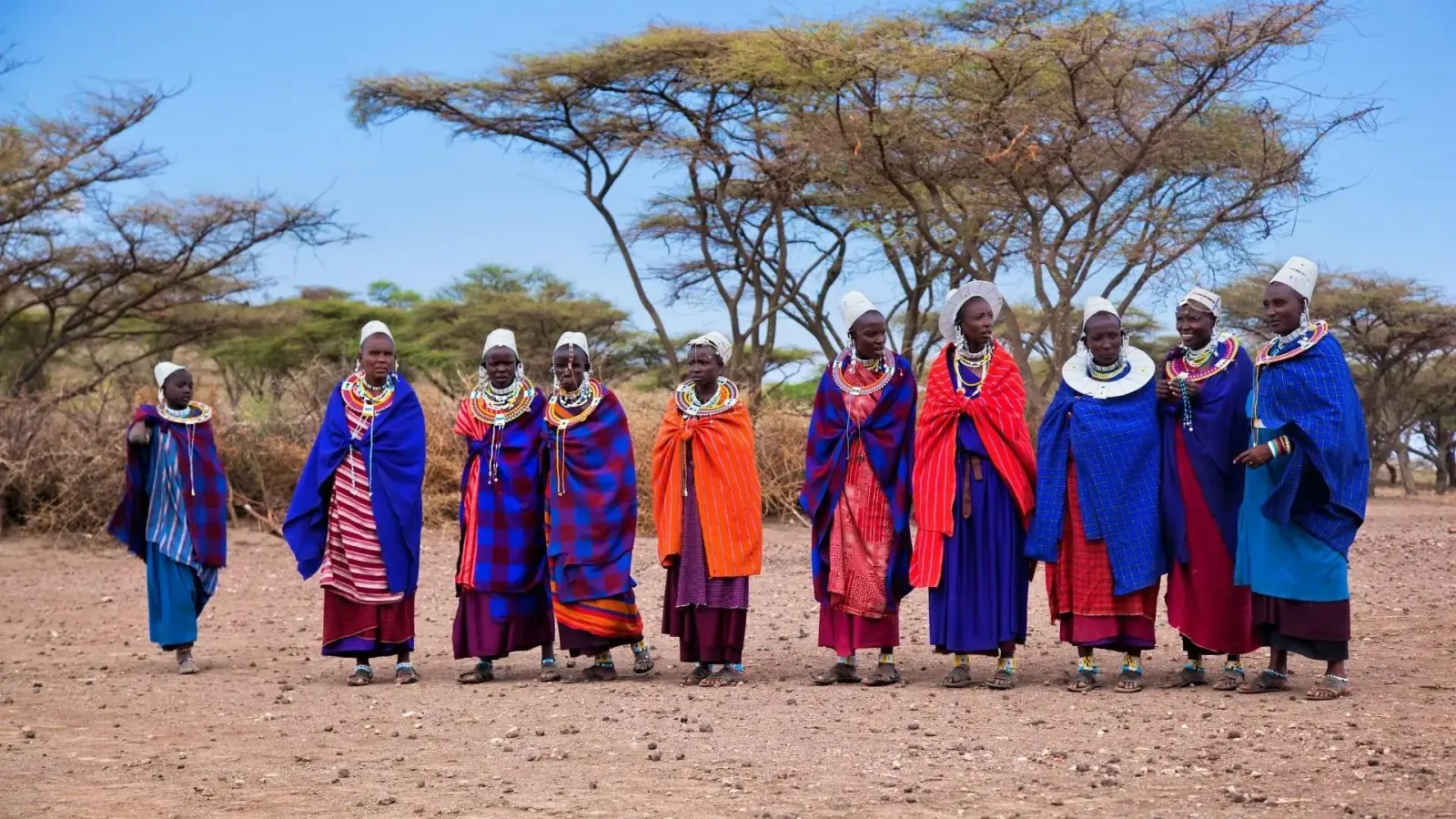 Wildlife Safari Popular
8-Day Tanzania Safari with Lake Eyasi & Maasai Culture
Arusha · Tarangire National Park · Central Serengeti (2) · Ngorongoro Crater · Lake Eyasi · +1 more
 Great Migration Popular
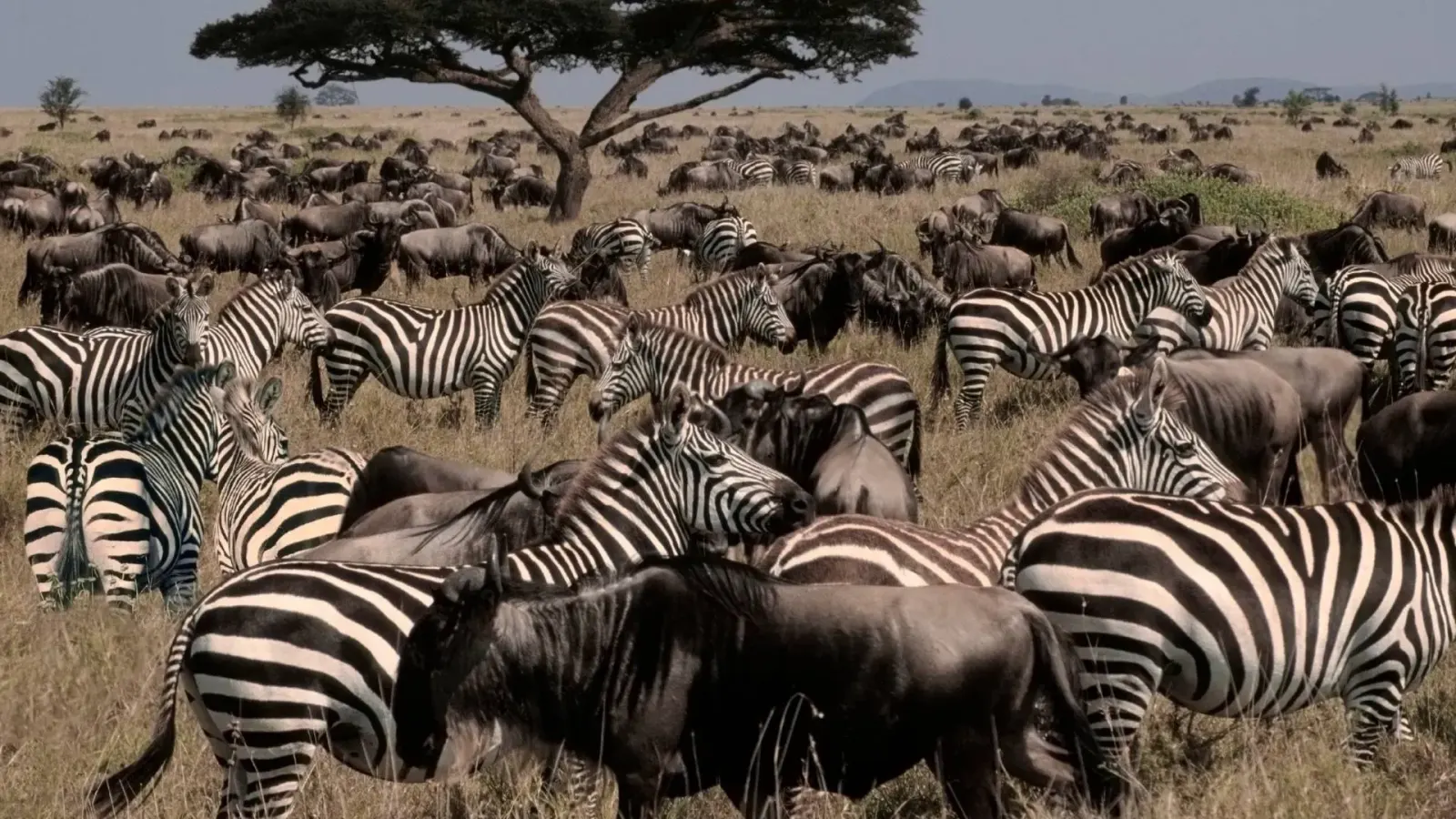
10-Day Serengeti Migration Safari, Lake Eyasi & Zanzibar
Arusha · Tarangire National Park · Central Serengeti (2) · Ngorongoro Crater · Lake Eyasi · +1 more
 Beach & Island Popular
8-Day Zanzibar & Northern Tanzania Safari
Zanzibar (2) · Tarangire National Park · Central Serengeti (2) · Ngorongoro Crater · Lake Eyasi
 Great Migration Popular
8-Day Fly-In Serengeti Safari & Zanzibar Beach Holiday
Zanzibar (3) · Serengeti National Park (2) · Karatu · Lake Eyasi
 Beach & Island Popular
10-Day Tanzania Safari & Zanzibar: Serengeti, Dolphins & Spice
Arusha · Tarangire National Park · Central Serengeti (3) · Zanzibar (3) · Stone Town
Talk to a safari expert
Our team in Arusha answers in English, French, German and Spanish.
Questions about Bird Watching
Bird Watching: how many days do I need?
Our Bird Watching trips run from 4 to 10 days, and most guests choose about 7. Fewer days mean more time on the road; more days let you slow down and stay longer where the animals are.
Bird Watching: when is the best time to go?
The best time is November to April. Every month has something, though, so read our guide to the best time to visit Tanzania before you choose your dates.
Bird Watching: how much does it cost?
The price depends on the season, the number of people and the lodges you choose. We send a clear, all-inclusive proposal for your dates within 24 hours, and our guide to the cost of a Tanzania safari explains the main costs.
Bird Watching: can I add Zanzibar or Kilimanjaro?
Yes. Zanzibar is about an hour's flight from Arusha or the Serengeti, and Kilimanjaro is an hour's drive from Arusha. See our Zanzibar holidays and Kilimanjaro routes.
Bird Watching: is the trip private?
Yes. Every trip we run is private, with your own vehicle and guide, and we adapt the route, the lodges and the pace to you. Start with the trip planner or contact us.
Shall we plan your trip?
Tell us your dates and what you would like to see. A specialist in Arusha sends a route and a clear proposal within 24 hours.
Plan this trip