 Wildlife Safari Popular
Travel style
Gorilla Trekking
Gorilla trekking in Uganda and Rwanda: how a trek works, permit costs, fitness and age rules, Bwindi versus Volcanoes, and the best months.
- TripsTailor-made for you
- Length4 to 14 days
- WhereAcross Tanzania
- Best timeJune to September, and December to February
Gorilla trekking: what to know
Just over 1,000 mountain gorillas survive, all of them in the forests where Uganda, Rwanda and the Democratic Republic of Congo meet. Trekking to see them is tightly controlled, and permit fees pay for their protection.
How it works: you are placed in a group of up to eight people and assigned a habituated gorilla family. Rangers and trackers lead you through the forest until you find them, which can take 30 minutes or six hours. You then spend one hour with the family at a distance of a few metres. The minimum age is 15, and anyone who is ill may not trek.
Rwanda or Uganda: Volcanoes National Park in Rwanda is two to three hours from Kigali airport, and the permit is US$1,500. Bwindi in Uganda has more gorilla families and a permit of US$800, with longer travel times and steeper terrain. Both give excellent sightings.
Permits are limited and should be booked several months ahead. The drier months, June to September and December to February, have the easiest walking. A gorilla trek combines well with a Tanzania safari through flights between Kigali and Kilimanjaro.
What to know before you go
-
What to expect on gorilla trekking
You walk through mountain forest with a ranger team until you find a habituated gorilla family, then spend one hour with them. Treks take from one to several hours, on steep and sometimes muddy paths. Group sizes are small and strictly limited.
-
Where and when to go
Mountain gorillas live in Volcanoes National Park in Rwanda and Bwindi in Uganda, a short flight from Tanzania. The drier months, June to September and December to February, make trekking easier. Permits are limited, so book well ahead.
-
Who it suits
Anyone over 15 who is reasonably fit. It combines well with a Tanzania safari; see Rwanda and Uganda, and the official Visit Rwanda site for permits.
Trips we can shape around Gorilla Trekking
We do not have a ready-made itinerary in this style yet. These trips are a good starting point, and we adapt any of them for you.
Wildlife Safari Popular 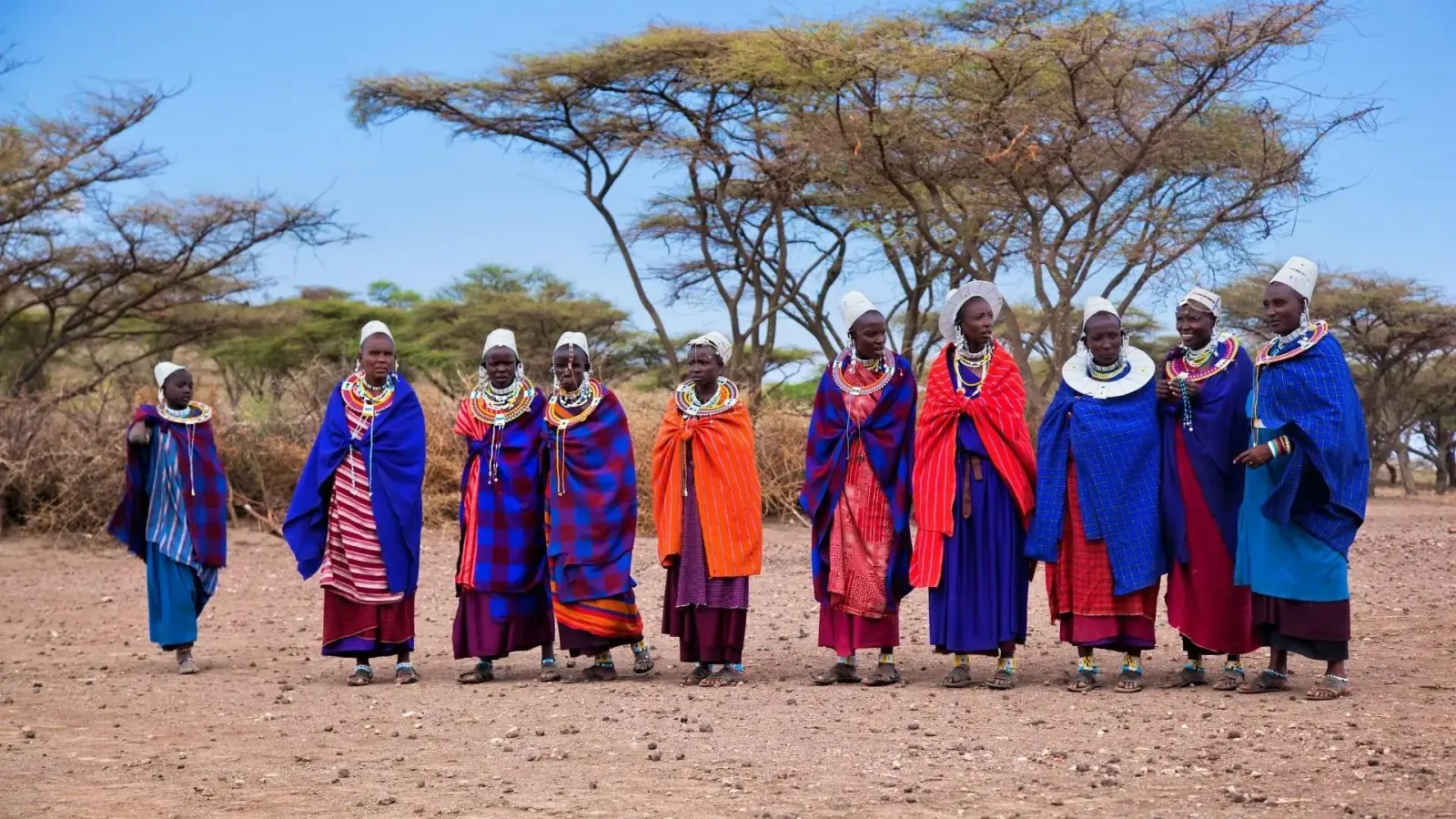 Wildlife Safari Popular
8-Day Tanzania Safari with Lake Eyasi & Maasai Culture
Arusha · Tarangire National Park · Central Serengeti (2) · Ngorongoro Crater · Lake Eyasi · +1 more
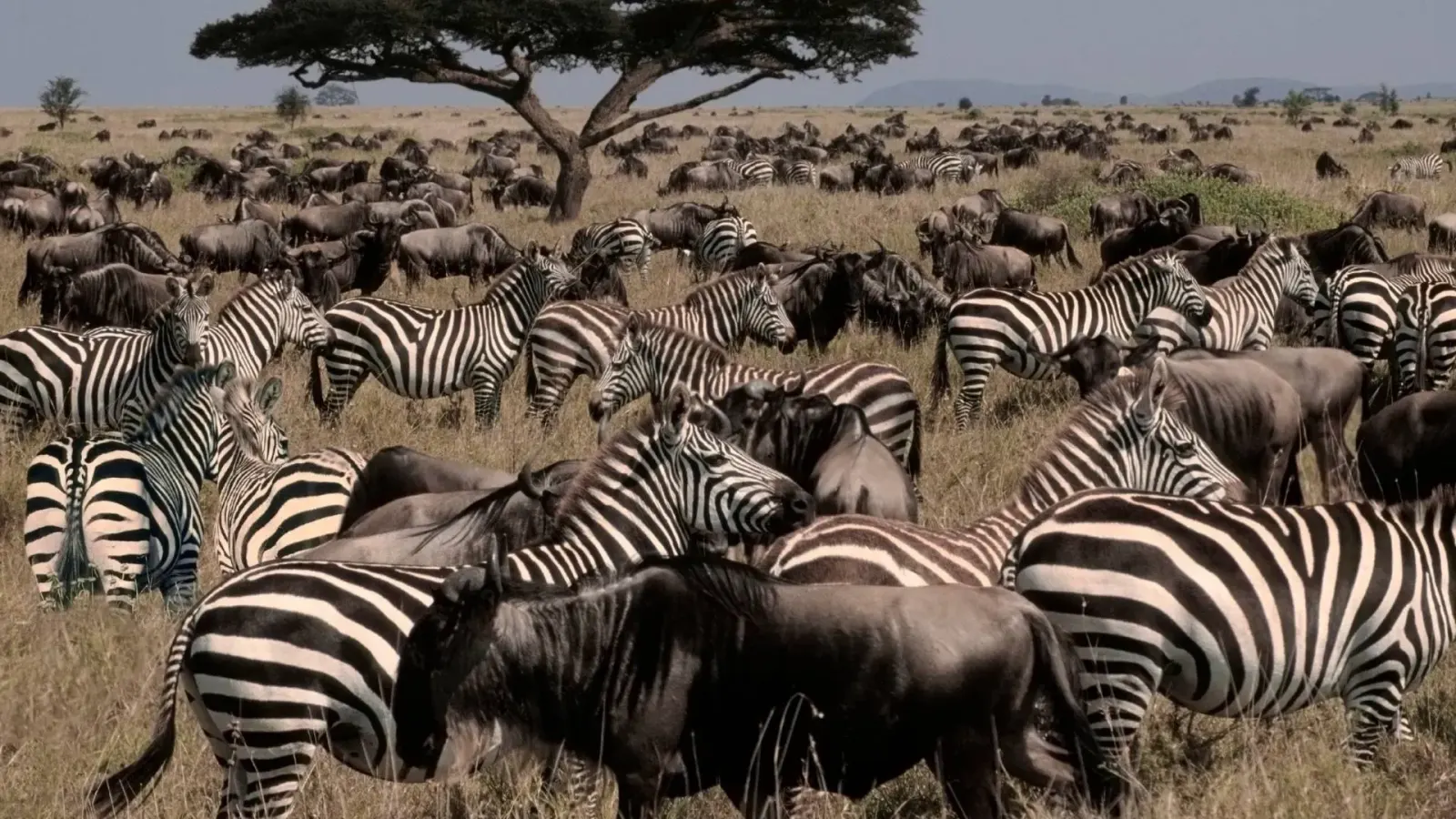 Great Migration Popular
10-Day Serengeti Migration Safari, Lake Eyasi & Zanzibar
Arusha · Tarangire National Park · Central Serengeti (2) · Ngorongoro Crater · Lake Eyasi · +1 more
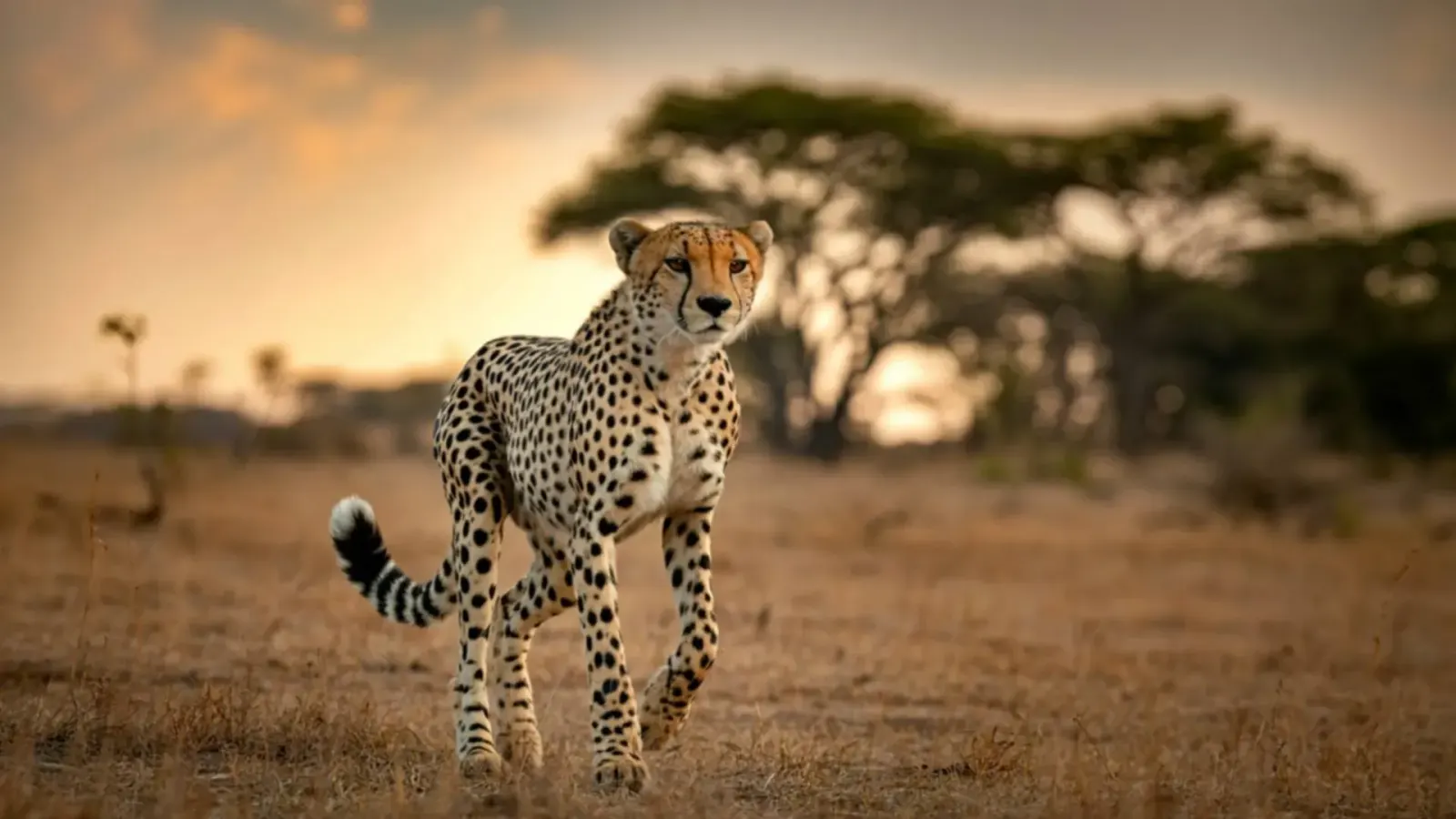 Beach & Island Popular
8-Day Zanzibar & Northern Tanzania Safari
Zanzibar (2) · Tarangire National Park · Central Serengeti (2) · Ngorongoro Crater · Lake Eyasi
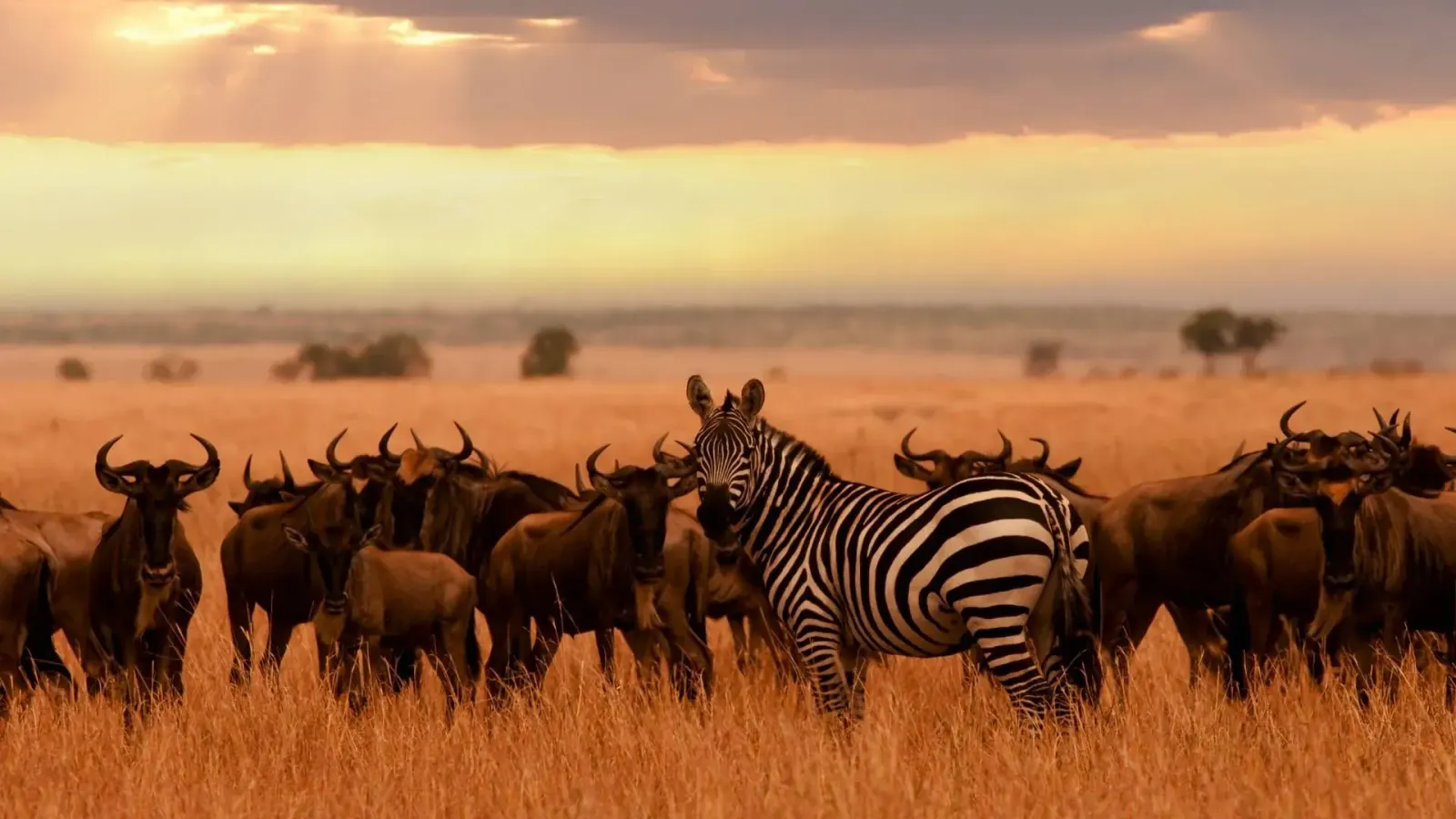 Great Migration Popular
8-Day Fly-In Serengeti Safari & Zanzibar Beach Holiday
Zanzibar (3) · Serengeti National Park (2) · Karatu · Lake Eyasi
 Beach & Island Popular
10-Day Tanzania Safari & Zanzibar: Serengeti, Dolphins & Spice
Arusha · Tarangire National Park · Central Serengeti (3) · Zanzibar (3) · Stone Town
Talk to a safari expert
Our team in Arusha answers in English, French, German and Spanish.
Questions about Gorilla Trekking
Gorilla Trekking: how many days do I need?
Our Gorilla Trekking trips run from 4 to 10 days, and most guests choose about 7. Fewer days mean more time on the road; more days let you slow down and stay longer where the animals are.
Gorilla Trekking: when is the best time to go?
The best time is June to September, and December to February. Every month has something, though, so read our guide to the best time to visit Tanzania before you choose your dates.
Gorilla Trekking: how much does it cost?
The price depends on the season, the number of people and the lodges you choose. We send a clear, all-inclusive proposal for your dates within 24 hours, and our guide to the cost of a Tanzania safari explains the main costs.
Gorilla Trekking: can I add Zanzibar or Kilimanjaro?
Yes. Zanzibar is about an hour's flight from Arusha or the Serengeti, and Kilimanjaro is an hour's drive from Arusha. See our Zanzibar holidays and Kilimanjaro routes.
Gorilla Trekking: is the trip private?
Yes. Every trip we run is private, with your own vehicle and guide, and we adapt the route, the lodges and the pace to you. Start with the trip planner or contact us.
Shall we plan your trip?
Tell us your dates and what you would like to see. A specialist in Arusha sends a route and a clear proposal within 24 hours.
Plan this trip