
Climbing Mount Kilimanjaro needs no technical skill, but it does need the right route and enough days. Before you choose, compare the Lemosho, Machame and Marangu routes, each with a map and day-by-day stages.
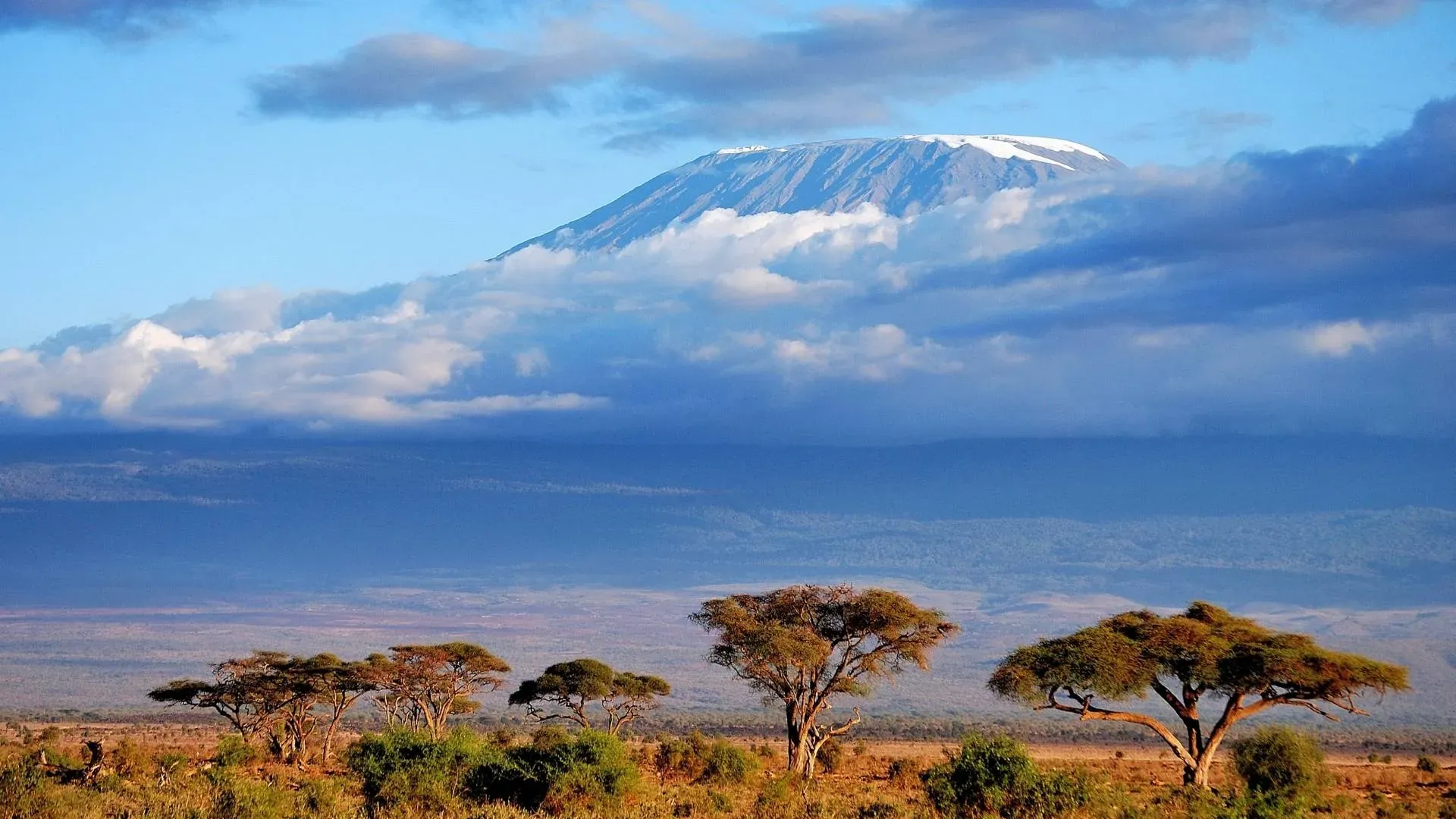
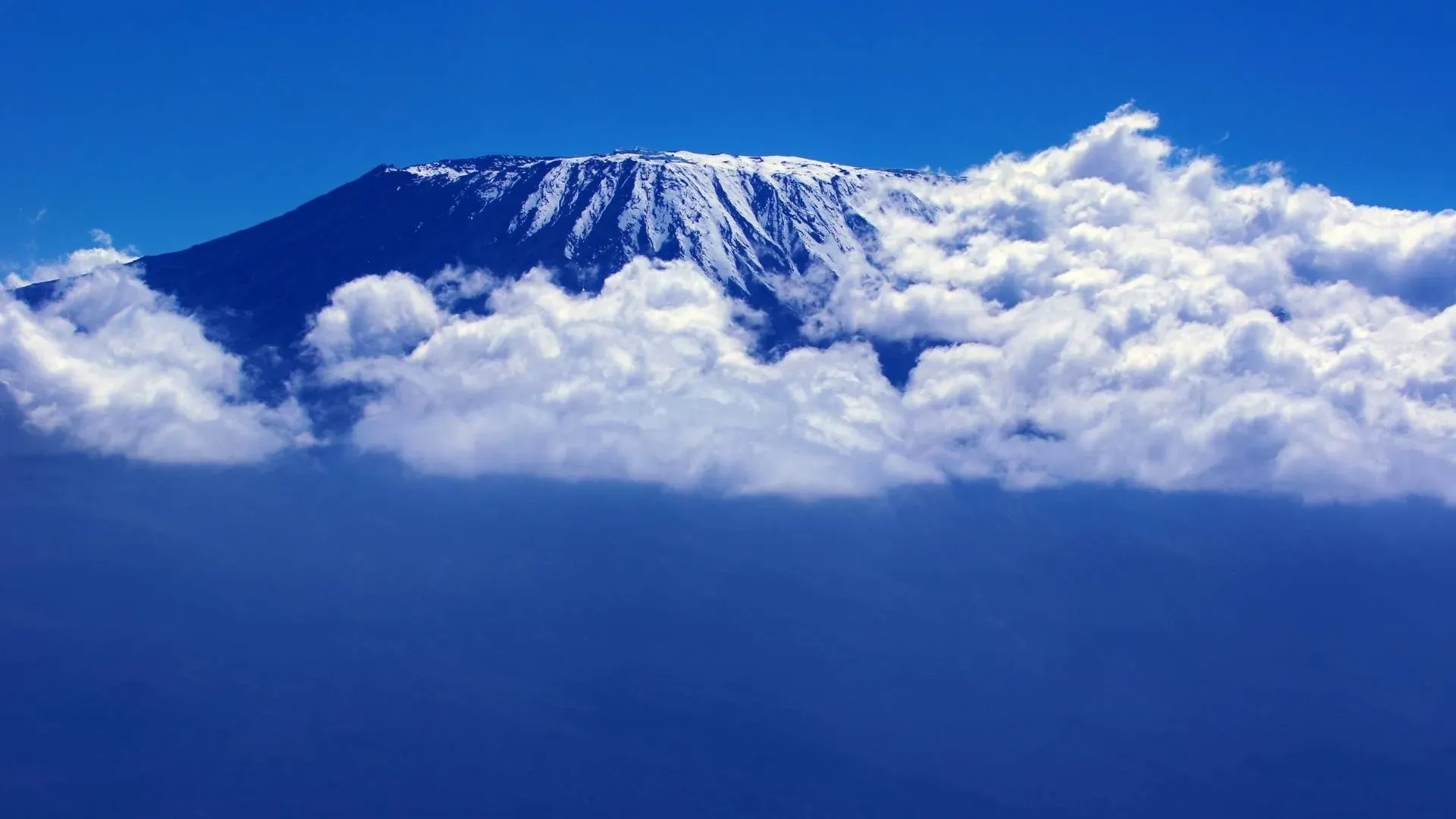
Mount Kilimanjaro, in northern Tanzania, is the highest mountain in Africa and the tallest free-standing mountain in the world. Its summit, Uhuru Peak, is 5,895 m above sea level. You do not need ropes, crampons or climbing experience to reach it. It is a long, high walk, and the main challenge is altitude.
What the climb is like
A typical climb lasts six to eight days. Each day you walk for four to seven hours at a slow, steady pace, carrying only a day pack while porters carry tents, food and your main bag. You pass through rainforest, heath and moorland, high alpine desert and finally a zone of scree and ice near the top.
Summit night is the hardest part. You leave base camp around midnight and climb by headlamp for six or seven hours to reach the crater rim at dawn, then walk on to Uhuru Peak. After a short time at the top you descend, often to a camp far below. Expect 12 to 15 hours on your feet that day.
The routes compared
- Marangu (5–6 days): the only route with huts instead of tents. Gentle gradient, but a short schedule that gives the body less time to adapt.
- Machame (6–7 days): the most popular route. Scenic, with a climb-high, sleep-low profile and a scramble up the Barranco Wall.
- Lemosho (7–8 days): starts on the quiet western side and crosses the Shira Plateau. Excellent acclimatisation and our usual recommendation for first-time climbers.
- Rongai (6–7 days): the only route from the north. Drier, quieter and steady, and a good choice in the rainy months.
- Northern Circuit (8–9 days): the longest route, circling the quiet northern slopes. The best acclimatisation of all.
- Umbwe (6 days): steep and direct. Only for experienced trekkers who acclimatise well.
How many days?
This is the most important decision. Altitude sickness is caused by climbing faster than the body can adapt, and the only reliable prevention is time. Climbs of seven days or more have clearly higher success rates than five- or six-day climbs. If you can afford the extra day, take it.

What does a climb cost?
Park fees are the largest single cost and are charged per person per day, so a longer climb costs more. On top of that come the guides, porters and cook, food, equipment, transfers and a hotel night before and after. Be wary of very cheap offers: they often save money on porter wages, food or safety equipment. A reputable operator pays fair wages, carries emergency oxygen and checks your oxygen levels daily. Budget separately for tips for the mountain crew, which are customary and a significant part of their income.
When to climb
The best months are January to mid-March and June to October, when the mountain is driest. January and February are colder and quieter; June to October is busier. April, May and November are the wettest months, and the Rongai route is the best choice then.

Altitude sickness
Most climbers have a headache or poor sleep at some point. Signs that need attention include severe headache that does not respond to painkillers, vomiting, confusion, loss of balance or breathlessness at rest. The treatment is to descend, and a good guide will make that call. Walk slowly ("pole pole" in Swahili), drink three to four litres of water a day, and tell your guide how you feel honestly. Ask your doctor about acetazolamide (Diamox) before you travel.
Fitness and training
You do not need to be an athlete, but you do need to be able to walk for several hours on consecutive days. In the months before, take long hill walks with a loaded day pack, ideally on back-to-back days, and wear in your boots.
What to pack
- Waterproof, worn-in hiking boots and gaiters
- Layered clothing: base layers, fleece, insulated down jacket and a waterproof shell
- Warm hat, sun hat, thick gloves and liner gloves
- Four-season sleeping bag rated to about -10°C (these can be hired in Moshi)
- Headlamp with spare batteries, trekking poles and a 30-litre day pack
- Water bottles or a hydration bladder totalling three litres, and purification tablets
- Sunscreen, sunglasses, lip balm and a personal first-aid kit
Travel insurance that specifically covers trekking up to 6,000 m and helicopter evacuation is essential.
Keep reading: warm up on Mount Meru, check the Tanzania visa guide, or see all Kilimanjaro routes. Kilimanjaro is a UNESCO World Heritage Site.