


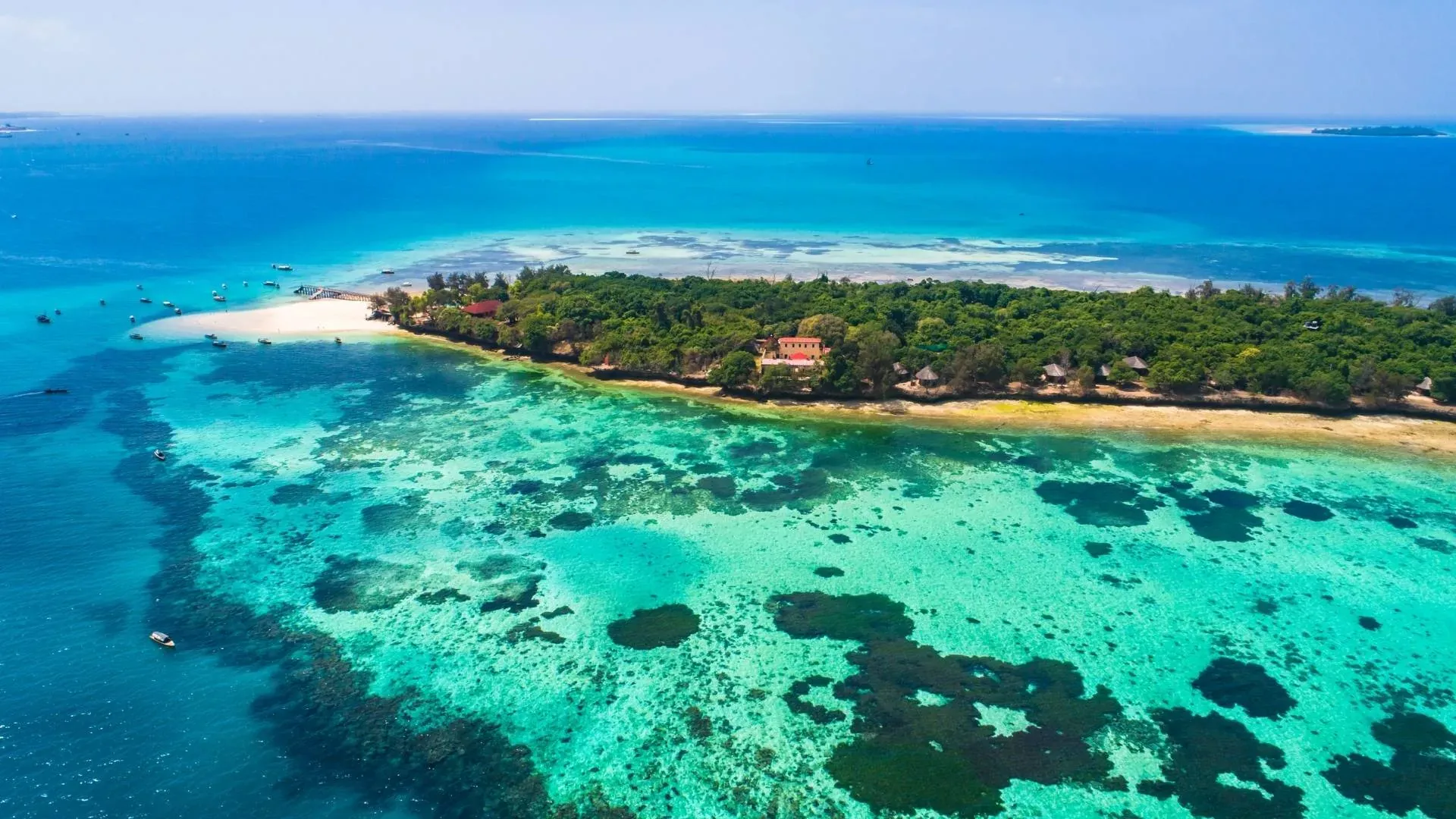
Zanzibar after safari is the classic way to end a trip in Tanzania: a short flight from Arusha or the Serengeti takes you to white sand and warm water. See all our Zanzibar beach holidays, or read on for which coast suits you.
After a week of early starts and dusty roads, a few days on Zanzibar is the natural way to finish a Tanzania trip. The island is about an hour's flight from Arusha or the Serengeti, the sea is warm all year, and there is more to it than beaches: Stone Town, spice farms, forests and reefs.
The most important decision is which coast to stay on, and that comes down mostly to the tide.
The tide question
On much of Zanzibar's east coast the sea goes out a very long way at low tide, sometimes more than a kilometre, leaving shallow lagoons and seaweed farms. It is beautiful to walk on, but you cannot swim for several hours twice a day. On the north coast the tidal range is much smaller and you can swim at almost any hour.

The beaches compared
Nungwi and Kendwa (north)
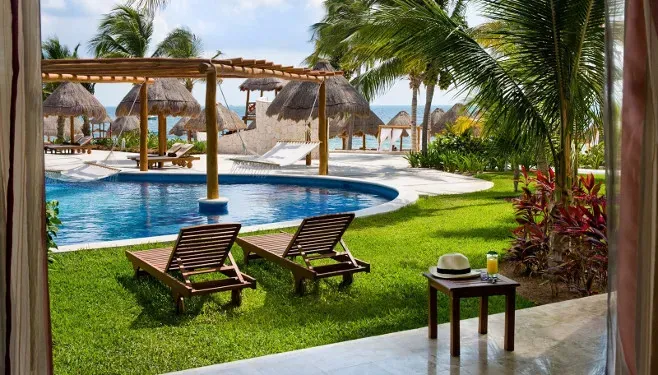
The best swimming on the island and the best sunsets, since they face west. Nungwi is lively, with plenty of restaurants and a busy beach, and you can watch dhows being built by hand. Kendwa, just to the south, is calmer. A good choice if swimming matters most.
Matemwe and Kiwengwa (north-east)
Long, quiet stretches with smaller hotels and lodges. Matemwe is the closest point to Mnemba Atoll, the island's best snorkelling and diving site, where green turtles and dolphins are often seen. Tidal, but peaceful.
Paje and Jambiani (south-east)
Wide white beaches and shallow lagoons that empty at low tide. Paje is the centre of kitesurfing on the island, with a relaxed, sociable feel. Jambiani is a long fishing village with a slower pace.
Michamvi and Bwejuu (east)
The Michamvi peninsula is quiet and suits couples. Its western side looks over Chwaka Bay, so it is one of the few places on the east coast with a sunset over the water.
What to do beyond the beach
- Stone Town: the old trading capital and a UNESCO World Heritage Site. Walk the lanes with a guide, see the carved doors, the Old Fort and the site of the last open slave market in East Africa, and eat at the Forodhani night food market. One night here is worthwhile.
- Spice farm tour: see clove, nutmeg, vanilla, cinnamon and pepper growing, and taste fruit you may not know.
- Jozani Forest: home of the Zanzibar red colobus, a monkey found only on this island.
- Mnemba Atoll: snorkelling or diving on the reef, with turtles and plenty of fish.
- Prison Island: a 30-minute boat ride from Stone Town to a colony of giant Aldabra tortoises.
- Safari Blue: a full-day dhow trip in Menai Bay with snorkelling, a sandbank and a seafood lunch.
How long to stay
Four or five nights is ideal: one in Stone Town and three or four on the beach. Three nights works if you are short of time. Many travellers spend their first night in Stone Town and then move to the coast.

Practical tips
- Getting there: flights from Arusha take about an hour and a quarter, and from the Serengeti airstrips a little longer. From Dar es Salaam it is a 20-minute flight or a two-hour ferry.
- Entry: a Tanzanian visa covers Zanzibar, but the island requires its own inexpensive travel insurance, bought online before arrival. Check the current rules before you travel.
- Dress: Zanzibar is mainly Muslim. Swimwear is fine at the beach and hotel, but cover shoulders and knees in Stone Town and villages, especially during Ramadan.
- When to go: June to October and December to February are dry. The long rains from mid-March to May are when some hotels close.
Keep reading: Stone Town, the visa and Zanzibar insurance rules, and our safari and beach trips. Stone Town is a UNESCO World Heritage Site.