
Explore Destination · Uganda
Bwindi Impenetrable Forest
Bwindi gorilla trekking: Bwindi Impenetrable National Park protects 321 km² of ancient rainforest on steep ridges in south-west Uganda.
- CountryUganda
- Best timeJune to August and December to February are the drier periods, with fi...
- TripsTailor-made for you
- Destinations nearby—
Bwindi gorilla trekking: what to know
Bwindi Impenetrable National Park protects 321 km² of ancient rainforest on steep ridges in south-west Uganda. It is home to roughly half of the world's mountain gorillas, close to 460 of a global population of just over 1,000, and has been a UNESCO World Heritage Site since 1994.
What to know before you go
-
How gorilla trekking works
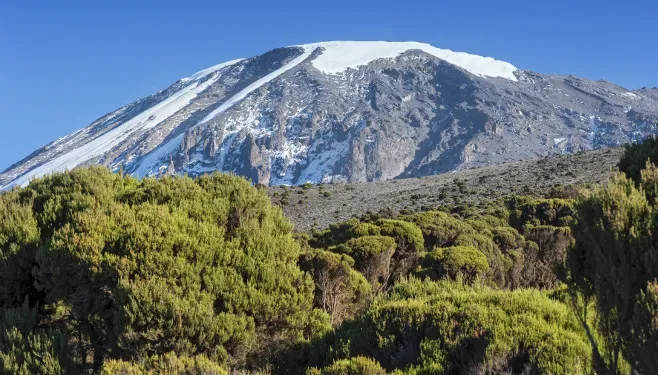
Each trekking permit allows one hour with a habituated gorilla family, in a group of no more than eight visitors. You are assigned a family at the morning briefing, then walk with rangers and trackers until you find them. That can take under an hour or most of the day, on steep, muddy, thickly vegetated slopes. Once there, you watch from a few metres away as the family feeds, rests and plays. The minimum age is 15.
-
The four sectors
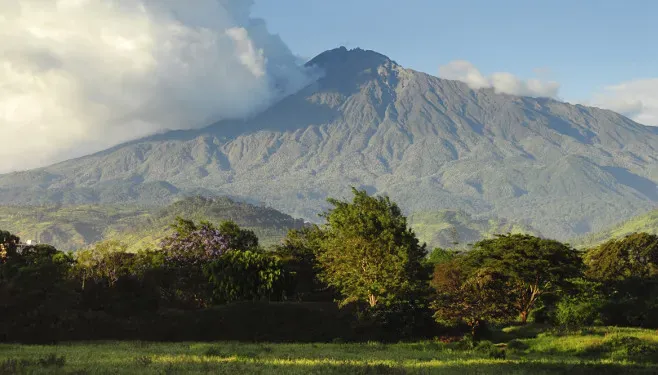
Permits are sold for a specific sector, and your lodge needs to be in the same one. Buhoma in the north is the original and most developed. Ruhija is higher and good for birding. Rushaga and Nkuringo in the south are steeper and are the closest to Kigali in Rwanda, four to five hours by road. Rushaga also offers the gorilla habituation experience, a longer visit of up to four hours with a family that is still getting used to people.
-
Beyond gorillas
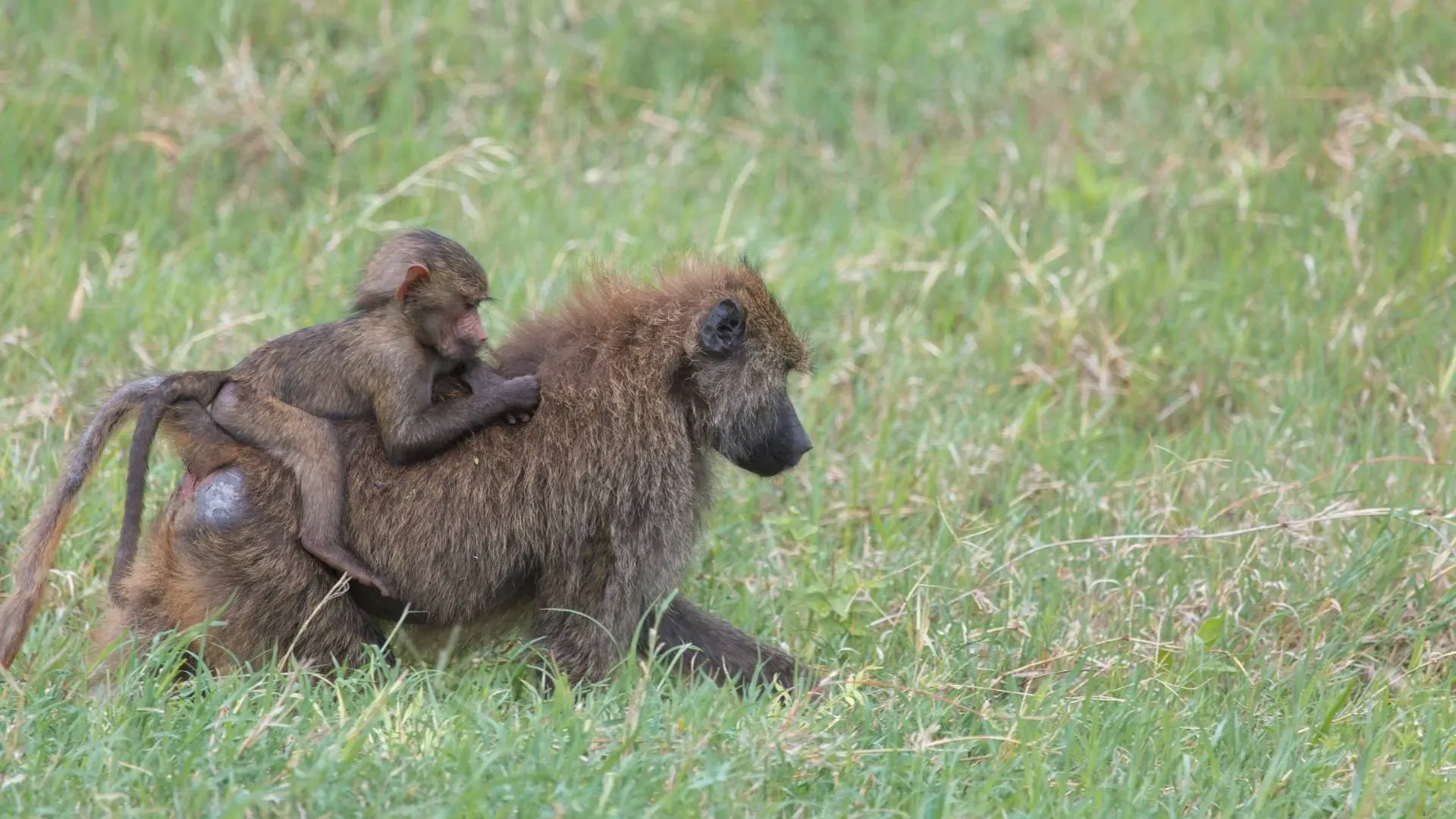
Bwindi has about 350 bird species, including many Albertine Rift endemics, plus forest walks and visits led by the Batwa, the forest's original inhabitants.
-
Getting there
From Entebbe it is an eight- to ten-hour drive, or a short flight to Kihihi or Kisoro. Porters can be hired at the trailhead and are well worth it.
When to visit Bwindi Impenetrable Forest
June to August and December to February are the drier periods, with firmer trails. Trekking runs all year and gorillas are seen in every season, but March to May and October to November are wet and the hiking is harder. Permits for the dry months should be booked many months ahead.
Where It Is
Bwindi Impenetrable Forest and the other places we travel to nearby.
Bwindi Impenetrable Forest
Trips to combine with Bwindi Impenetrable Forest
We do not have a ready-made itinerary in this style yet. These trips are a good starting point, and we adapt any of them for you.
Plan Your Safari to Bwindi Impenetrable Forest
Our team in Arusha answers in English, French, German and Spanish.
Questions about Bwindi Impenetrable Forest
How much is a gorilla trekking permit in Uganda?
A standard permit for foreign non-residents costs US$800 per person per trek. Prices are set by the Uganda Wildlife Authority and should be confirmed at the time of booking.
How hard is gorilla trekking in Bwindi?
It ranges from moderate to strenuous. Expect steep, slippery ground and two to six hours of walking in total. Rangers try to match fitter groups with more distant families, and porters are available.
Are you guaranteed to see gorillas in Bwindi?
It is not guaranteed, but trackers locate each family before visitors set out and the success rate is very high.
Is Bwindi or Rwanda better for gorilla trekking?
Uganda's permits cost about half as much and Bwindi has more gorilla families. Rwanda's Volcanoes National Park is only two to three hours from Kigali airport and the forest is more open, which makes for easier walking and photography.
Shall we plan your trip?
Tell us your dates and what you would like to see. A specialist in Arusha sends a route and a clear proposal within 24 hours.
Plan this trip