Explore Destination · South Africa
Kruger National Park
Kruger safari: Kruger National Park covers almost 20,000 km² of north-eastern South Africa along the Mozambique border, an area about the size of Wales.
- CountrySouth Africa
- Best timeMay to September is the dry winter: the bush thins, animals gather at...
- TripsTailor-made for you
- Destinations nearby—
Kruger safari: what to know
Kruger National Park covers almost 20,000 km² of north-eastern South Africa along the Mozambique border, an area about the size of Wales. It began as the Sabie Game Reserve in 1898 and became a national park in 1926. Kruger has all of the Big Five, well over 500 bird species, and the most developed visitor infrastructure of any large park in Africa.
What to know before you go
-
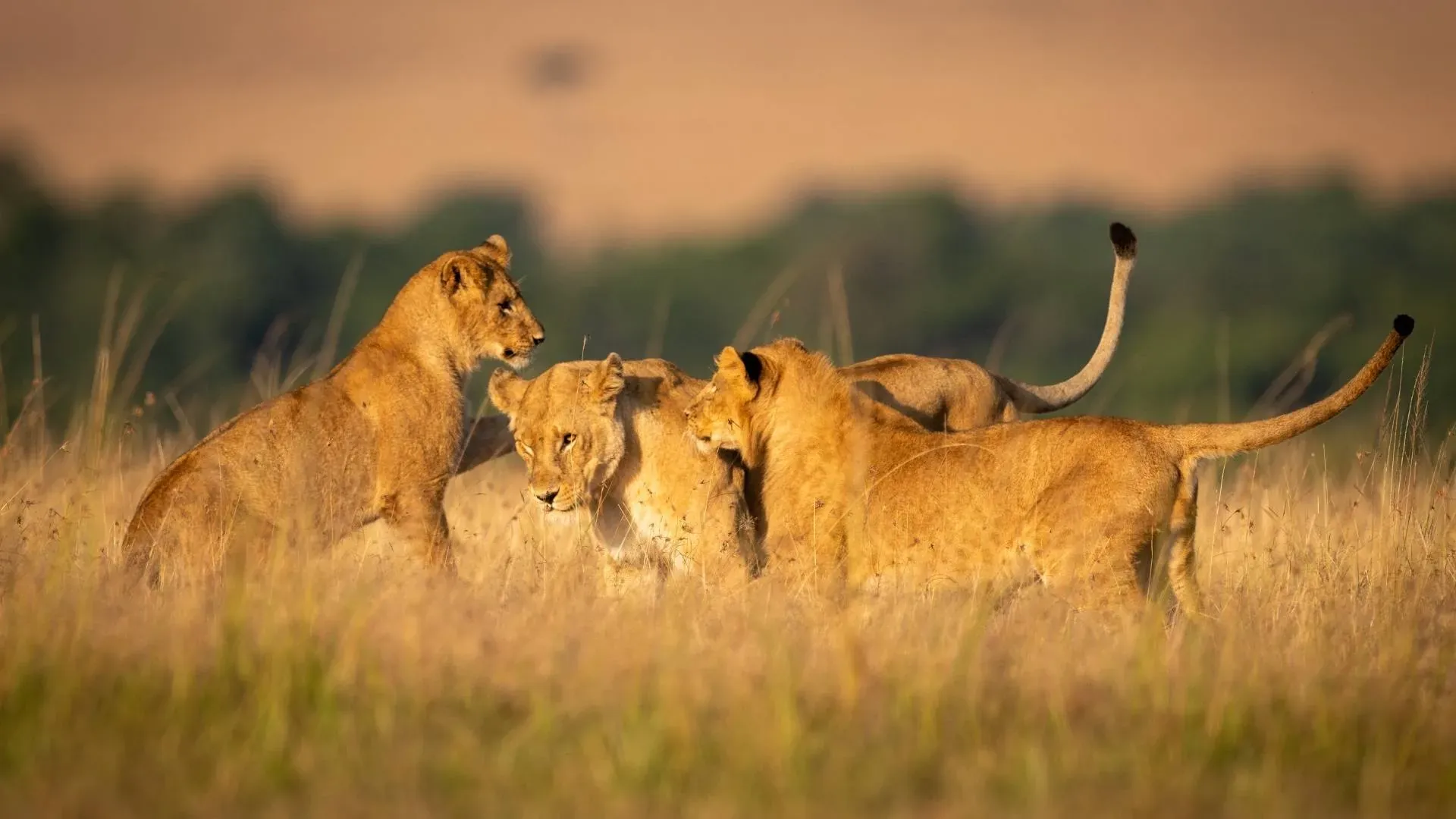
Self-drive or guided
Kruger has a network of tarred and gravel roads and more than a dozen main rest camps with chalets, campsites, shops and fuel. That makes it one of the few major parks you can explore in an ordinary hire car, which keeps costs down and suits families. The rest camps also run guided morning, sunset and night drives and bush walks.
-
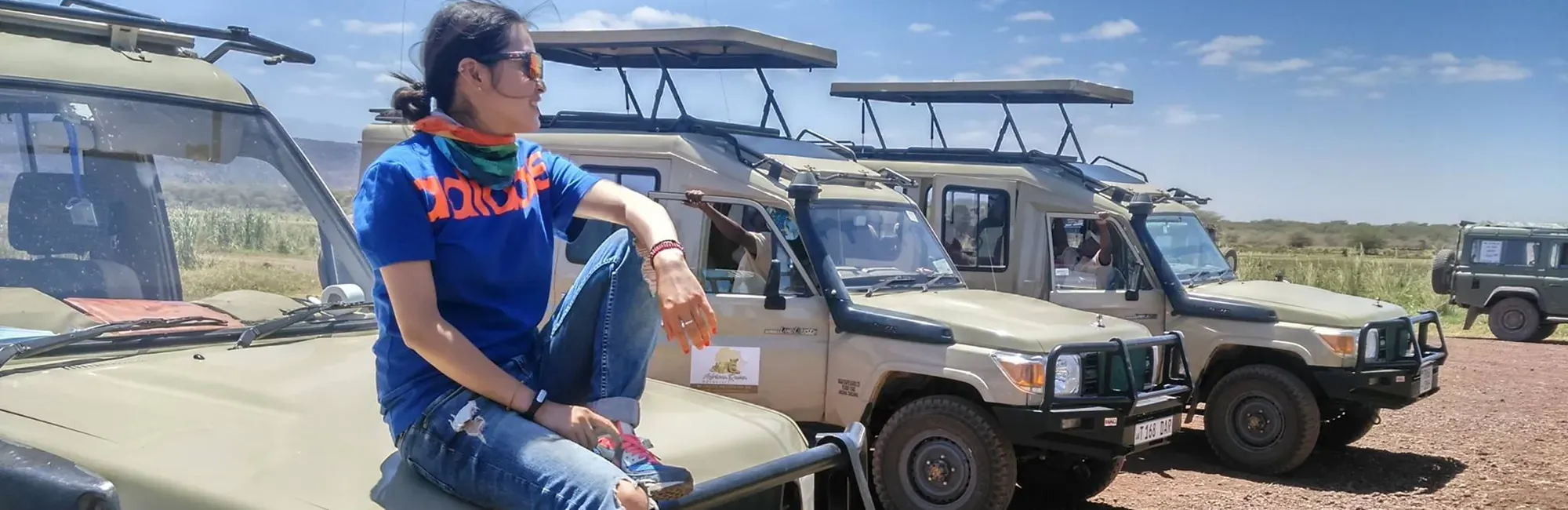
Private reserves
Along the park's unfenced western edge are private reserves, including Sabi Sand, Timbavati and Klaserie. Here guests stay in small lodges and go out in open vehicles with a guide and a tracker. Vehicles may leave the road to follow animals and are limited in number at each sighting. Sabi Sand in particular is known for relaxed leopards seen at close range. This is a very different, and much more expensive, experience from the public park.
-
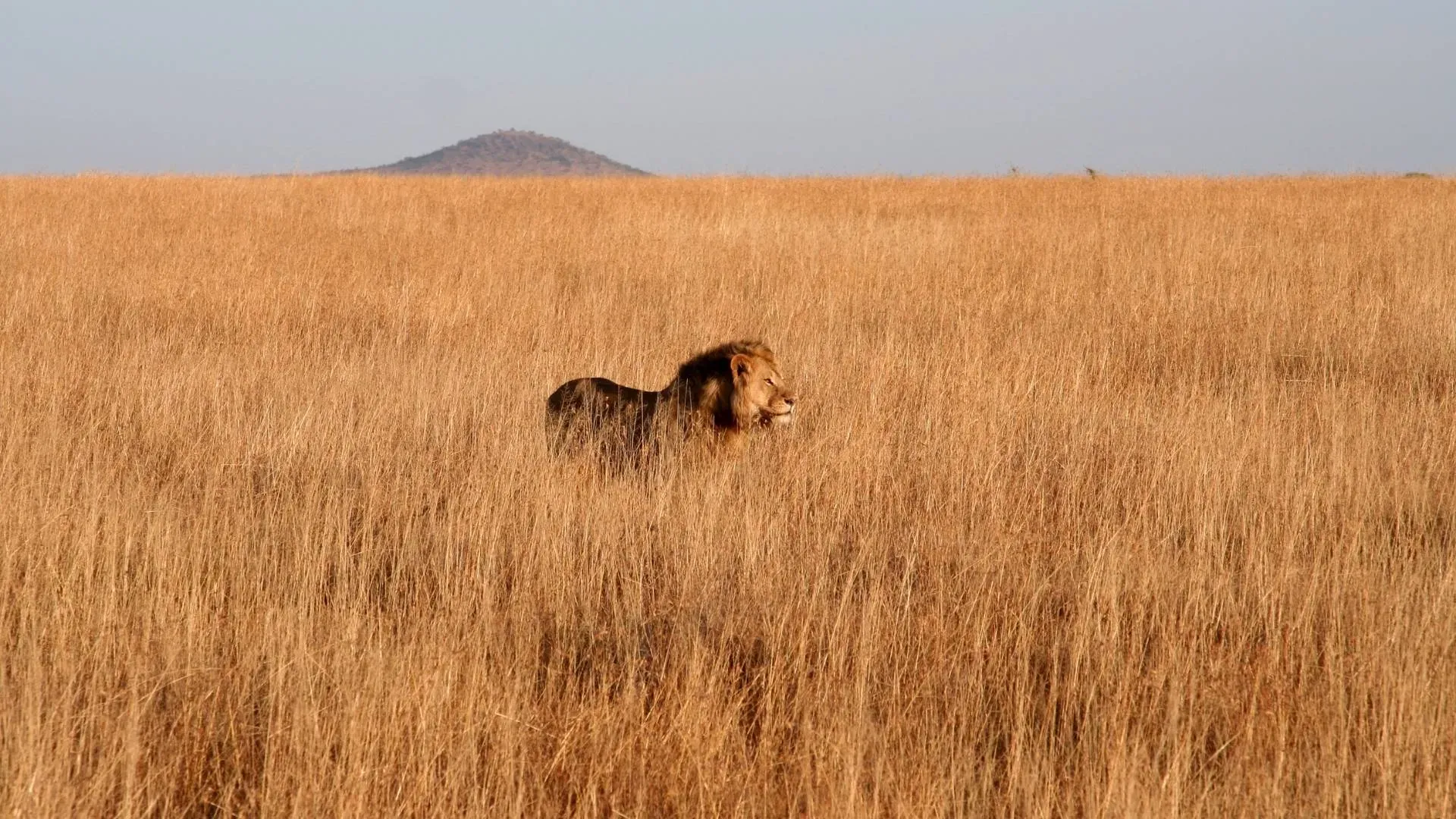
Where to go
The south, around Skukuza and Lower Sabie, has the highest density of game and of visitors. The central grasslands around Satara are known for lion. The far north is quieter, with baobabs and the best birding.
-
Getting there
Flights from Johannesburg and Cape Town serve Skukuza, Hoedspruit and Kruger Mpumalanga airports. The drive from Johannesburg takes about five hours.
When to visit Kruger National Park
May to September is the dry winter: the bush thins, animals gather at rivers and waterholes, and malaria risk is lowest. October to April is hot and wet, with thick vegetation, newborn animals from November and the best birding.
Where It Is
Kruger National Park and the other places we travel to nearby.
Kruger National Park
Trips to combine with Kruger National Park
We do not have a ready-made itinerary in this style yet. These trips are a good starting point, and we adapt any of them for you.
Plan Your Safari to Kruger National Park
Our team in Arusha answers in English, French, German and Spanish.
Questions about Kruger National Park
Can you self-drive in Kruger National Park?
Yes. The park has good roads and clearly marked routes, and a normal car is sufficient. Visitors must stay in the vehicle except at designated points and be back in camp by gate-closing time.
What is the difference between Kruger and Sabi Sand?
Kruger is a public national park with self-drive access and large rest camps. Sabi Sand is a private reserve on its border with small lodges, guided open-vehicle drives, off-road tracking and far fewer vehicles.
Is there malaria in Kruger?
Yes, Kruger is in a malaria area, with the highest risk in the wet summer months. Ask a travel clinic about prophylaxis before you go.
Shall we plan your trip?
Tell us your dates and what you would like to see. A specialist in Arusha sends a route and a clear proposal within 24 hours.
Plan this trip