
 Honeymoon Safari Romantic
Explore Destination · Tanzania
Zanzibar Island
Zanzibar Island safari: Zanzibar Island: why this destination matters Zanzibar Island is where many Tanzania itineraries shift from dust.
- CountryTanzania
- Best timeJune to October, and January to February
- Trips2 sample trips
- Destinations nearbySaadani National Park, Zanzibar
Zanzibar Island safari: what to know
No description available yet.
What to know before you go
-
Zanzibar Island: why this destination matters
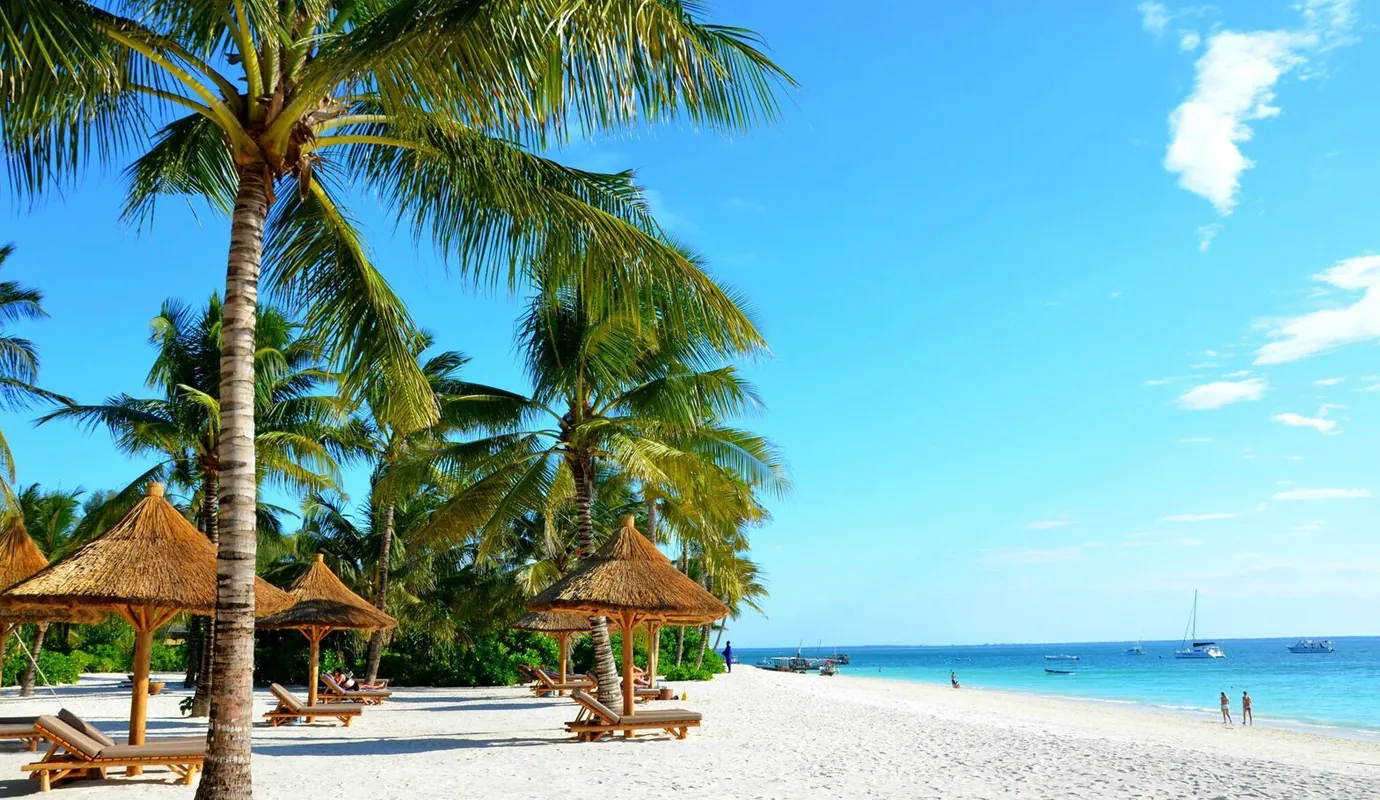
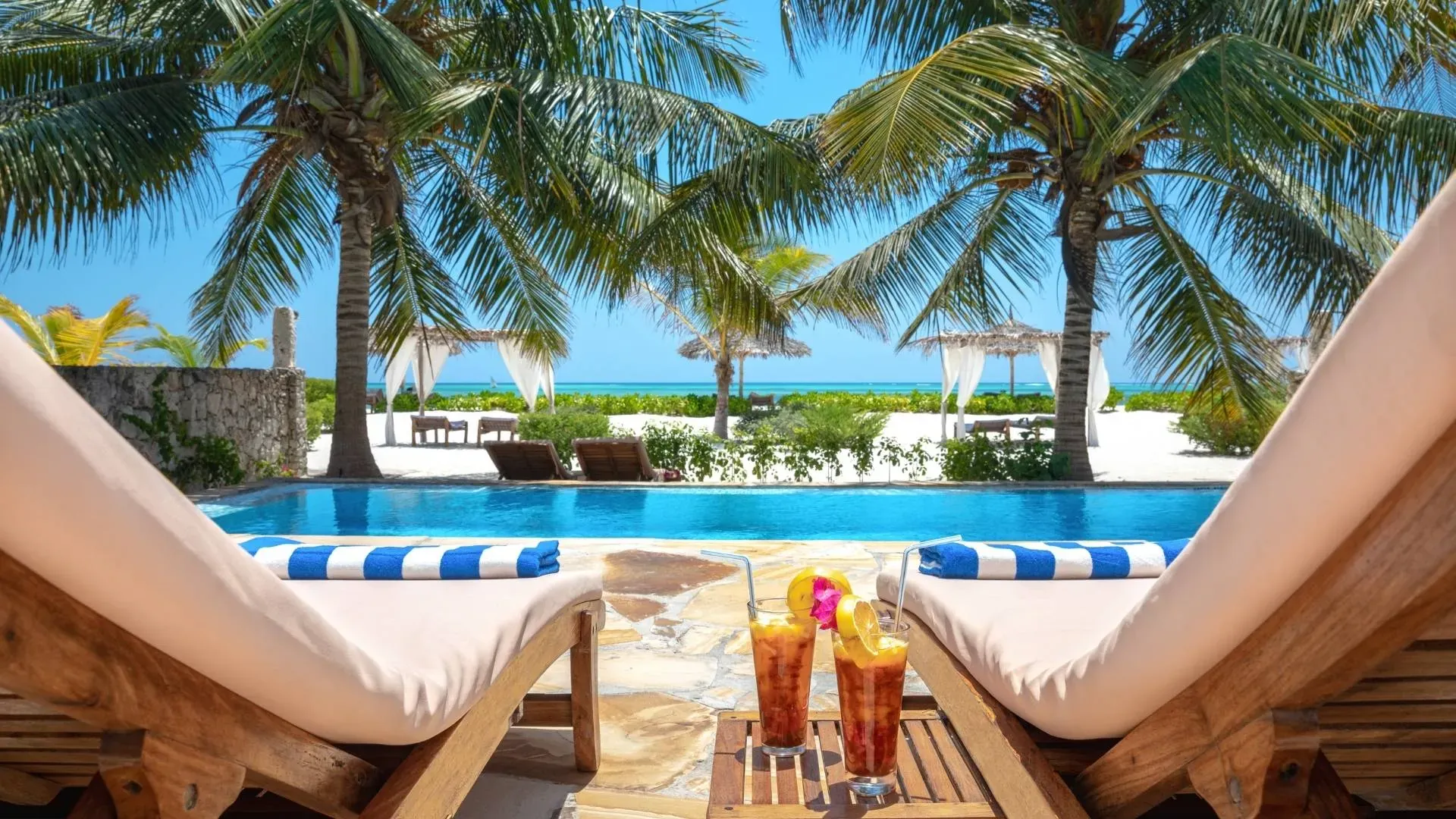
Zanzibar Island is where many Tanzania itineraries shift from dust and game drives to coral-rag villages, spice farms, dhow harbours, and warm Indian Ocean water. It is not a single beach resort destination but a layered island with distinct moods depending on whether you stay in Stone Town, the east coast, the north, or the quieter southern stretches. Stone Town gives the island its cultural gravity with carved doors, Omani architecture, old merchant houses, and narrow lanes that still reflect centuries of Indian Ocean trade. Outside town, the island opens into clove and spice farms, seaweed villages, palm-backed beaches, and tidal flats that change the coastline hour by hour.
Zanzibar Island is not driven by classic safari wildlife, yet it still offers marine life, reef fish, dolphins in some coastal zones, and forest reserves where the endemic red colobus monkey remains one of the archipelago's most recognisable species. Days can be built around walking tours in Stone Town, cooking classes, spice visits, diving or snorkelling on coral reefs, sunset dhow cruises, or simply resting after a demanding mainland safari or Kilimanjaro climb.
-
Planning time in Zanzibar Island
Zanzibar Island works differently depending on the coast and the season, so the right beach matters as much as the right month. Some travellers want nightlife and easy access to excursions, while others want a quieter hideaway with more privacy and slower pacing. Because flights from Arusha and Serengeti connect well, Zanzibar is one of the easiest extensions to add, but it is most rewarding when travellers are clear about whether they want culture, diving, honeymoon downtime, or family beach time. The island is particularly strong as the final chapter of a safari or trekking itinerary because it gives the trip emotional contrast rather than more of the same.
Moreover, guests comparing other Tanzania destinations often add Zanzibar Island to custom Tanzania holidays when they want a trip that balances wildlife, culture, and genuine Indian Ocean rest instead of ending the journey on another long road transfer.
Where It Is
Zanzibar Island and the other places we travel to nearby.
Zanzibar Island
Trips that include Zanzibar Island
Sample itineraries. Every trip is private, so we change the days, lodges and pace to suit you.
Honeymoon Safari Romantic 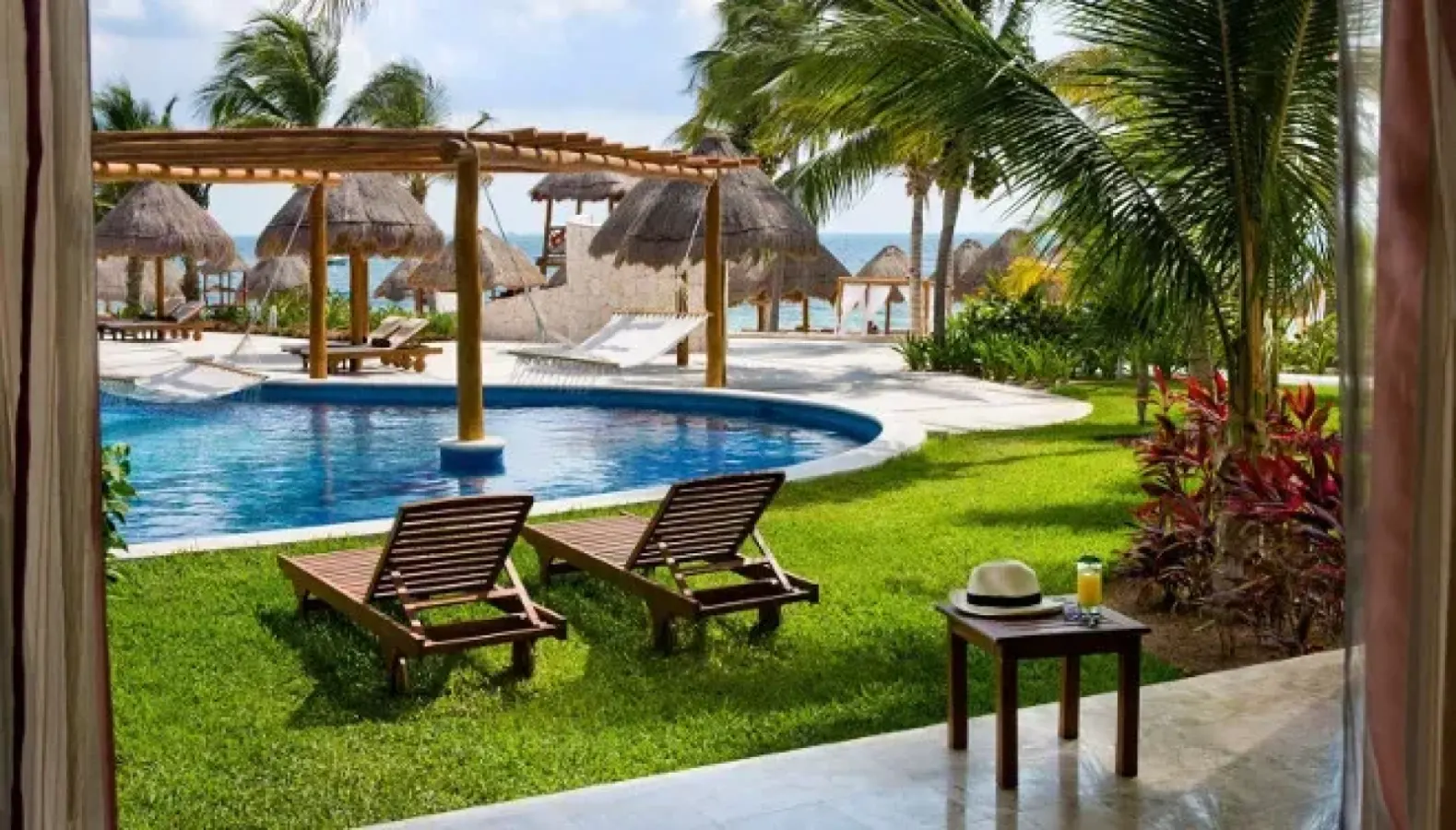 Luxury Safari Popular
8-Day Tanzania Luxury Safari Experience
Arusha Town · Tarangire National Park · Ngorongoro Crater (2) · Serengeti National Park (2) · Zanzibar Island
Plan Your Safari to Zanzibar Island
Our team in Arusha answers in English, French, German and Spanish.
Questions about Zanzibar Island
What is the best time to visit Zanzibar Island?
The dry season (June-October) generally offers the best wildlife viewing at Zanzibar Island, while the wet season (November-May) brings lush scenery and fewer crowds.
Where is Zanzibar Island located?
Zanzibar Island is located in Tanzania.
Which safaris visit Zanzibar Island?
We offer 2 safari packages that include Zanzibar Island — see the packages below for itineraries and pricing.
Shall we plan your trip?
Tell us your dates and what you would like to see. A specialist in Arusha sends a route and a clear proposal within 24 hours.
Plan this trip