 Wildlife Safari
10-Day Mkomazi, Usambara Mountains & Saadani Safari
Mkomazi National Park (2) · West Usambara · East Usambara (2) · Saadani National Park (4) · Dar Es Salaam
 Read
Tanzania Visa Guide 2026: e-Visa, Costs and Entry Rules
Explore Destination · Tanzania
East Usambara Amani: The East Usambara Mountains are lower, wetter and warmer than their western neighbours and sit only about 40 km from the Indian Ocean.
The East Usambara Mountains are lower, wetter and warmer than their western neighbours and sit only about 40 km from the Indian Ocean. Moist air from the sea has kept rainforest growing here for millions of years, and the result is one of the richest concentrations of unique plants and animals in Africa.
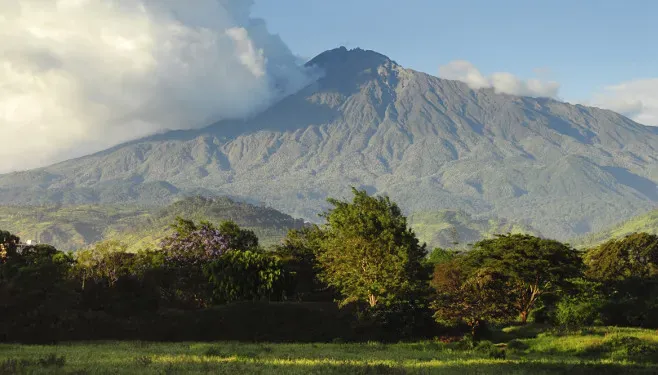
Most of the remaining forest is protected in Amani Nature Reserve, established in 1997. Marked trails of one to several hours lead from the old research station through tall forest to viewpoints and waterfalls. Amani began as a German botanical garden and agricultural institute in 1902, and exotic trees planted then still stand among the native forest.
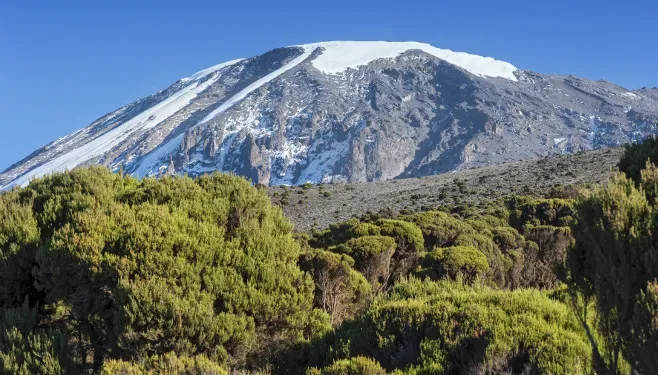
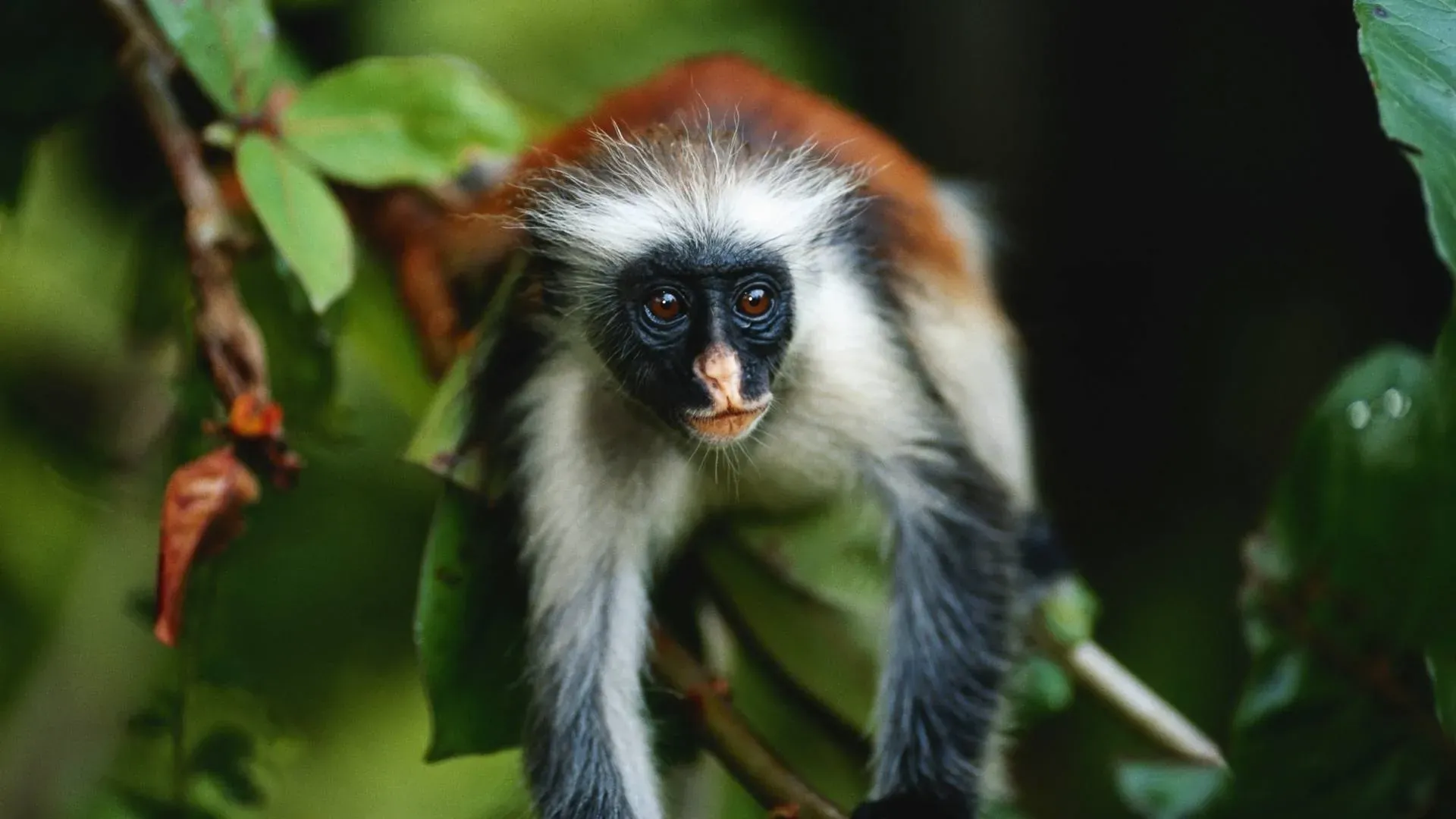
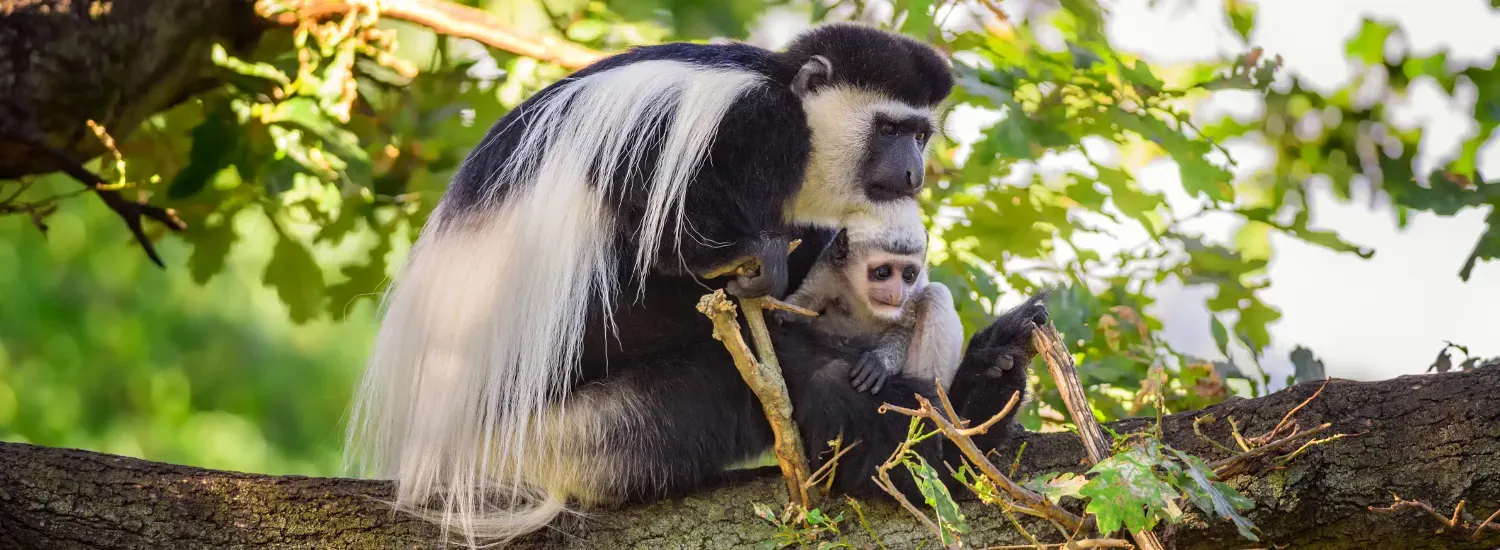
The African violet, a houseplant grown around the world, comes from these mountains and still grows wild on shaded rocks beside streams. Birders come for species such as the Usambara eagle-owl, Amani sunbird and long-billed tailorbird. A night walk with a guide turns up several kinds of chameleon, tree frogs and bushbabies, and black-and-white colobus are easy to see by day. A butterfly-farming project near the reserve gives local families an income from the forest.
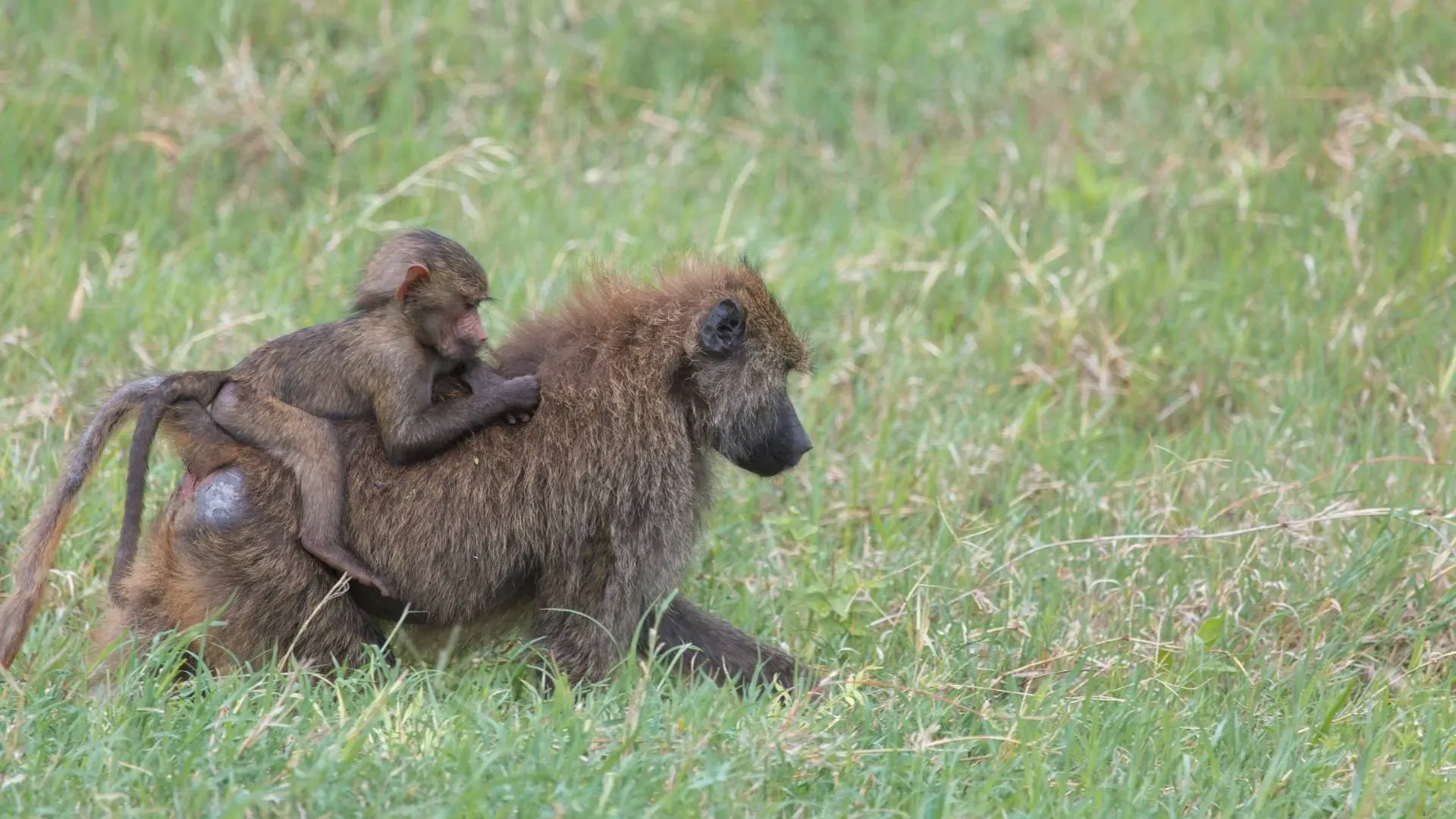
Amani is reached from the town of Muheza, on the road between Tanga and the main highway, by a steep unsealed road of about 35 km. It combines naturally with Tanga, Pangani and Saadani on the coast.
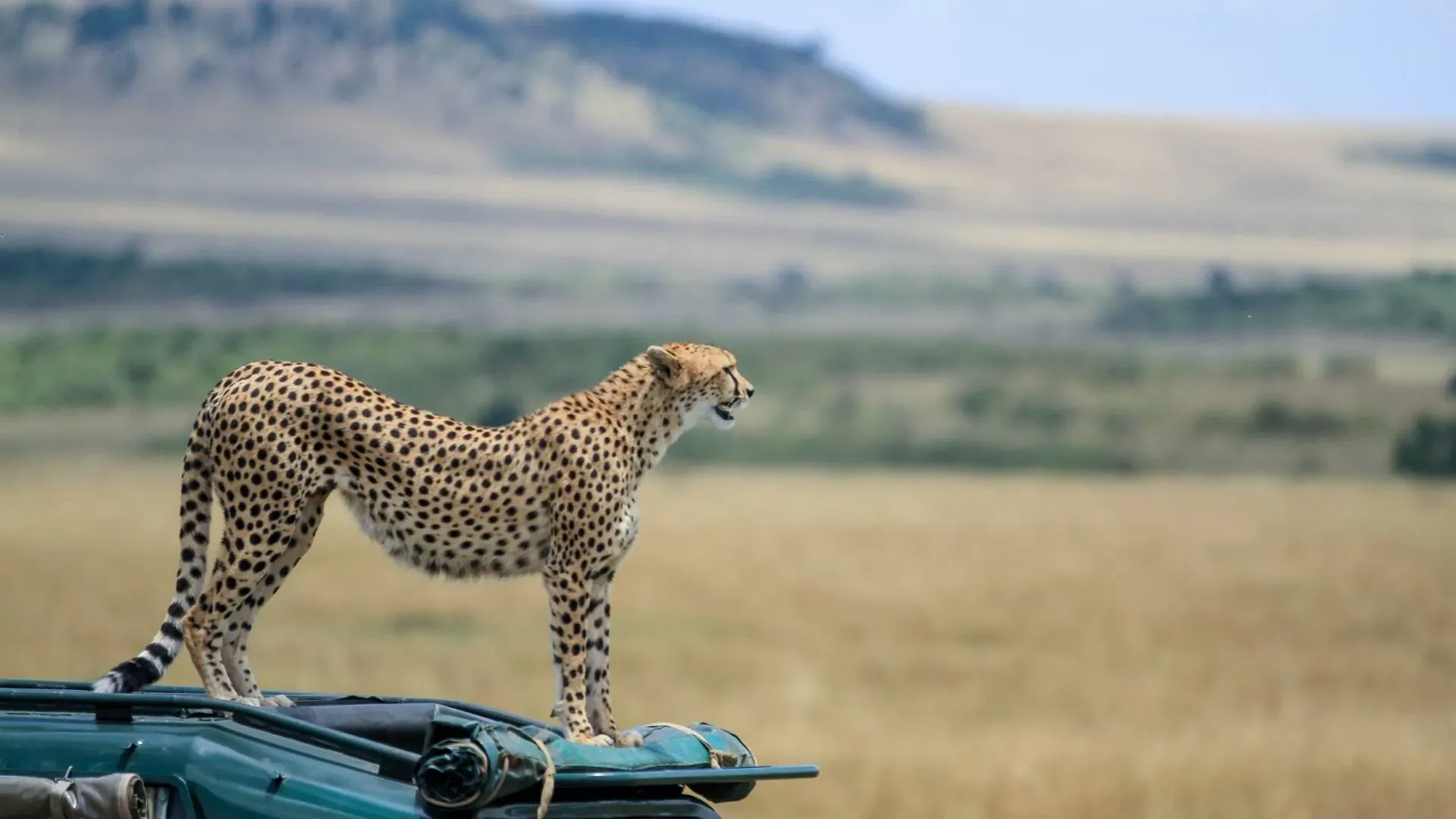
June to October and December to February are the drier periods and the easiest for walking. It can rain in any month. The forest is at its wettest from March to May, when the access road can be difficult.
East Usambara and the other places we travel to nearby.
East Usambara
Sample itineraries. Every trip is private, so we change the days, lodges and pace to suit you.
Wildlife Safari Mkomazi National Park (2) · West Usambara · East Usambara (2) · Saadani National Park (4) · Dar Es Salaam
Our team in Arusha answers in English, French, German and Spanish.
Old rainforest with an unusually high number of species found nowhere else, including wild African violets, rare birds and several chameleons.
The West Usambaras around Lushoto are higher, cooler and best for village-to-village hiking. The East Usambaras are lower and wetter and are visited for rainforest, birds and botany.
Yes. It is one of the top forest birding sites in Tanzania, with several Eastern Arc endemics. A specialist local guide makes a big difference.
Tell us your dates and what you would like to see. A specialist in Arusha sends a route and a clear proposal within 24 hours.
Plan this tripLicensed & trusted
We are a licensed Tanzanian tour operator, working with the national tourism bodies, parks and conservation authorities, and the organisations that look after Kilimanjaro’s porters.






💬 Connect to Live Support
Choose a department to speak with our team:
Our team is currently unavailable
Leave your details and we’ll get back to you shortly.
This session has timed out for your security. Start a new conversation to continue.
AI Safari Agent
Hello! 👋 Need help planning your safari?