
Seeing the Big Five in Tanzania is easier than many people think: a week on the northern circuit through Tarangire, the Serengeti and the Ngorongoro Crater gives you a very good chance of all five. Here is where to look for each one.
The "Big Five" were named by hunters as the five animals most dangerous to pursue on foot: lion, leopard, elephant, Cape buffalo and rhino. Today the term is a wish list for photographers, and northern Tanzania is one of the best places in Africa to complete it.
No single park is best for all five. A route through Tarangire, the Serengeti and Ngorongoro Crater covers them between them, and that is why most first safaris follow it. Here is where to look for each.
Elephant: Tarangire
Elephants live in almost every Tanzanian park, but Tarangire is where you see them in the greatest numbers. In the dry season, from June to October, the Tarangire River is the only permanent water across a large area, and herds from the surrounding Maasai Steppe move in. Seeing several hundred elephants in a day is normal, often digging in the sandy riverbed for water beneath giant baobabs.

The Ngorongoro Crater is known for a small number of old bulls with very large tusks, and Ruaha in the south holds one of the country's largest elephant populations.
Buffalo: almost everywhere
Cape buffalo are the easiest of the five to find. The Ngorongoro Crater floor has herds of several hundred, and they are common in the Serengeti, Tarangire, Lake Manyara and all the southern parks. Older males, known as "dagga boys", often live alone or in small groups near water and are the most unpredictable.
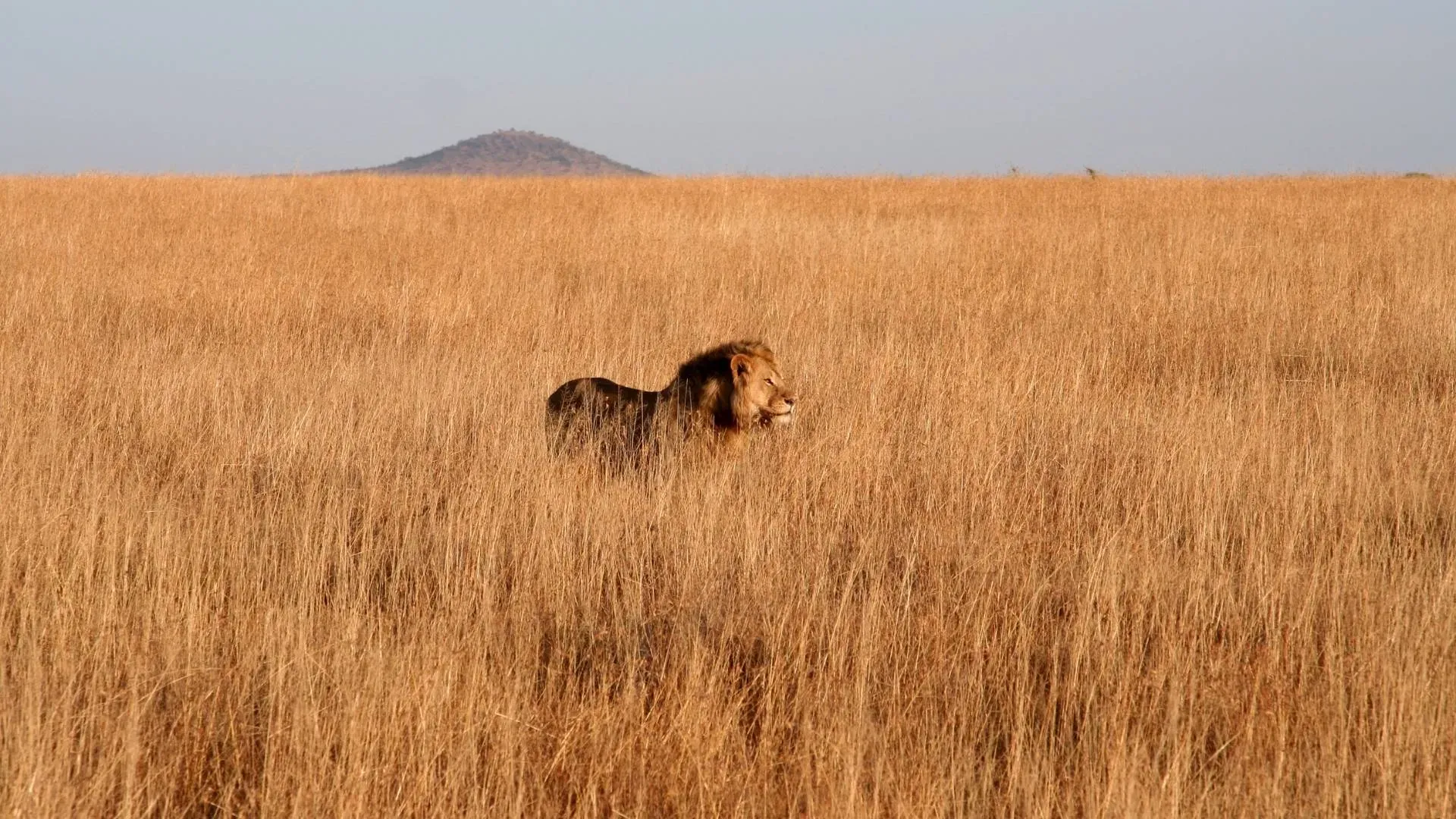
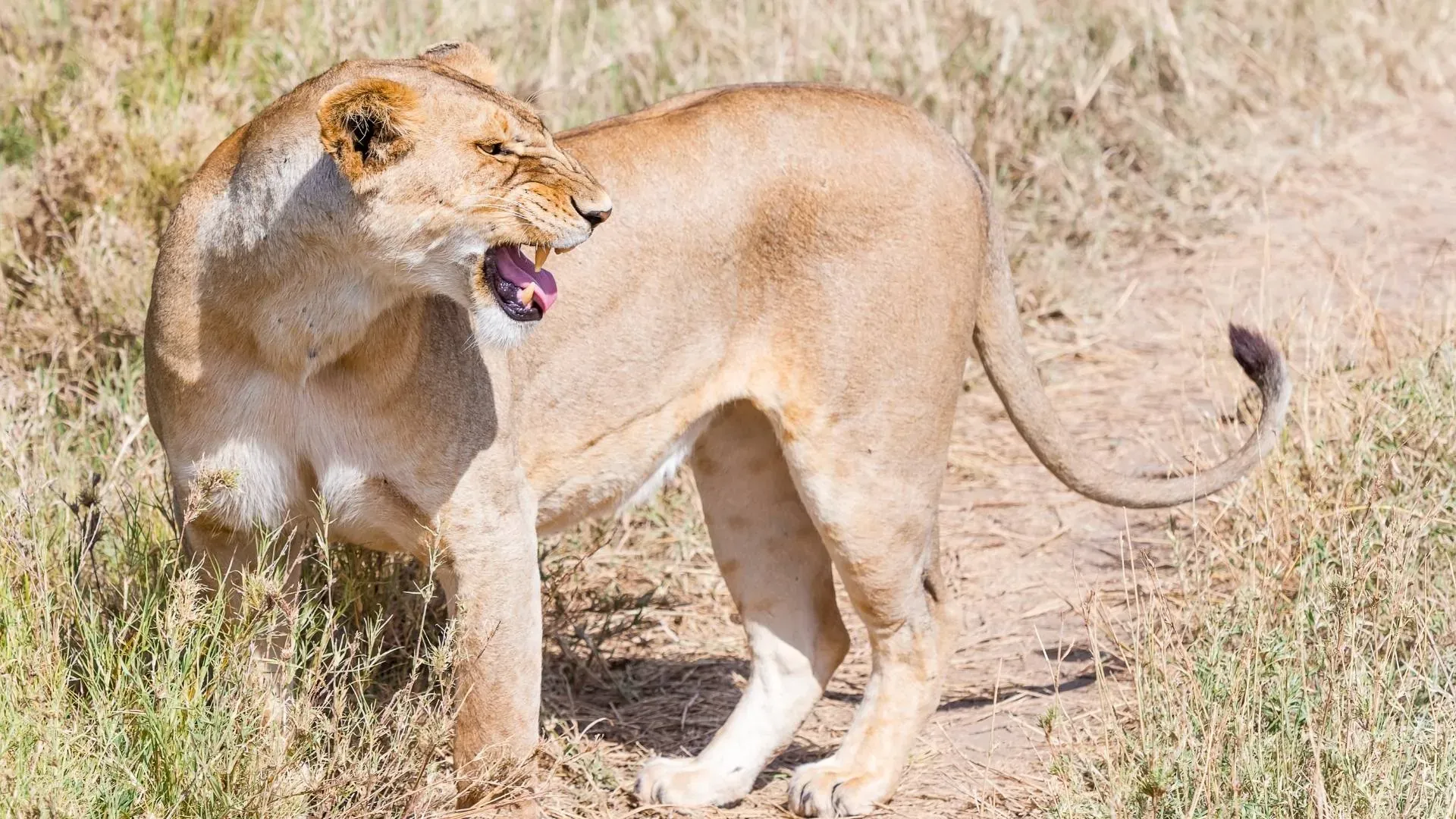
Lion: the Serengeti
The Serengeti has roughly 3,000 lions, one of the largest populations in Africa. Prides in the central Seronera valley are present all year and use the granite kopjes as lookouts and cover for cubs. Ngorongoro Crater has a smaller resident population that is usually easy to find on the open floor.
Lake Manyara's lions are known for climbing trees, but the park has few lions and sightings are occasional. Ruaha, in the south, is known for very large prides.
Leopard: the Seronera River
Leopards are solitary, mostly active at night, and spend the day hidden in trees or thick cover, so they are the hardest of the five to see well. The best place in Tanzania to look is the Seronera River in the central Serengeti, where they often rest along the branches of sausage trees and acacias. Tarangire and Ruaha are also good, and a skilled guide who knows individual territories makes a big difference.
Black rhino: Ngorongoro Crater
Black rhino were poached to the edge of extinction in Tanzania during the 1970s and 1980s, and the remaining population is small and closely protected. The Ngorongoro Crater is the most reliable place to see them: a few dozen live on the crater floor, and they are usually spotted grazing on open grassland in the early morning, often at a distance, so binoculars help.

A small number live in the Serengeti around the Moru Kopjes, and Mkomazi National Park has a fenced sanctuary where sightings are very likely on a booked visit. There are no white rhino in the wild in Tanzania.
How long do you need?
A route that includes Tarangire, two nights in the Serengeti and Ngorongoro Crater, usually six to eight days in all, gives you a realistic chance of all five. Leopard and rhino are never guaranteed, and an extra night in the Serengeti improves the odds for leopard more than anything else.
Tips for a Big Five safari
- Go in the dry season. From June to October the bush is thin and animals concentrate near water.
- Start early. Predators are most active at dawn, and you reach sightings before other vehicles.
- Bring binoculars. Rhino and leopard are often seen at a distance.
- Look beyond the list. Cheetah, giraffe, hippo, wild dog and hundreds of bird species are just as memorable.
Keep reading: follow the wildebeest migration, compare the Serengeti vs Masai Mara, or browse our wildlife safaris. The Ngorongoro Crater is managed by the Ngorongoro Conservation Area Authority.