 Wildlife Safari Popular
8-Day Tanzania Safari with Lake Eyasi & Maasai Culture
Arusha · Tarangire National Park · Central Serengeti (2) · Ngorongoro Crater · Lake Eyasi · +1 more
 Read
Tanzania Visa Guide 2026: e-Visa, Costs and Entry Rules
Explore Destination · Tanzania
Plan a Serengeti safari: where the wildebeest migration is each month, which region to stay in, how to get there from Arusha and when to go.
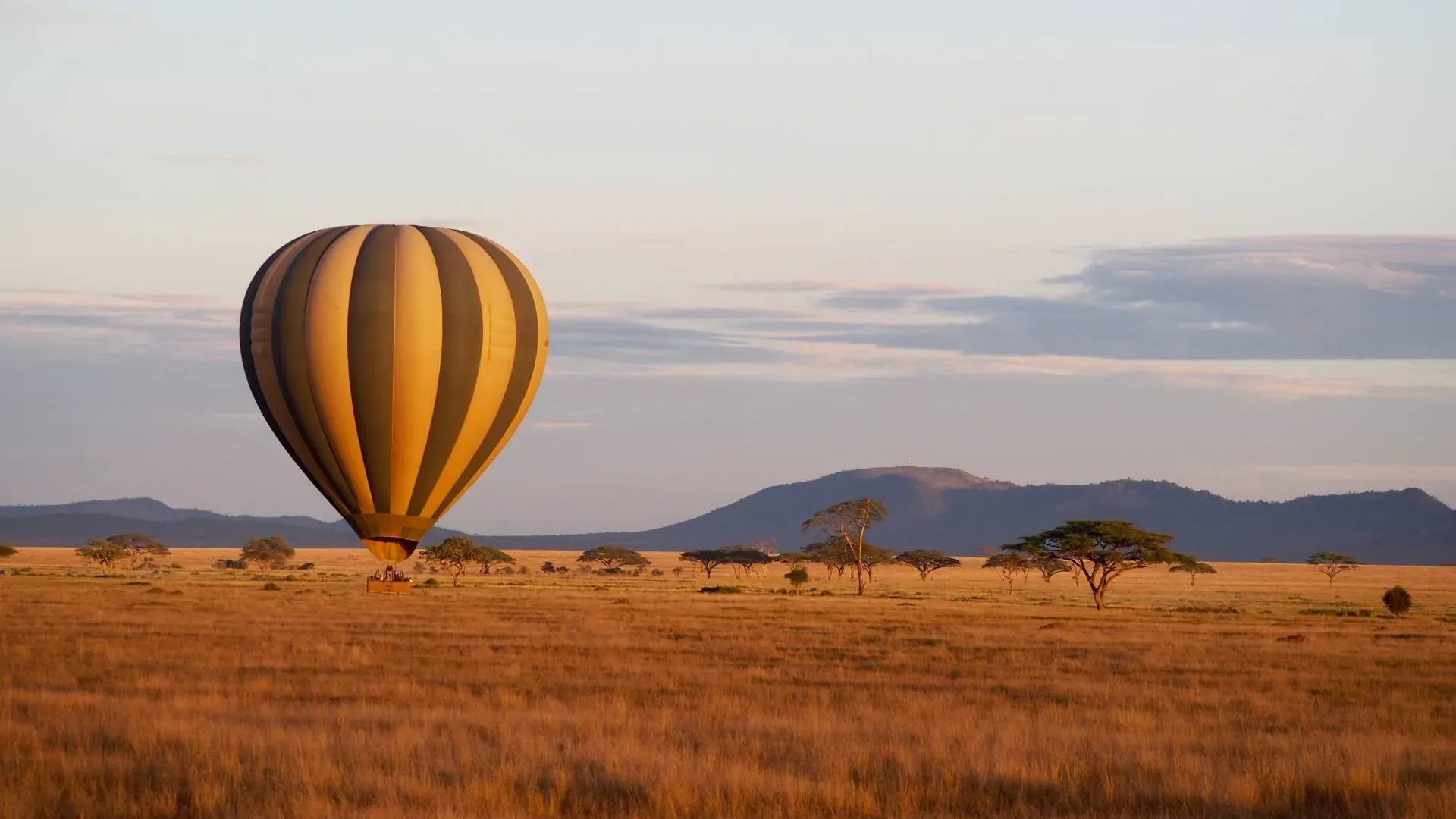
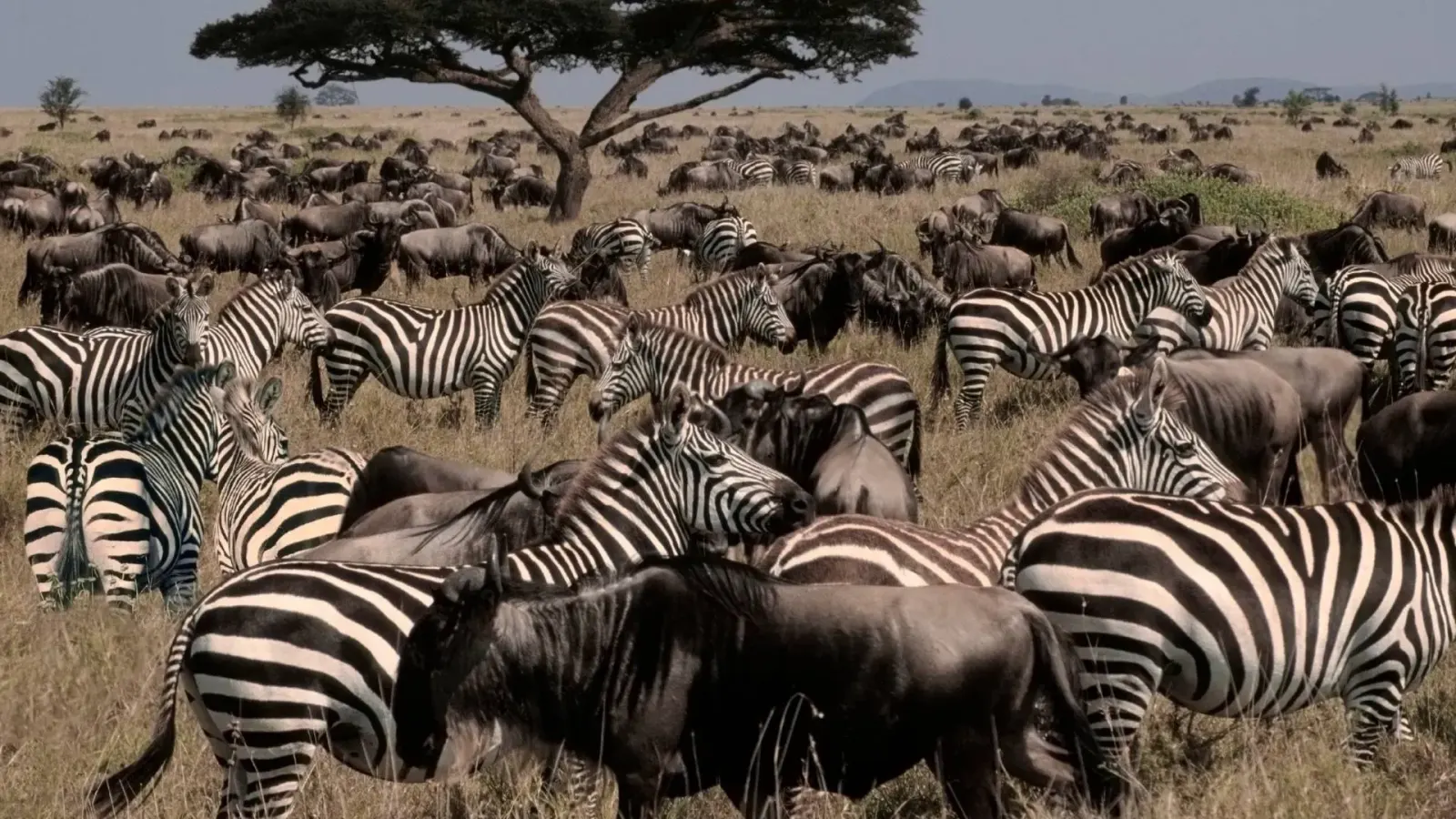
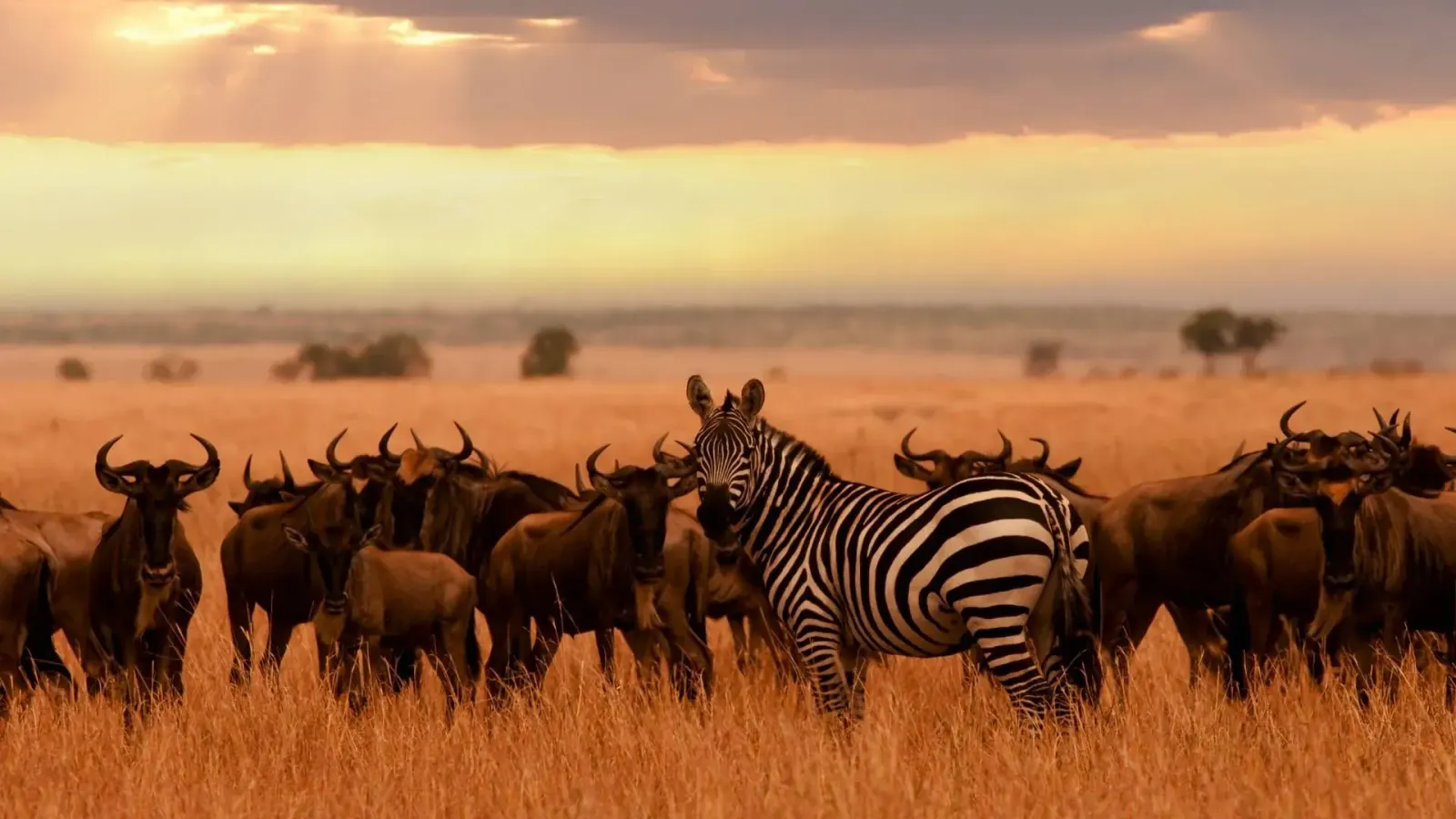
Serengeti National Park covers 14,763 km² of northern Tanzania and holds the largest remaining land migration on the planet: about 1.3 million wildebeest and more than 200,000 zebra moving in a year-long loop after the rain. The park has been a UNESCO World Heritage Site since 1981, and its name comes from the Maa word siringet, usually translated as "the place where the land runs on forever".
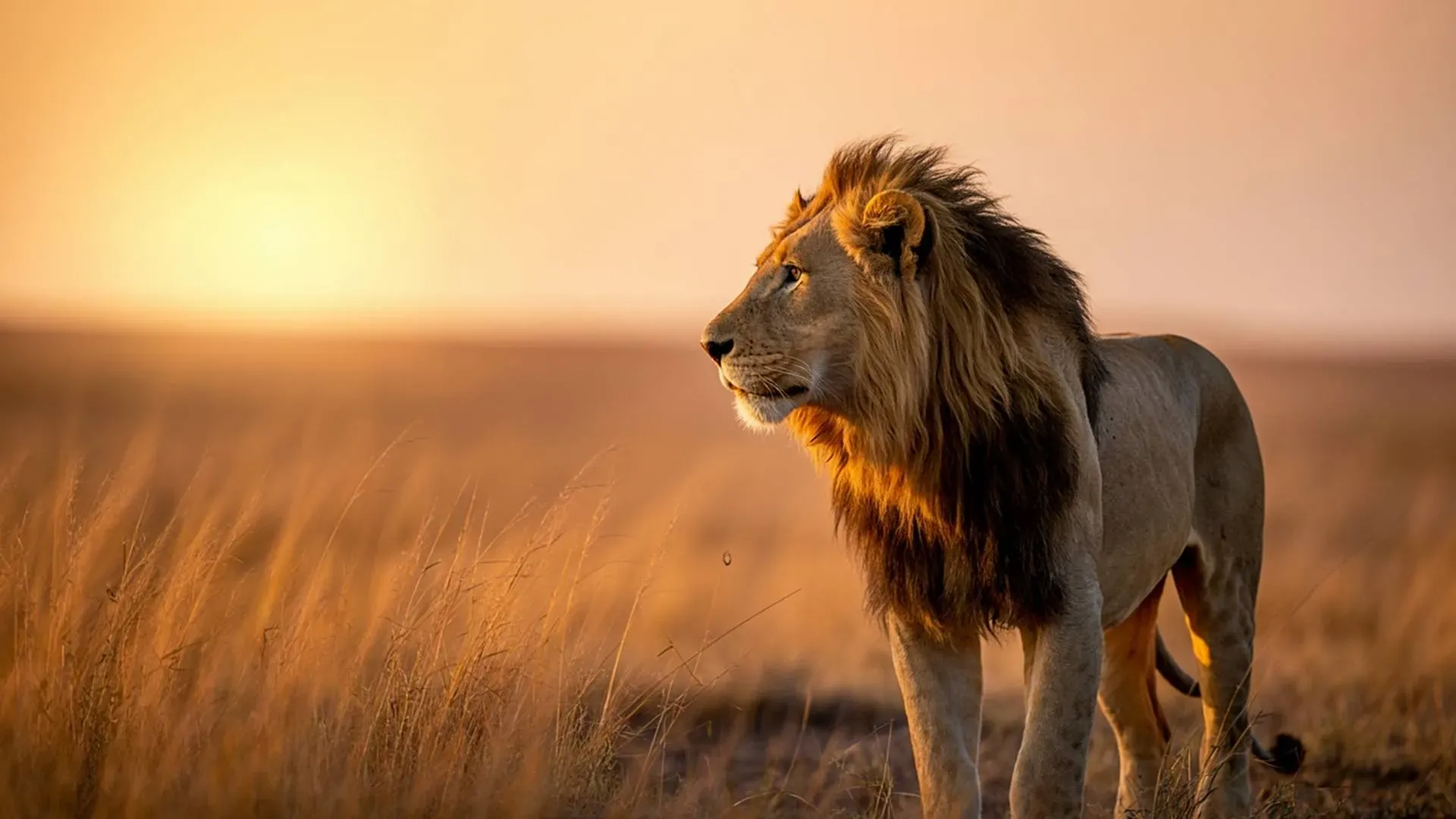
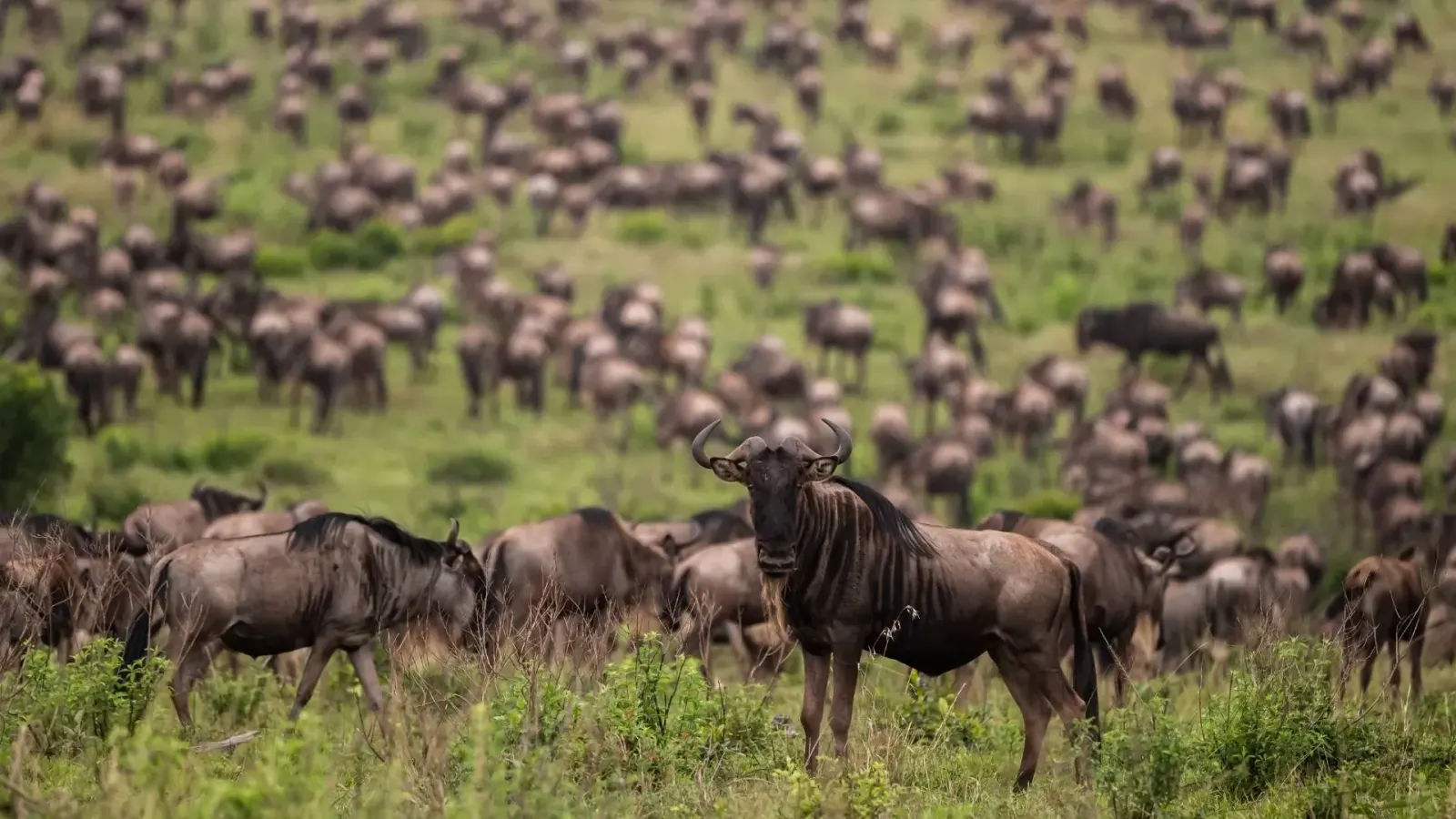
Where you stay matters more here than in almost any other park. The central Seronera valley has permanent water and resident lion, leopard and cheetah all year. The southern plains around Ndutu fill with calving wildebeest from December to March. The Western Corridor sees the herds bunch up along the Grumeti River in May and June. The north, around Kogatende and the Mara River, is where the river crossings happen between July and October.
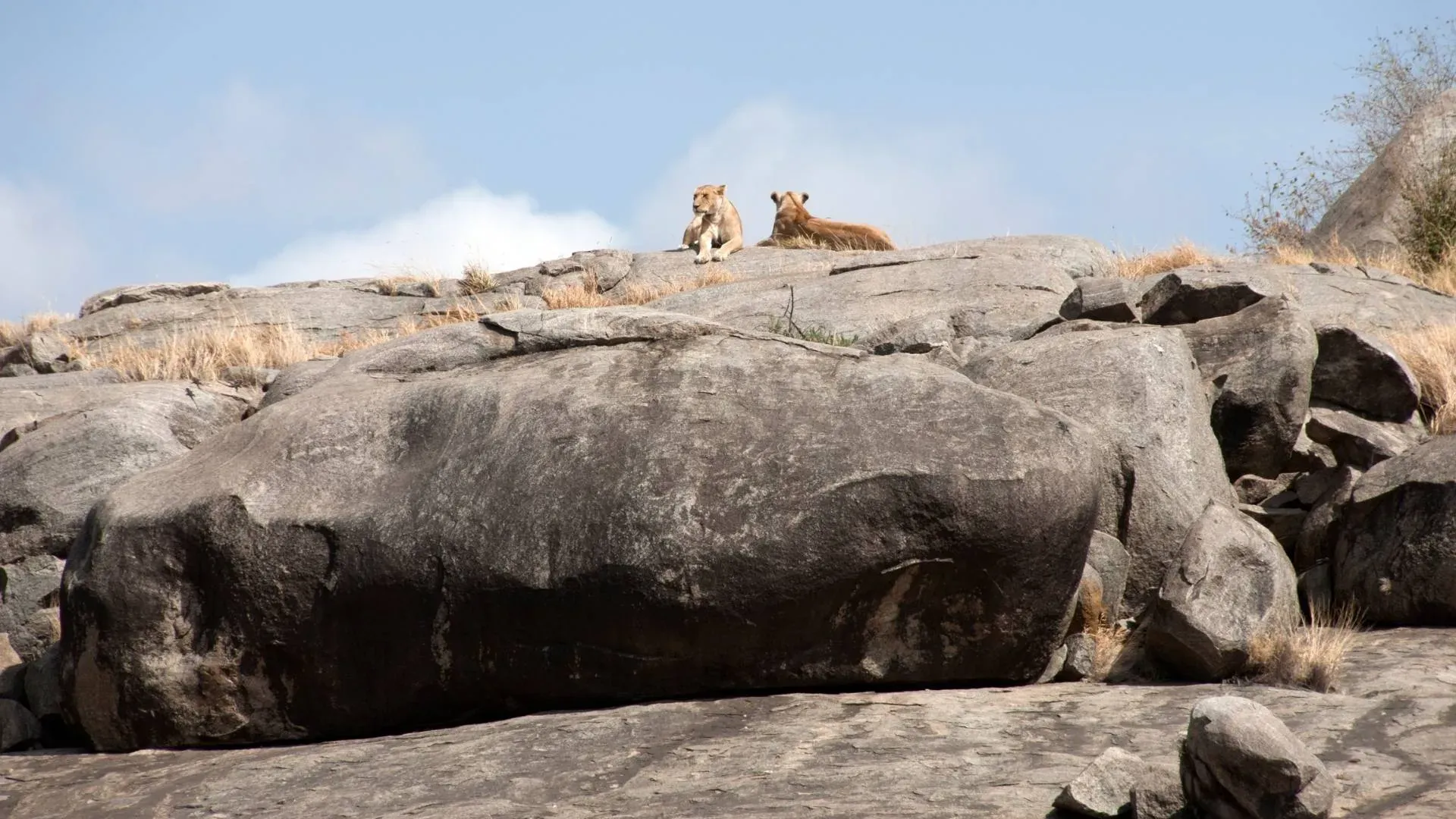
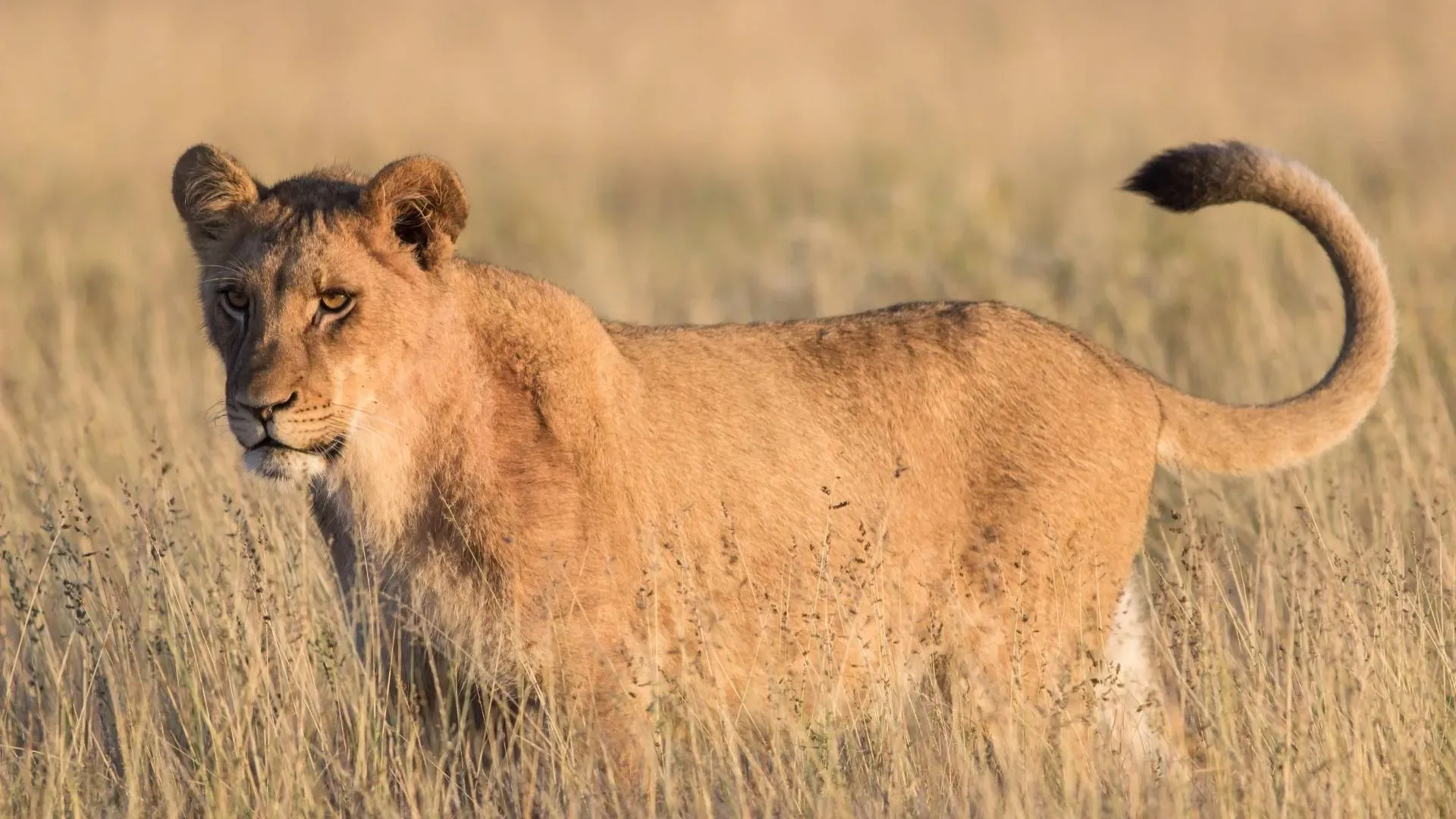
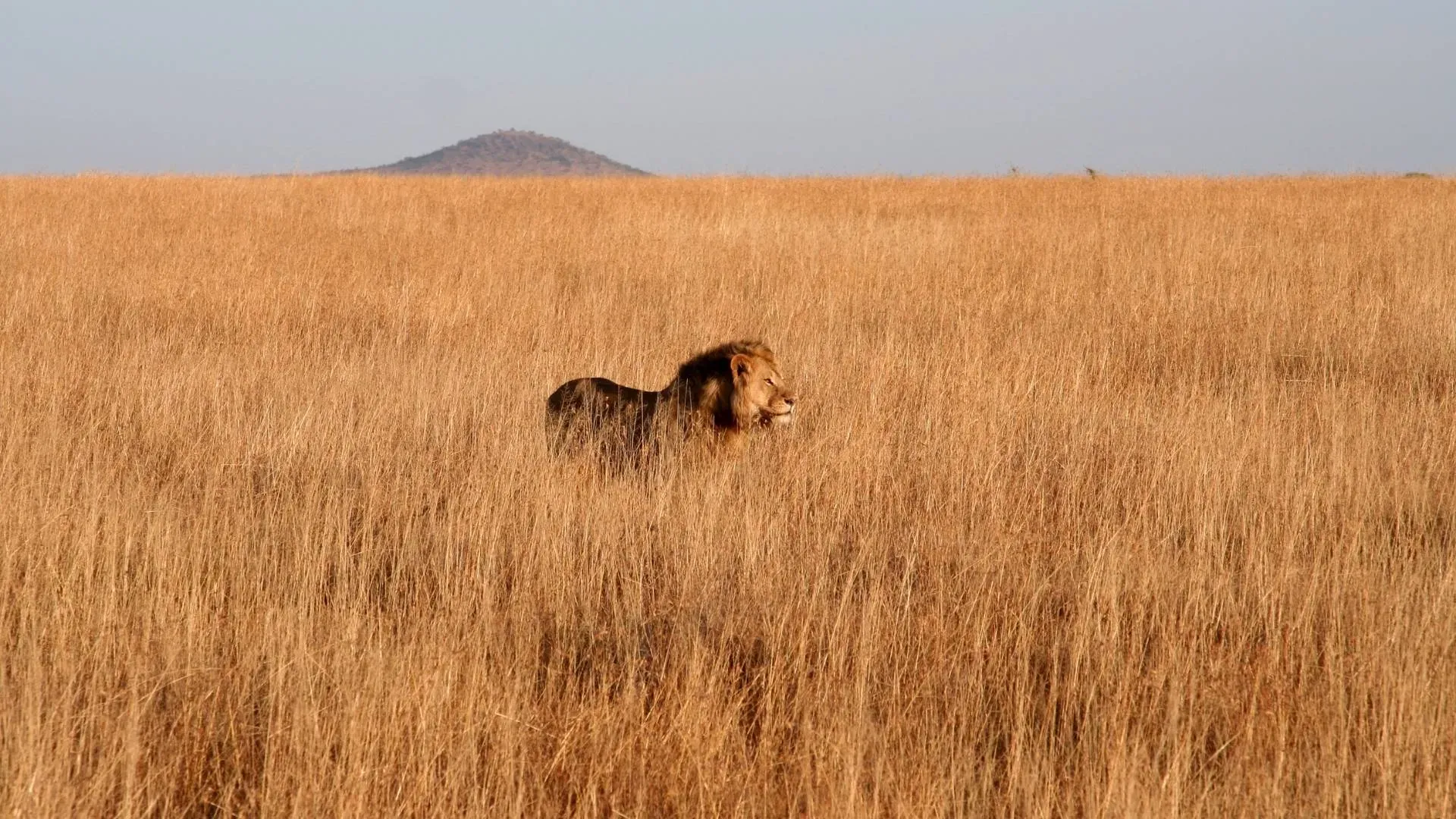
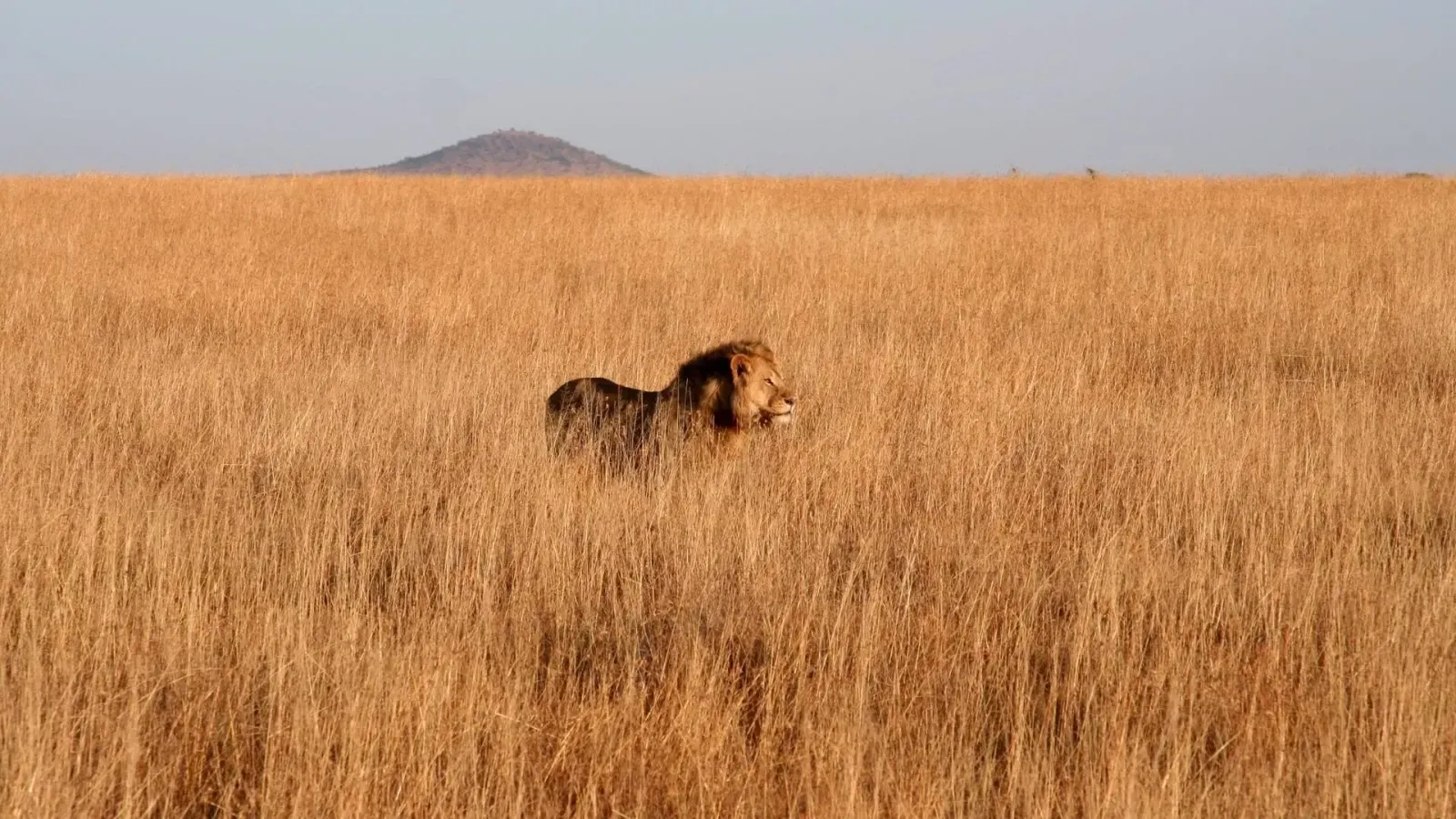
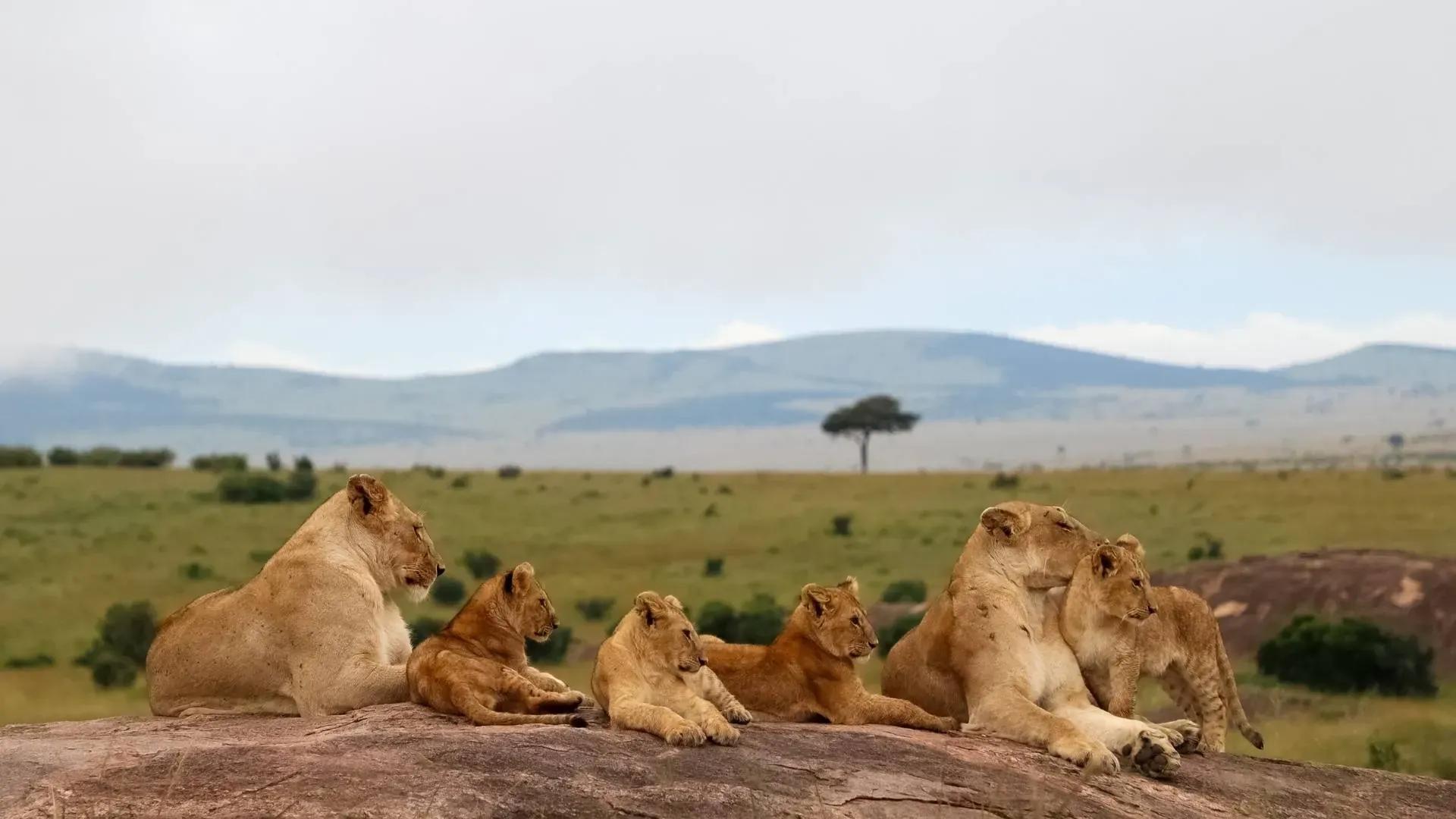
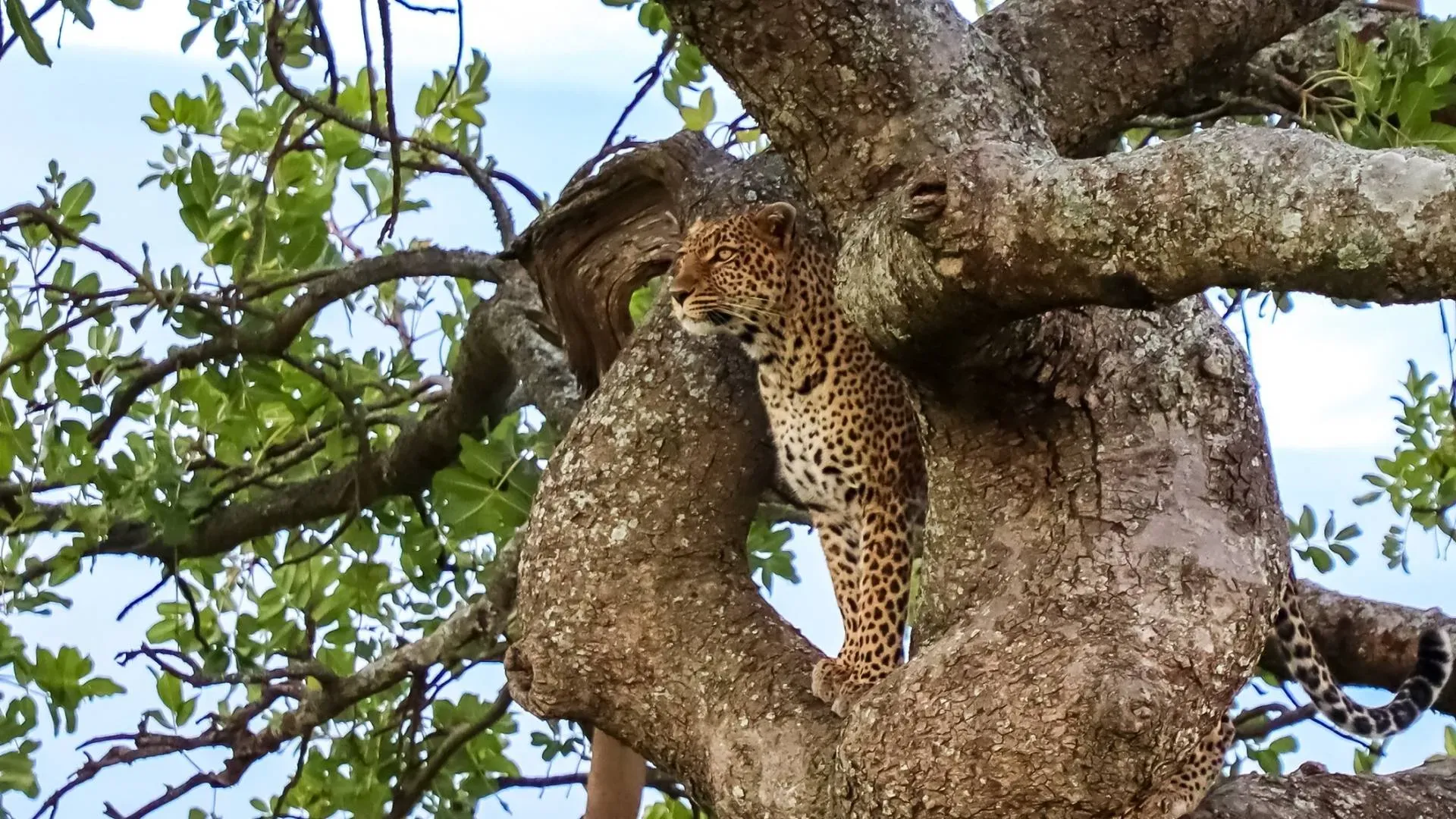
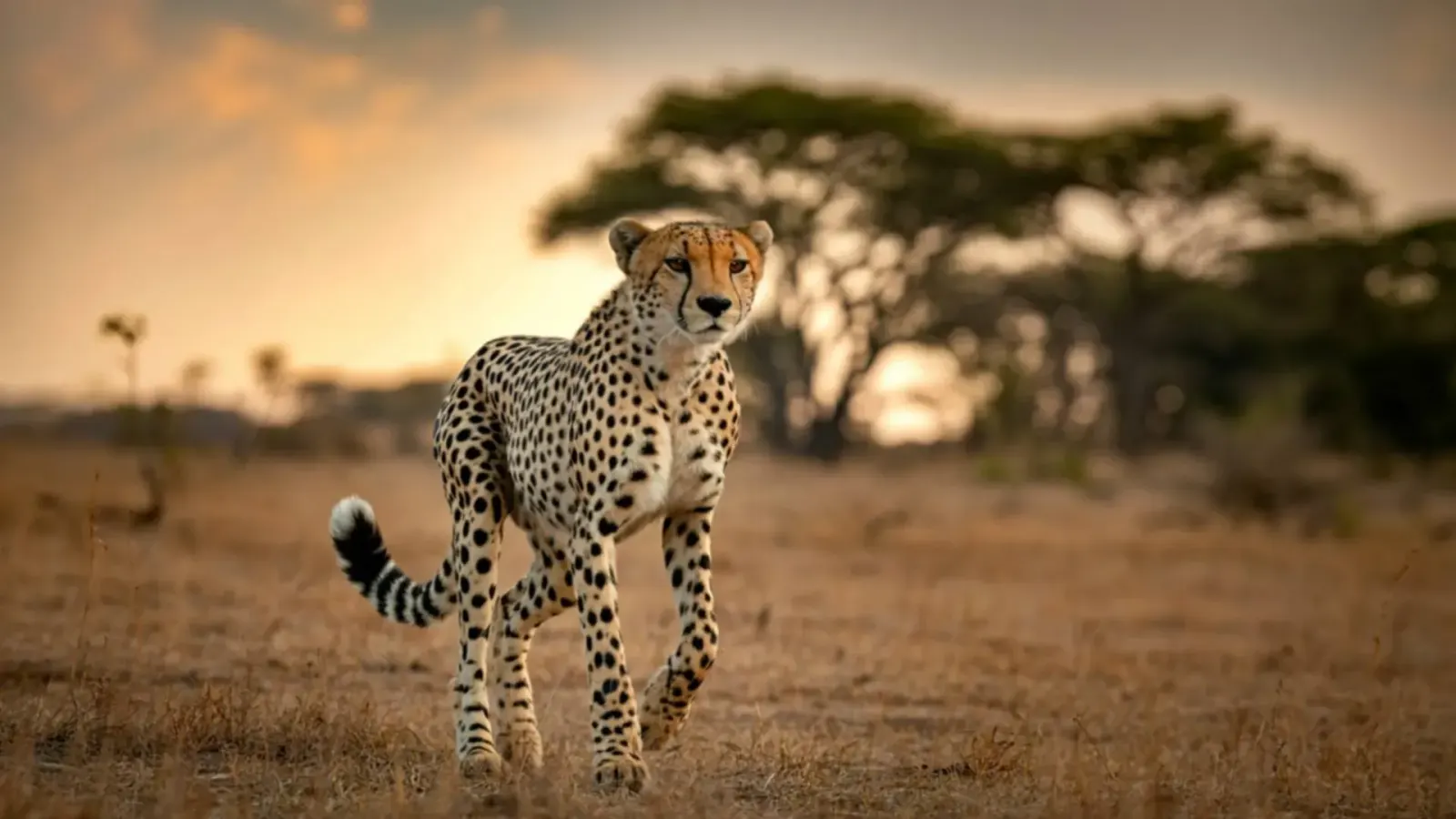
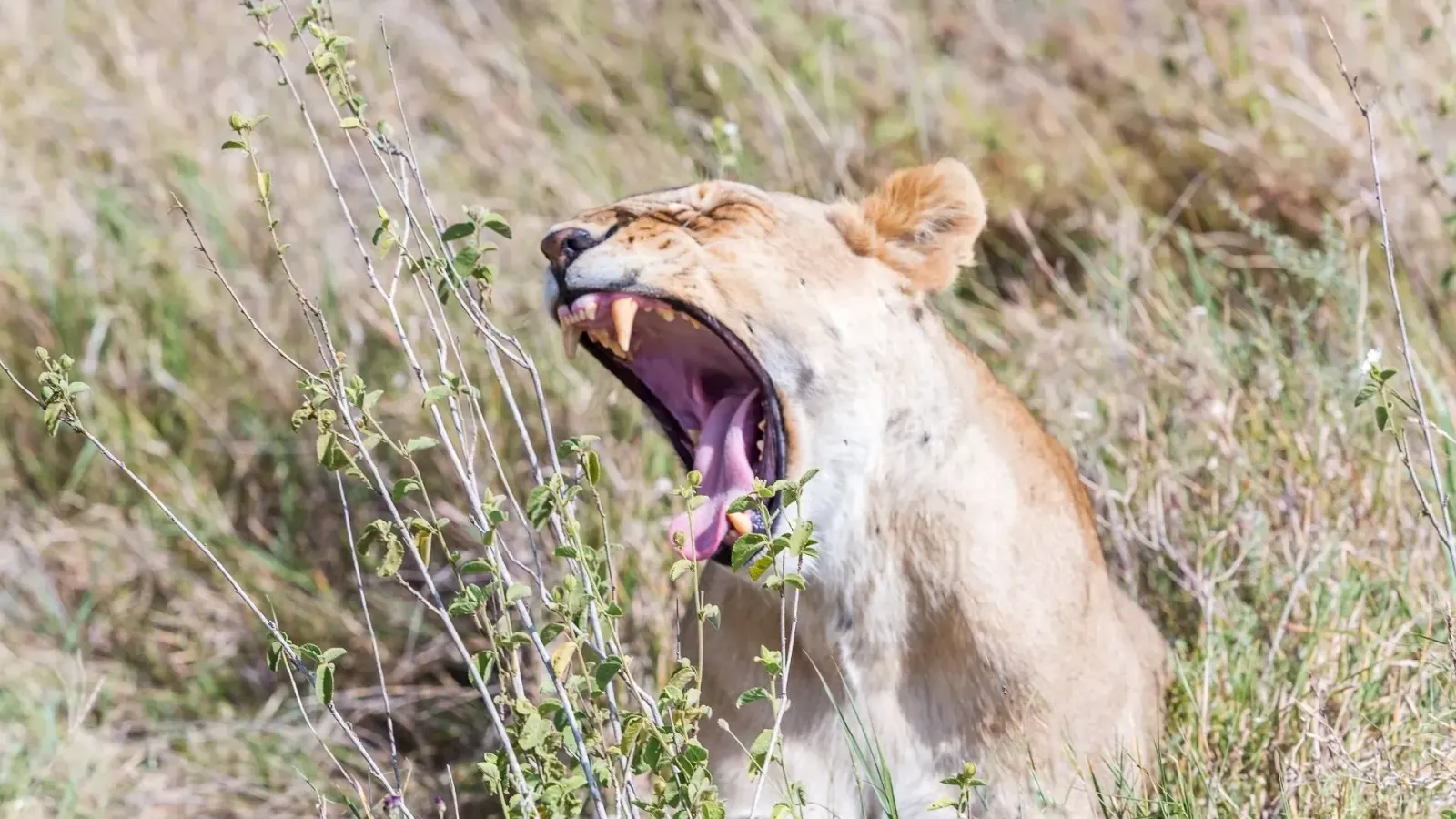
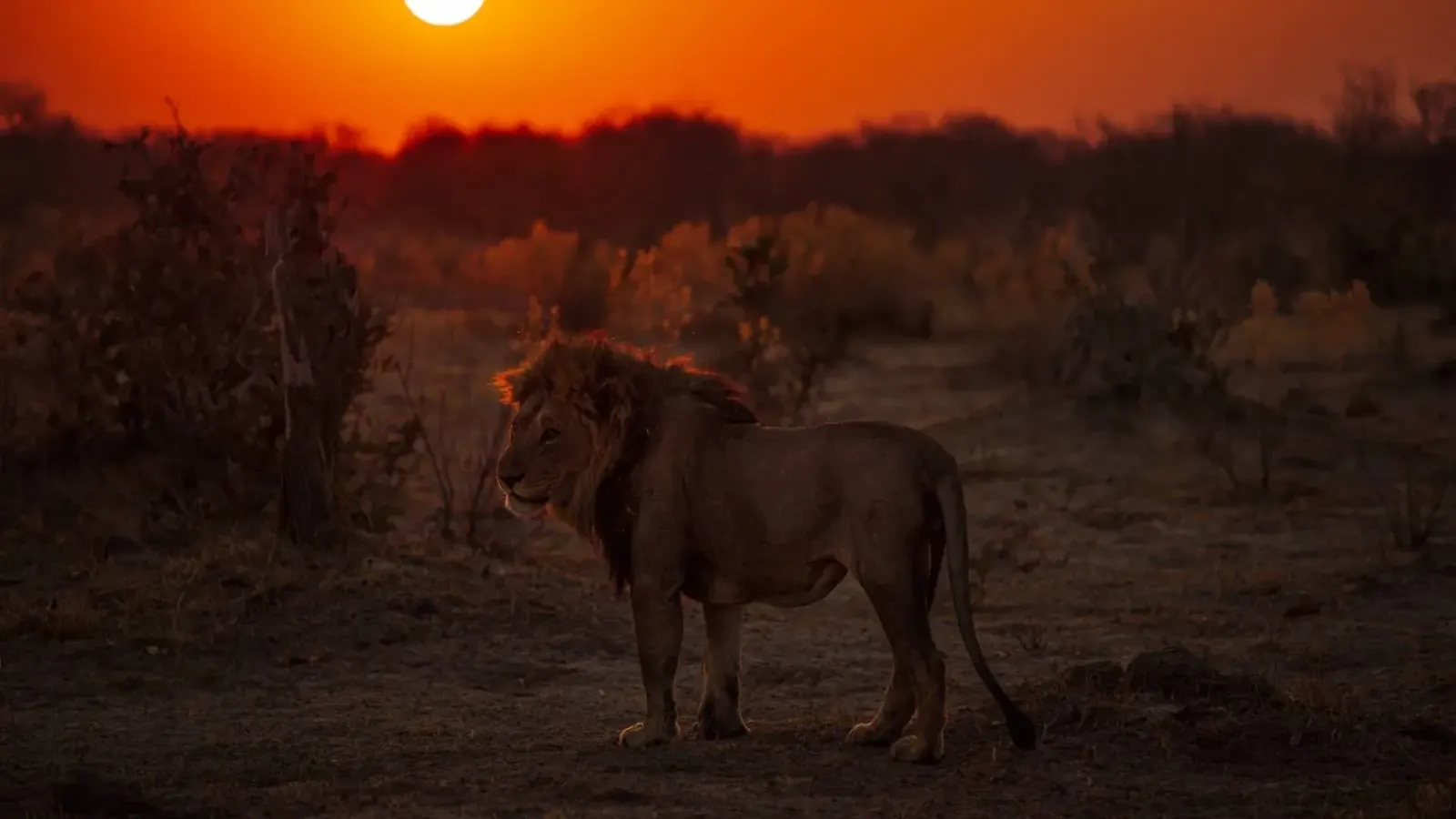
The Serengeti supports roughly 3,000 lions, one of the largest populations in Africa, along with leopard along the Seronera River, cheetah on the open eastern plains, large clans of spotted hyena, and more than 500 recorded bird species. Black rhino survive in small numbers around the Moru Kopjes. The granite outcrops called kopjes are worth slow, careful scanning: lions use them as lookouts and cubs are often hidden in the rocks.
From Arusha it is about 320 km to Seronera, a full day by road that most itineraries break with a night in Karatu or at Ngorongoro. Scheduled light aircraft fly from Arusha to several Serengeti airstrips in around an hour, which is the practical choice for the far north.
The Serengeti works in every month; what changes is where you should be. June to October is dry, with thin vegetation and the Mara River crossings in the north from July. December to March puts the herds on the southern plains, with calving peaking in February. April and May bring the long rains: some camps close and tracks get muddy, but rates drop sharply and the central Serengeti still has its resident cats.
Serengeti National Park and the other places we travel to nearby.
Serengeti National Park
Sample itineraries. Every trip is private, so we change the days, lodges and pace to suit you.
Wildlife Safari Popular Arusha · Tarangire National Park · Central Serengeti (2) · Ngorongoro Crater · Lake Eyasi · +1 more
 Great Migration Popular
Arusha · Tarangire National Park · Central Serengeti (2) · Ngorongoro Crater · Lake Eyasi · +1 more
 Beach & Island Popular
Zanzibar (2) · Tarangire National Park · Central Serengeti (2) · Ngorongoro Crater · Lake Eyasi
 Great Migration Popular
Zanzibar (3) · Serengeti National Park (2) · Karatu · Lake Eyasi
 Beach & Island Popular
Arusha · Tarangire National Park · Central Serengeti (3) · Zanzibar (3) · Stone Town
 Cultural Immersion Popular
Arusha (2) · Tarangire National Park · Ngorongoro Crater (2) · Central Serengeti (3) · Lake Manyara National Park (2)
 Wildlife Safari Best Value
Arusha · Tarangire National Park · Lake Manyara National Park · Central Serengeti (2) · Ngorongoro Crater (2)
 Honeymoon Safari Romantic
 Wildlife Safari Popular
Arusha Town · Tarangire National Park · Serengeti National Park (2) · Ngorongoro Crater
Our team in Arusha answers in English, French, German and Spanish.
Three nights is the practical minimum because the park is so large and the drive in from Arusha takes most of a day. Four or five nights lets you combine two regions, for example central Seronera with the north or the southern plains.
The herds are inside the Serengeti ecosystem all year. They calve on the southern plains from December to March, move through the centre and Western Corridor from April to June, and cross the Mara River in the north between July and October before heading south again in November.
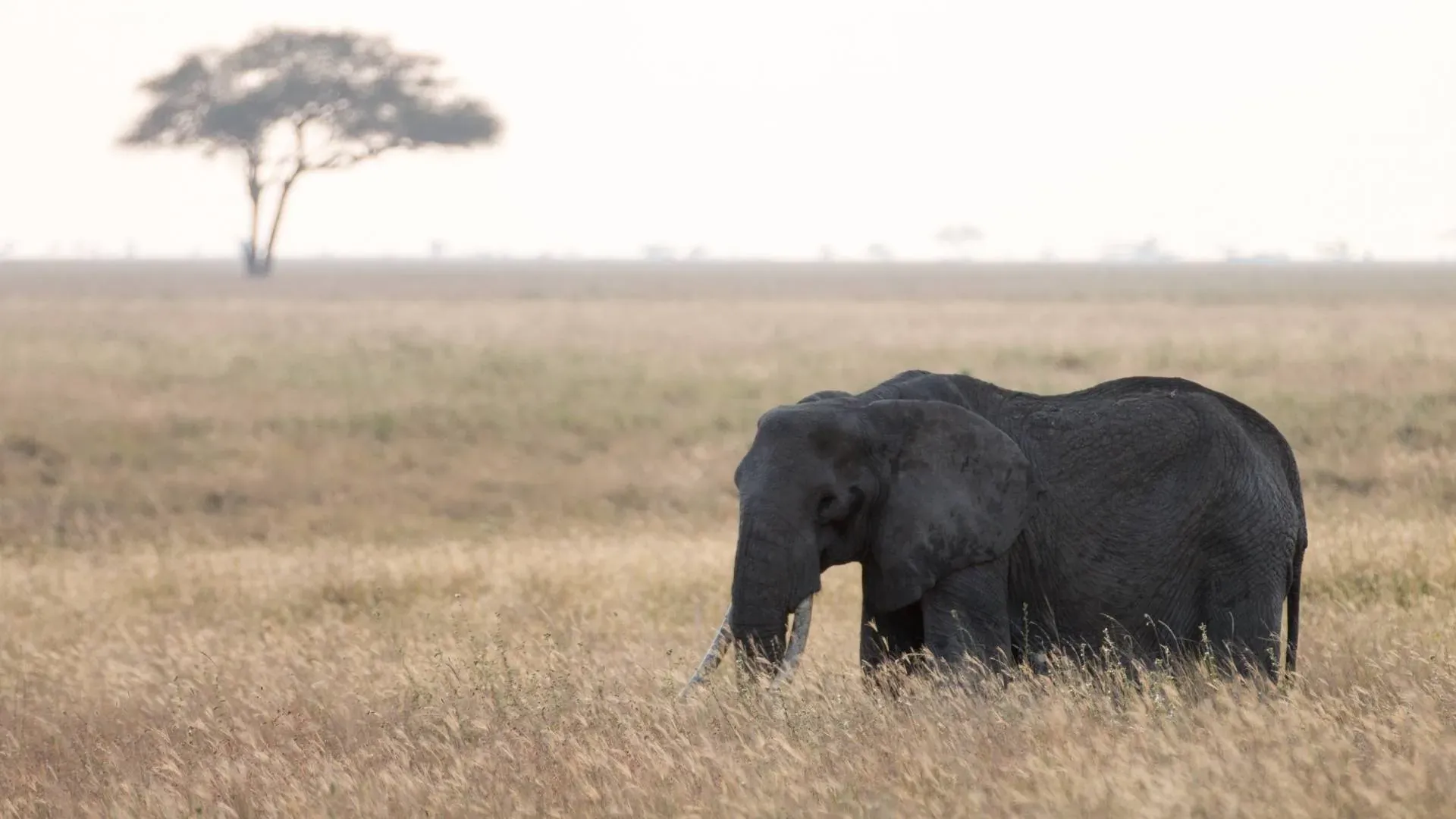
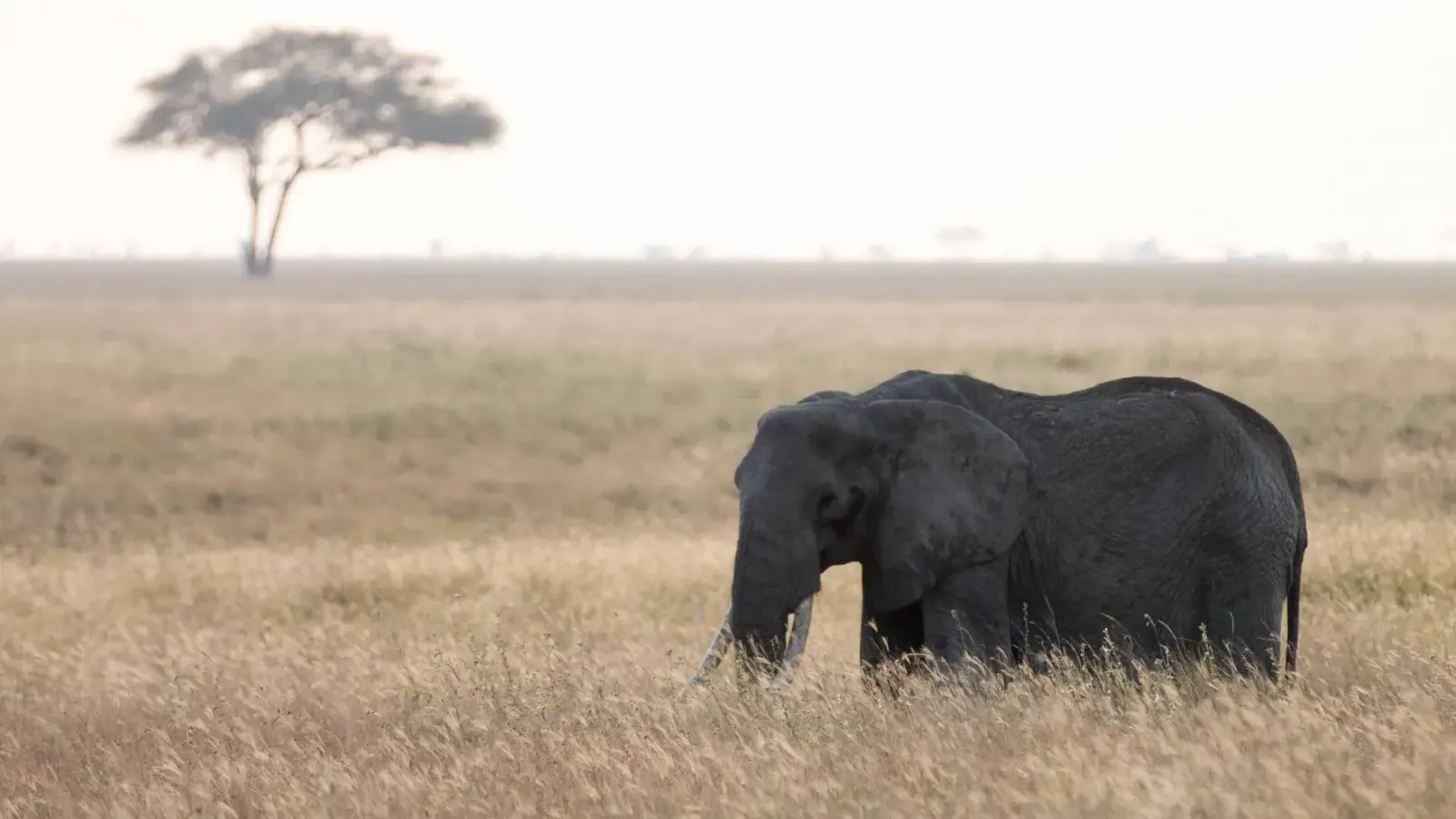
Lion, leopard, elephant and buffalo are seen regularly. Black rhino live in the park but are scarce and hard to find, so most travellers add Ngorongoro Crater, where rhino sightings are far more likely.
Driving is cheaper and lets you visit Tarangire, Lake Manyara and Ngorongoro on the way. Flying takes about an hour from Arusha and saves a full day each way, which matters most for the northern Serengeti.
Tell us your dates and what you would like to see. A specialist in Arusha sends a route and a clear proposal within 24 hours.
Plan this tripLicensed & trusted
We are a licensed Tanzanian tour operator, working with the national tourism bodies, parks and conservation authorities, and the organisations that look after Kilimanjaro’s porters.





💬 Connect to Live Support
Choose a department to speak with our team:
Our team is currently unavailable
Leave your details and we’ll get back to you shortly.
This session has timed out for your security. Start a new conversation to continue.
AI Safari Agent
Hello! 👋 Need help planning your safari?