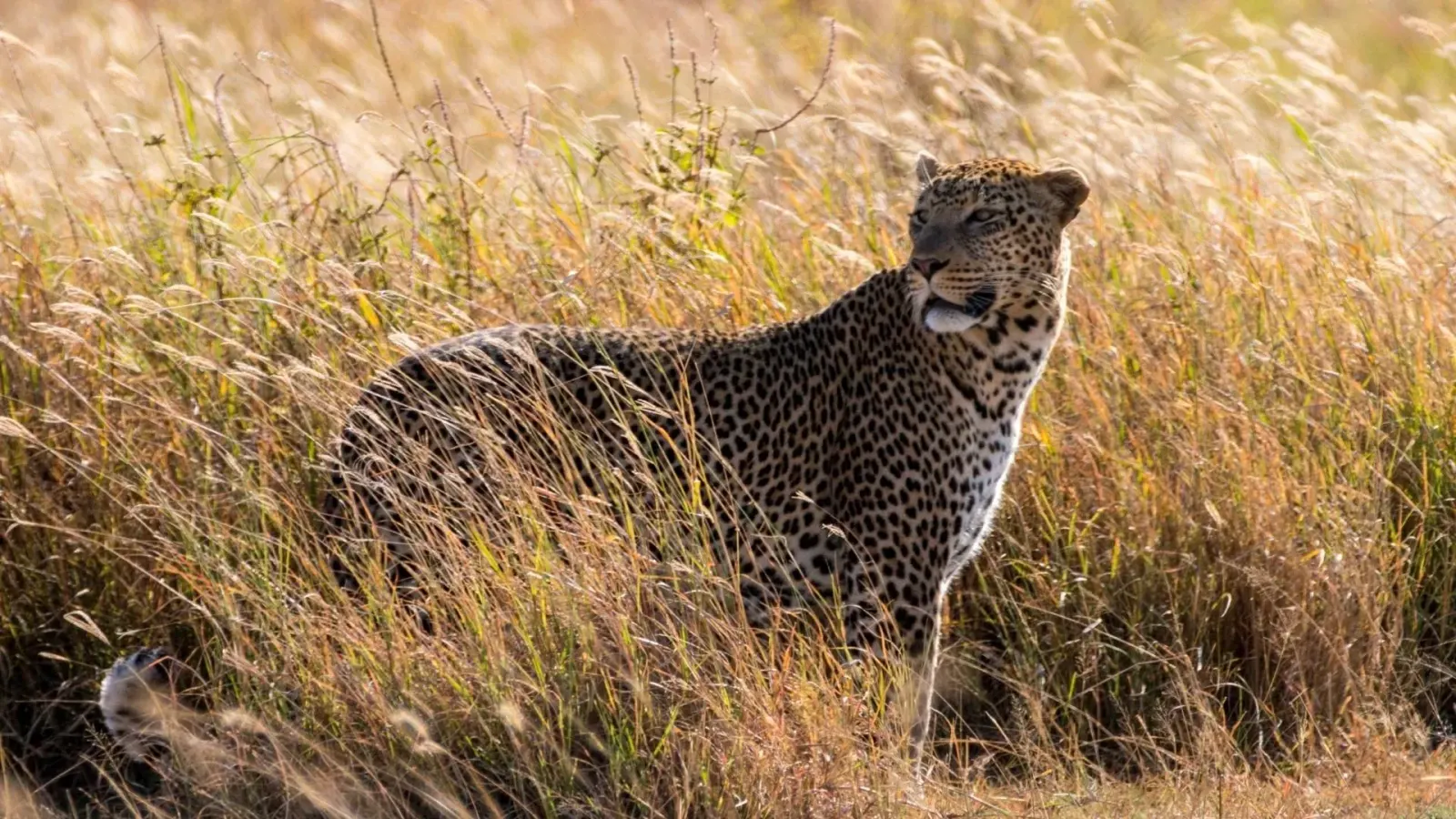
 Photography Safari
13-Day Photography Safari in Tanzania
Arusha · Tarangire National Park (2) · Lake Manyara National Park · Lake Eyasi · Ngorongoro Crater (2) · +3 more
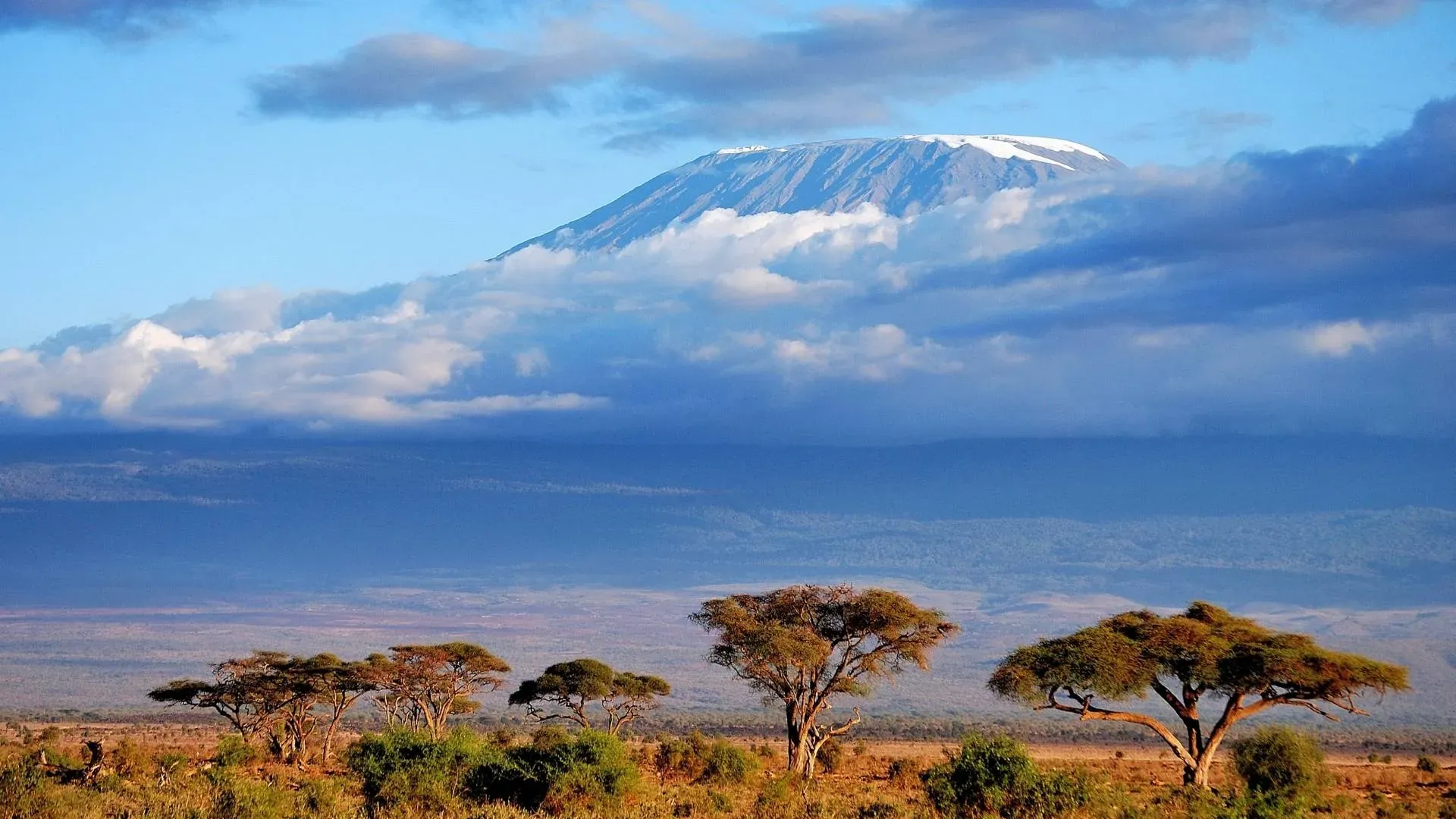 Read
Tanzania Visa Guide 2026: e-Visa, Costs and Entry Rules
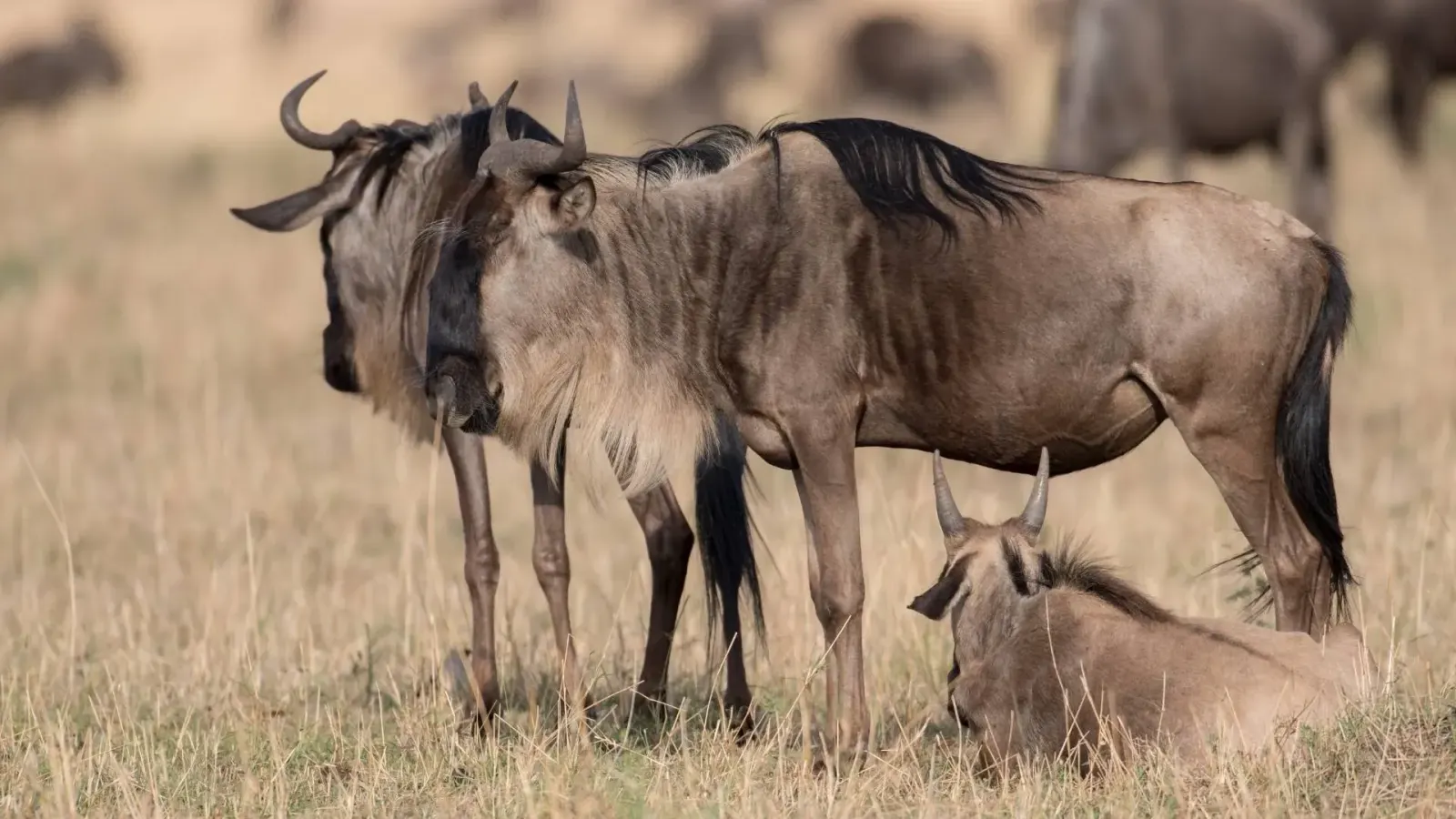
Explore Destination · Tanzania
Ndutu calving season: Ndutu is the woodland and short-grass country around Lake Ndutu and Lake Masek, on the boundary between the southern Serengeti.
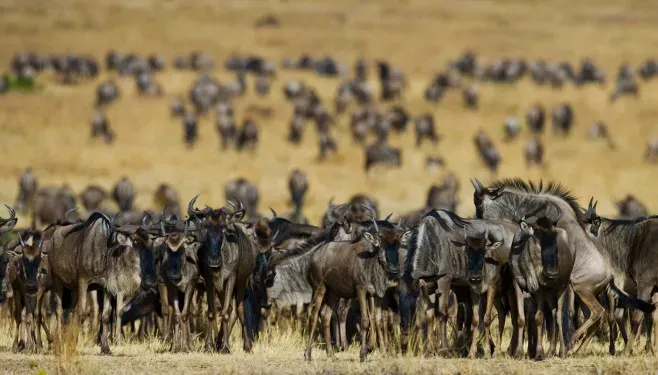
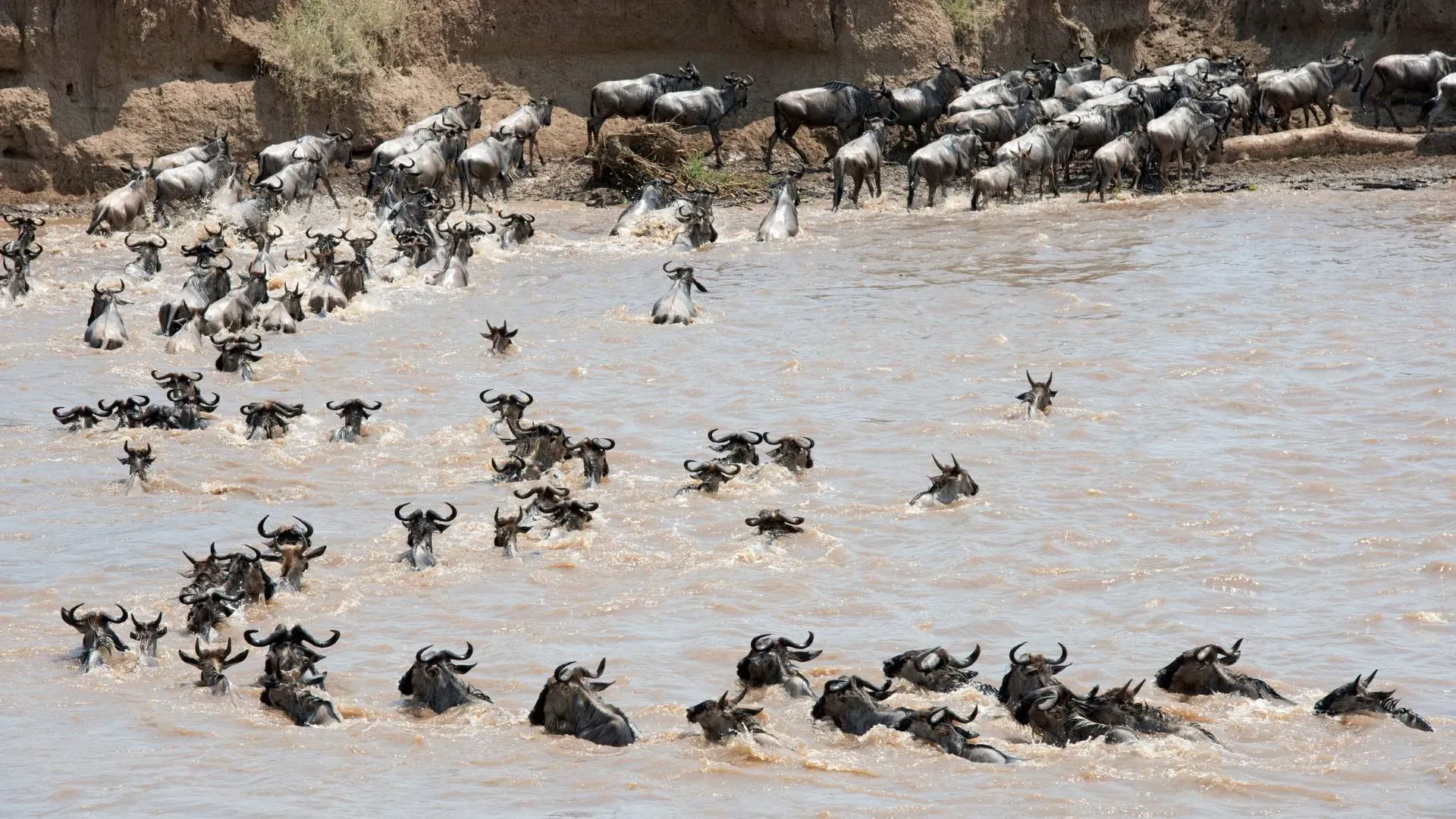
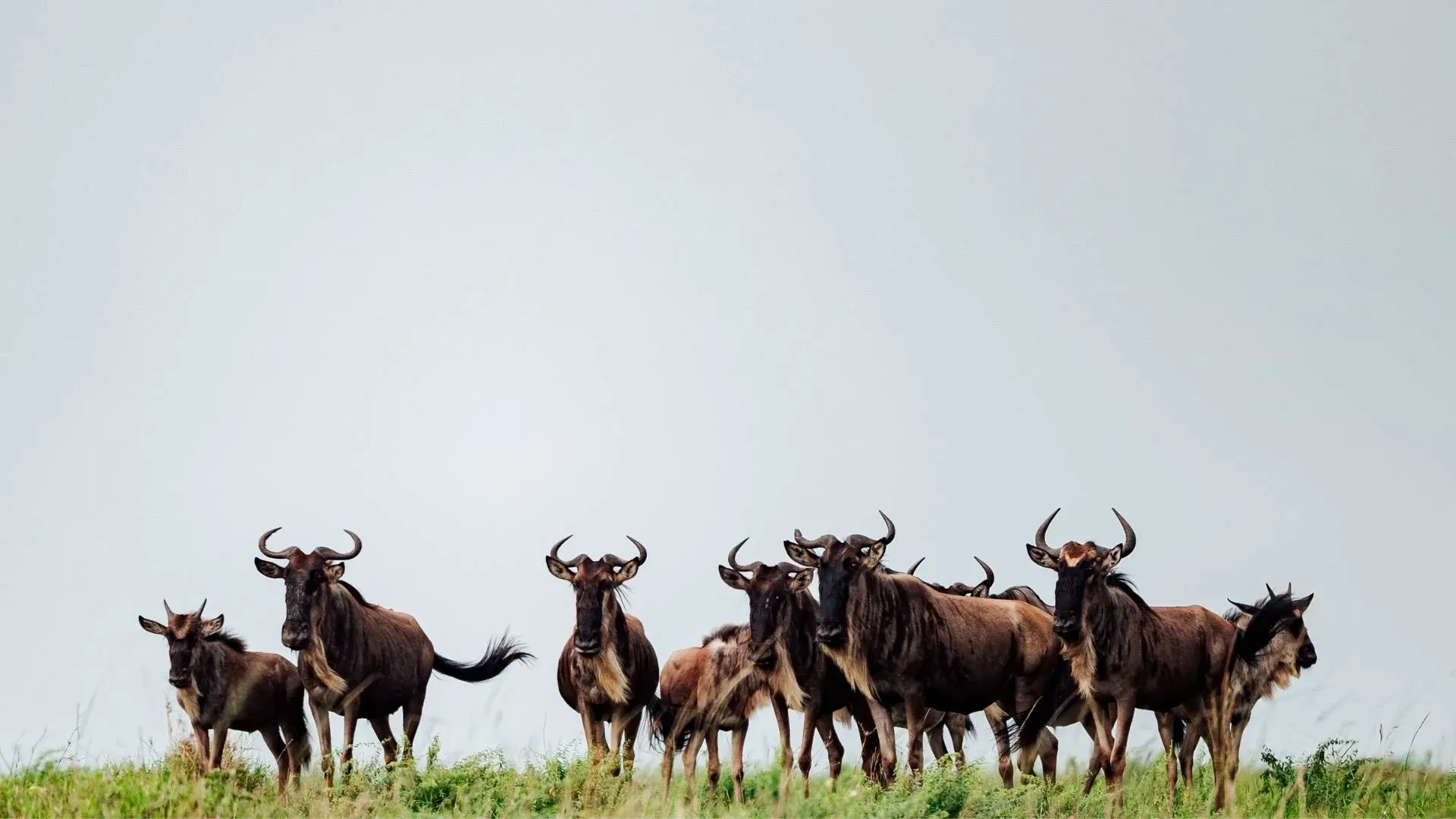
Ndutu is the woodland and short-grass country around Lake Ndutu and Lake Masek, on the boundary between the southern Serengeti and the Ngorongoro Conservation Area. From December to March the wildebeest migration spreads across these plains, and within a few weeks around February most of the year's calves are born here.
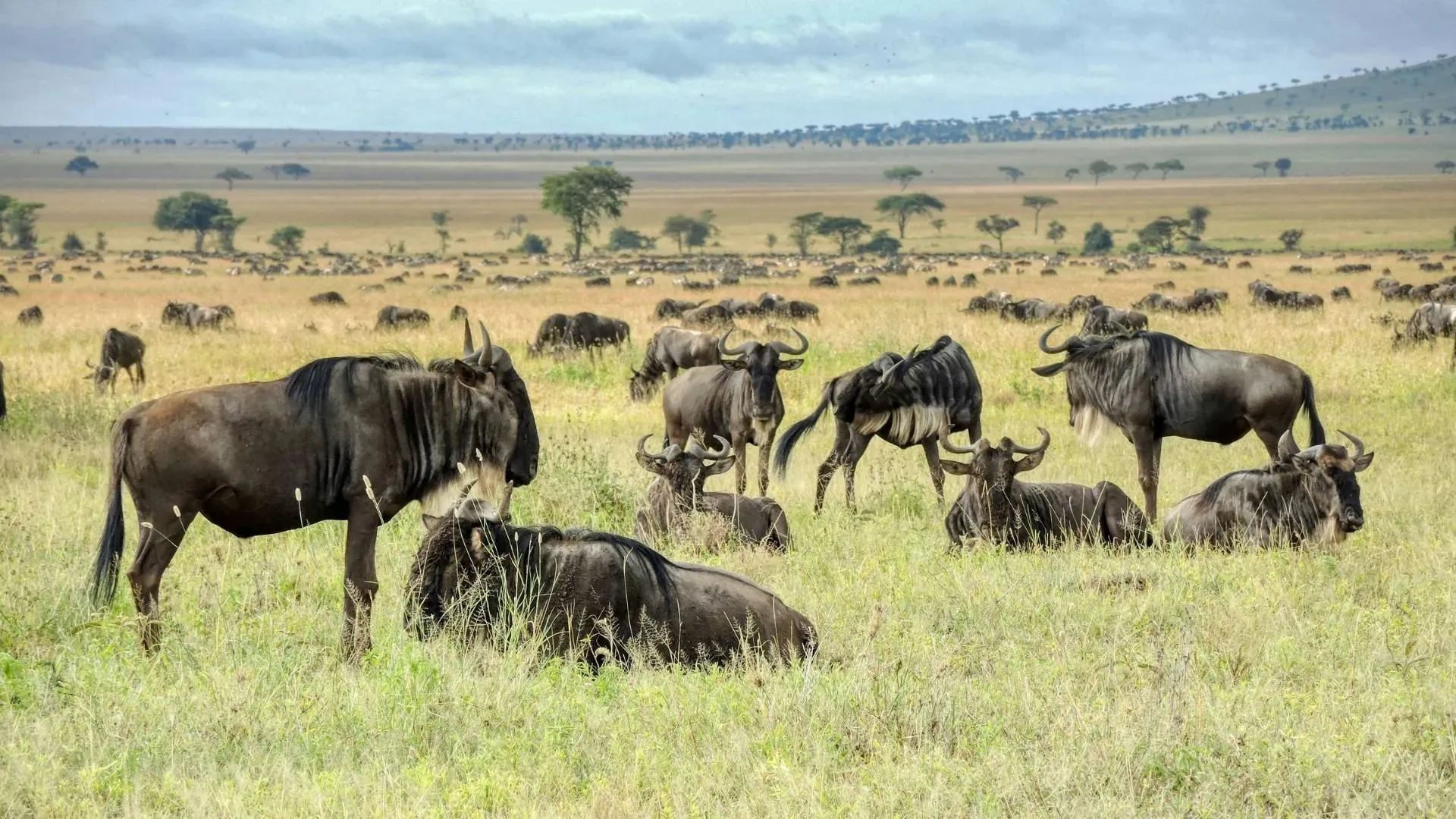
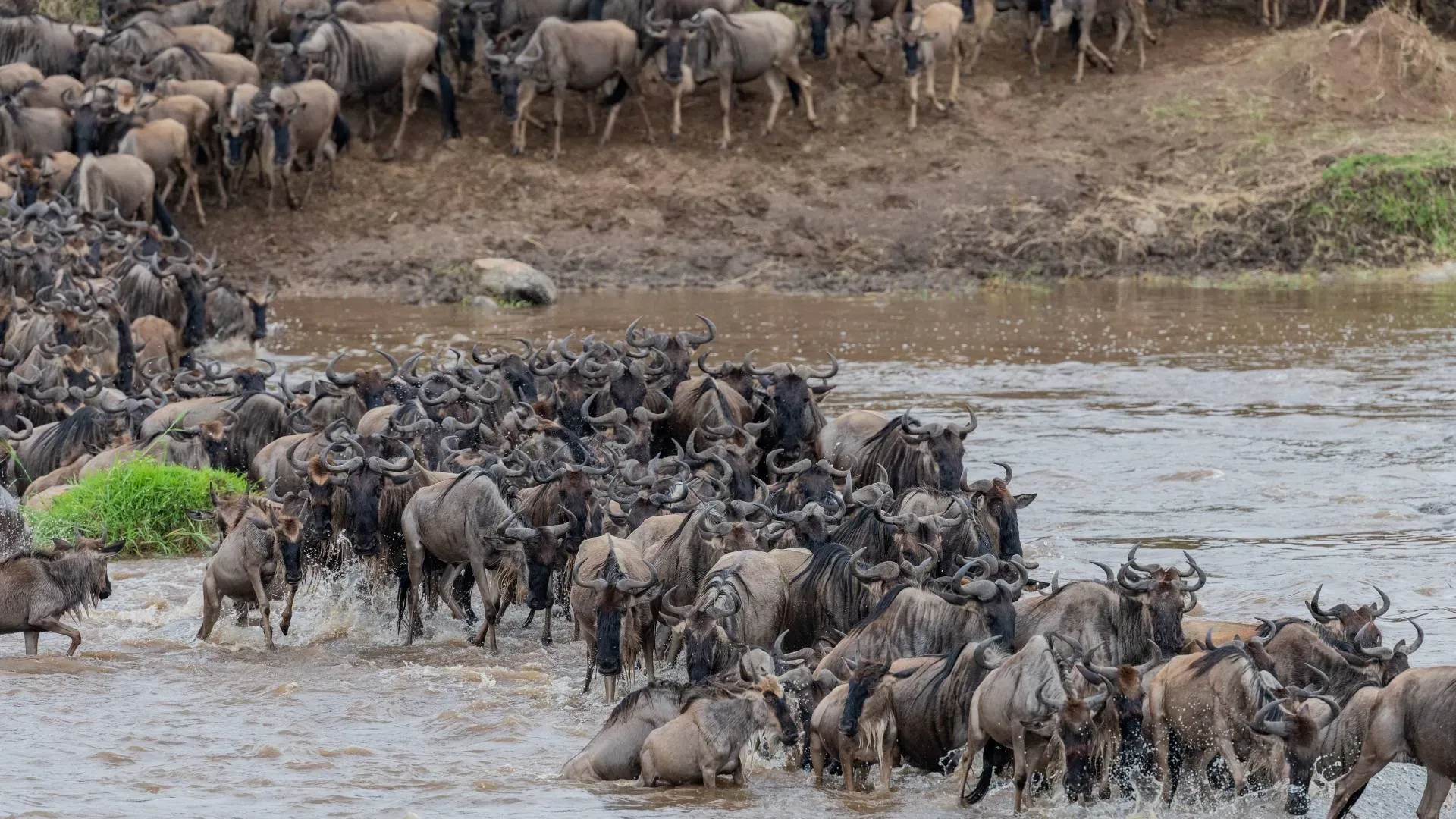
The soil is volcanic ash from the Ngorongoro highlands. When the short rains arrive it grows grass that is rich in calcium and phosphorus, exactly what lactating wildebeest need. Several hundred thousand calves are born in a window of about three weeks, and a calf can stand and run within minutes.
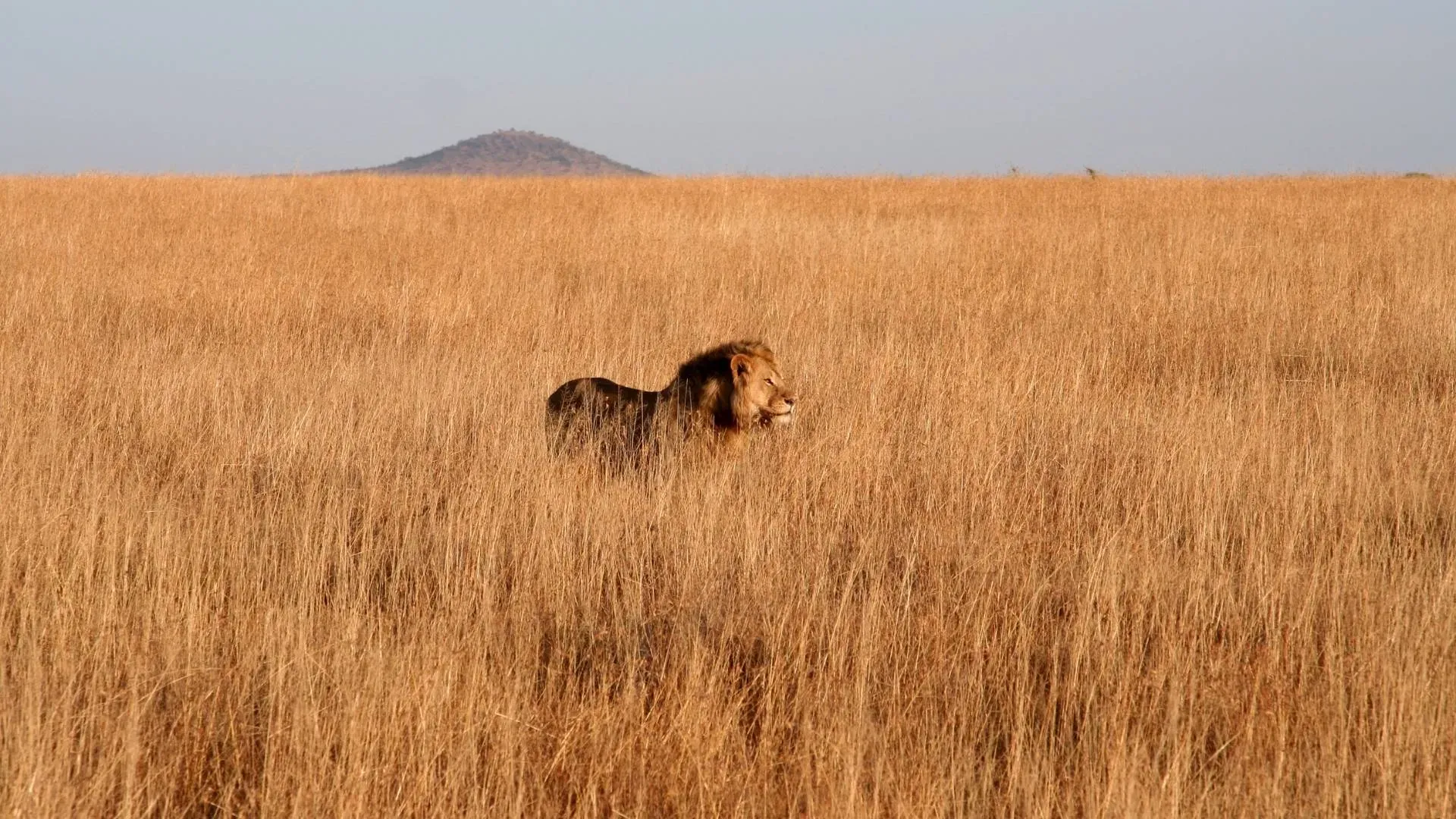
So many vulnerable young animals draw lion, cheetah, spotted hyena and jackal, and the open ground makes hunts easy to follow. Ndutu lies mostly inside the Ngorongoro Conservation Area, where vehicles are permitted to leave the tracks. That lets a guide follow a cheetah across the plain instead of watching from a road, which is a large part of why photographers favour the area.
There are a few permanent lodges and a number of mobile camps that set up only for the season. From Ngorongoro Crater it is around two to three hours by road, and Ndutu has its own airstrip. Outside December to April the herds are gone and the area is very quiet.
Late January to early March for calving, with February the usual peak. December and March are also good for large herds. From May to November the migration is elsewhere and most mobile camps have moved on.
Ndutu Area and the other places we travel to nearby.
Ndutu Area
Sample itineraries. Every trip is private, so we change the days, lodges and pace to suit you.
Photography Safari Arusha · Tarangire National Park (2) · Lake Manyara National Park · Lake Eyasi · Ngorongoro Crater (2) · +3 more
Our team in Arusha answers in English, French, German and Spanish.
The wildebeest arrive from December and most calves are born between late January and early March, usually peaking in February. Timing shifts by a week or two with the rains.
Both. Lake Ndutu sits on the boundary. Most camps and game-drive areas are in the Ngorongoro Conservation Area, so conservation-area fees apply, and some drives cross into Serengeti National Park.
Yes, within the Ngorongoro Conservation Area section, subject to the authority's rules. It is not allowed inside Serengeti National Park.
Tell us your dates and what you would like to see. A specialist in Arusha sends a route and a clear proposal within 24 hours.
Plan this tripLicensed & trusted
We are a licensed Tanzanian tour operator, working with the national tourism bodies, parks and conservation authorities, and the organisations that look after Kilimanjaro’s porters.




💬 Connect to Live Support
Choose a department to speak with our team:
Our team is currently unavailable
Leave your details and we’ll get back to you shortly.
This session has timed out for your security. Start a new conversation to continue.
AI Safari Agent
Hello! 👋 Need help planning your safari?