 Wildlife Safari Popular
8-Day Tanzania Safari with Lake Eyasi & Maasai Culture
Arusha · Tarangire National Park · Central Serengeti (2) · Ngorongoro Crater · Lake Eyasi · +1 more
 Read
Tanzania Visa Guide 2026: e-Visa, Costs and Entry Rules
Explore Destination · Tanzania
Lake Manyara safari: Lake Manyara National Park is a narrow strip of land between the Rift Valley escarpment and a shallow soda lake.
Lake Manyara National Park is a narrow strip of land between the Rift Valley escarpment and a shallow soda lake, about 125 km west of Arusha. It is a small park, but it packs five habitats into a short drive: groundwater forest, acacia woodland, open floodplain, hot springs and the lake itself.
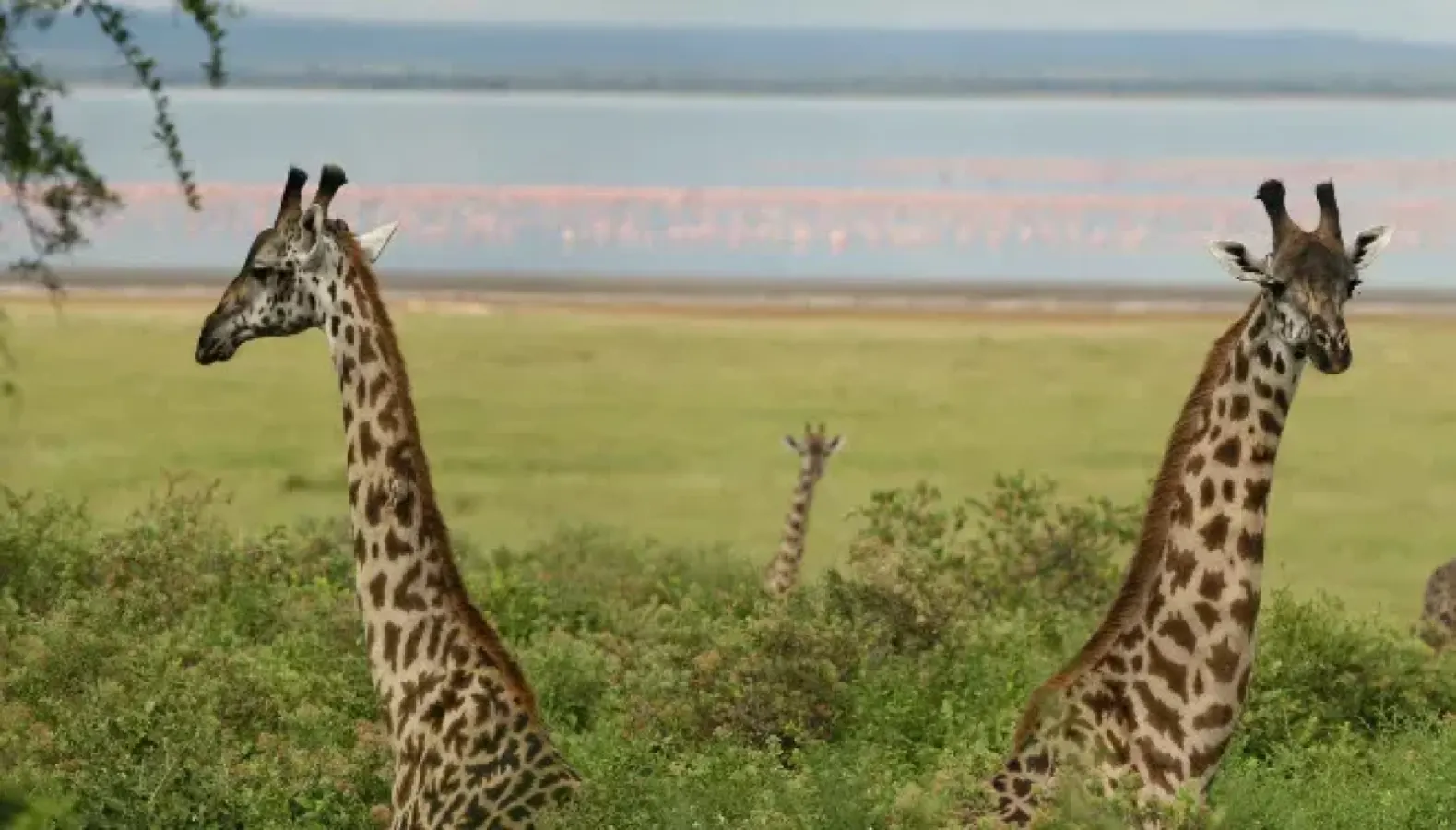
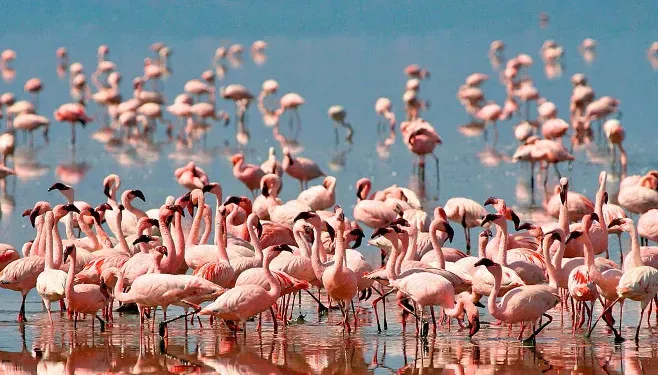
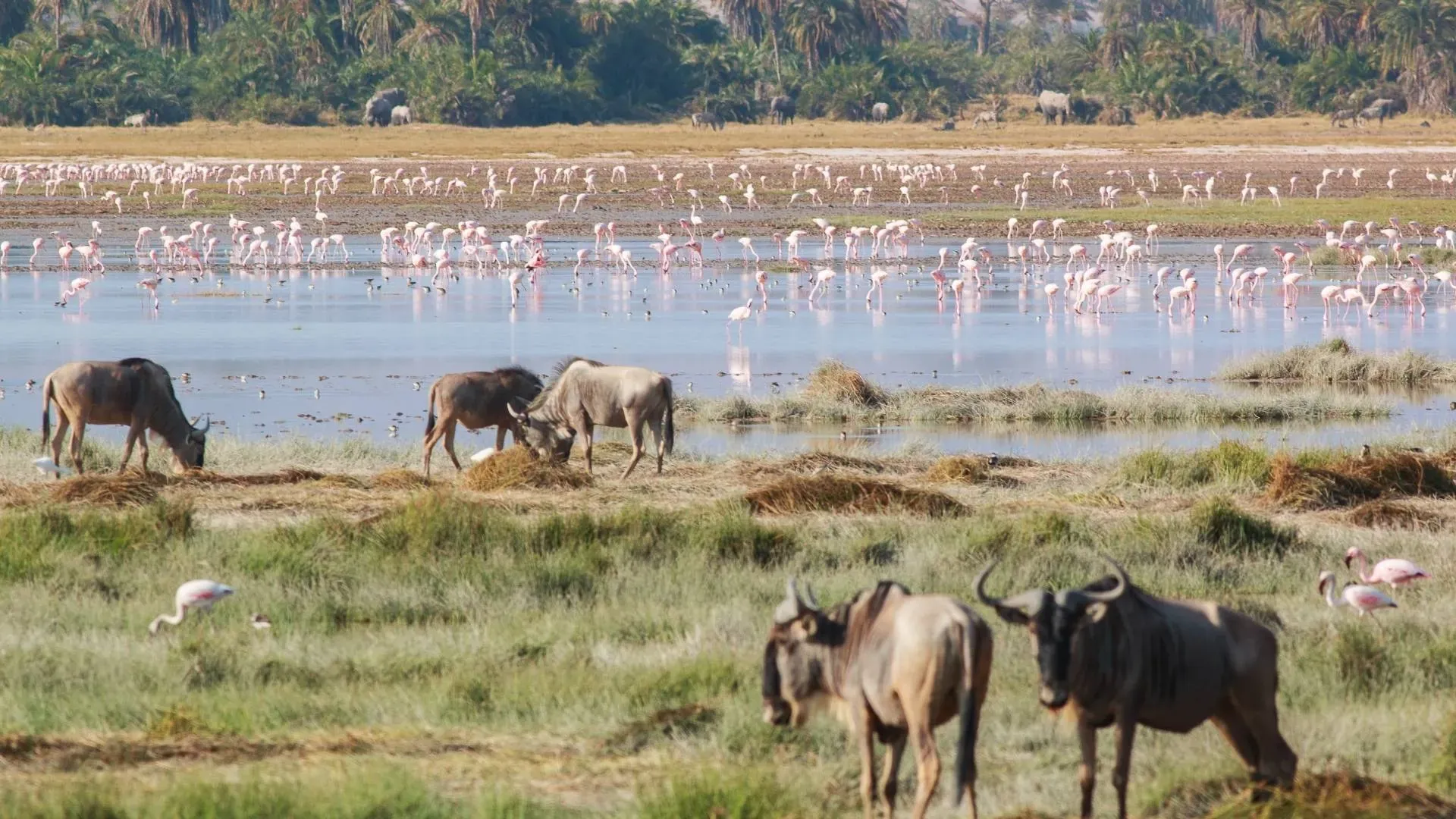
Just inside the gate, springs from the escarpment feed a tall evergreen forest of mahogany and fig that looks more like rainforest than savanna. It holds very large baboon troops, blue monkeys and elephants. The forest opens onto a grass floodplain with buffalo, wildebeest, zebra and giraffe, and beyond it the lake, which in some seasons turns pink at the edges with flamingos.
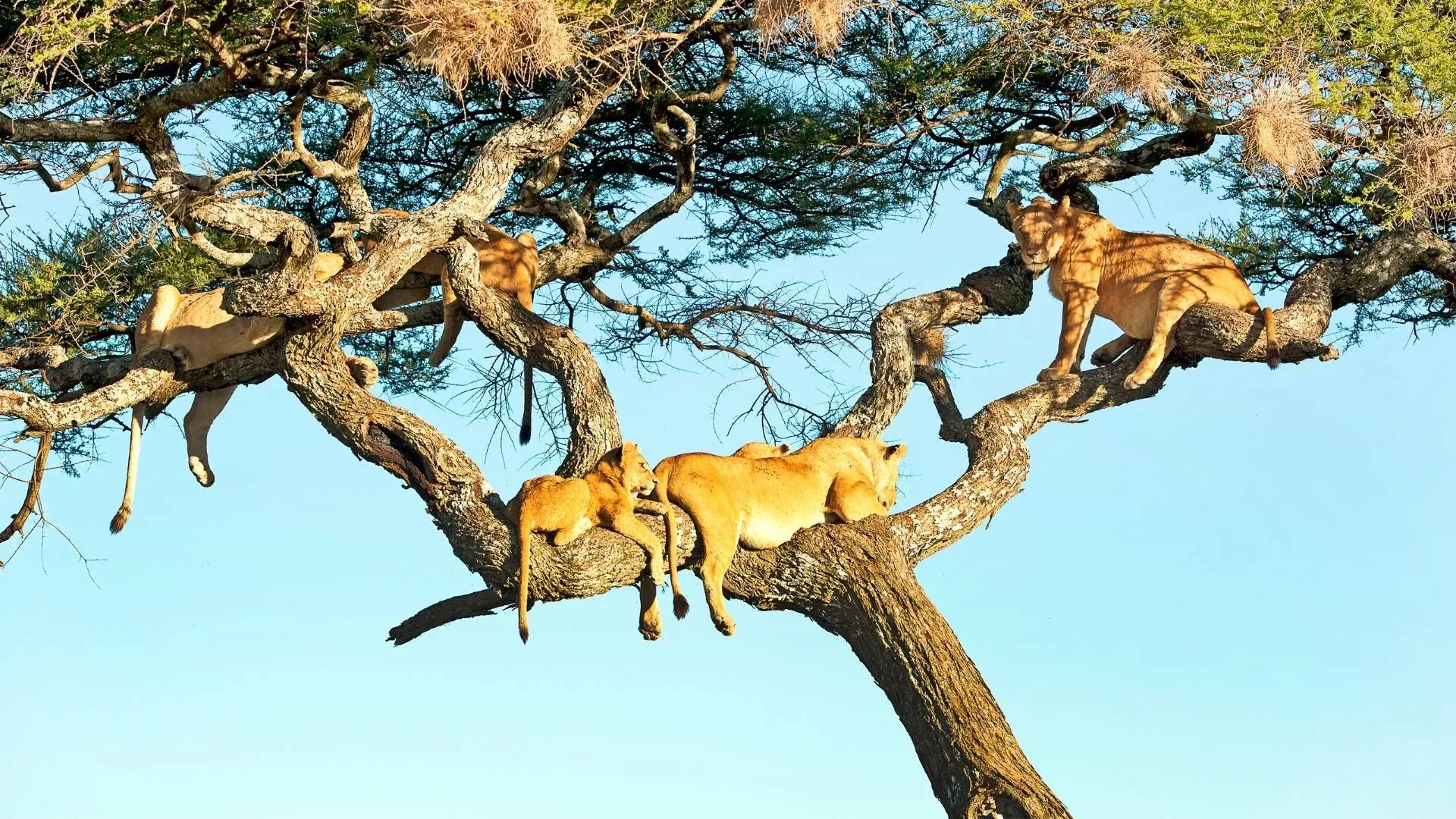
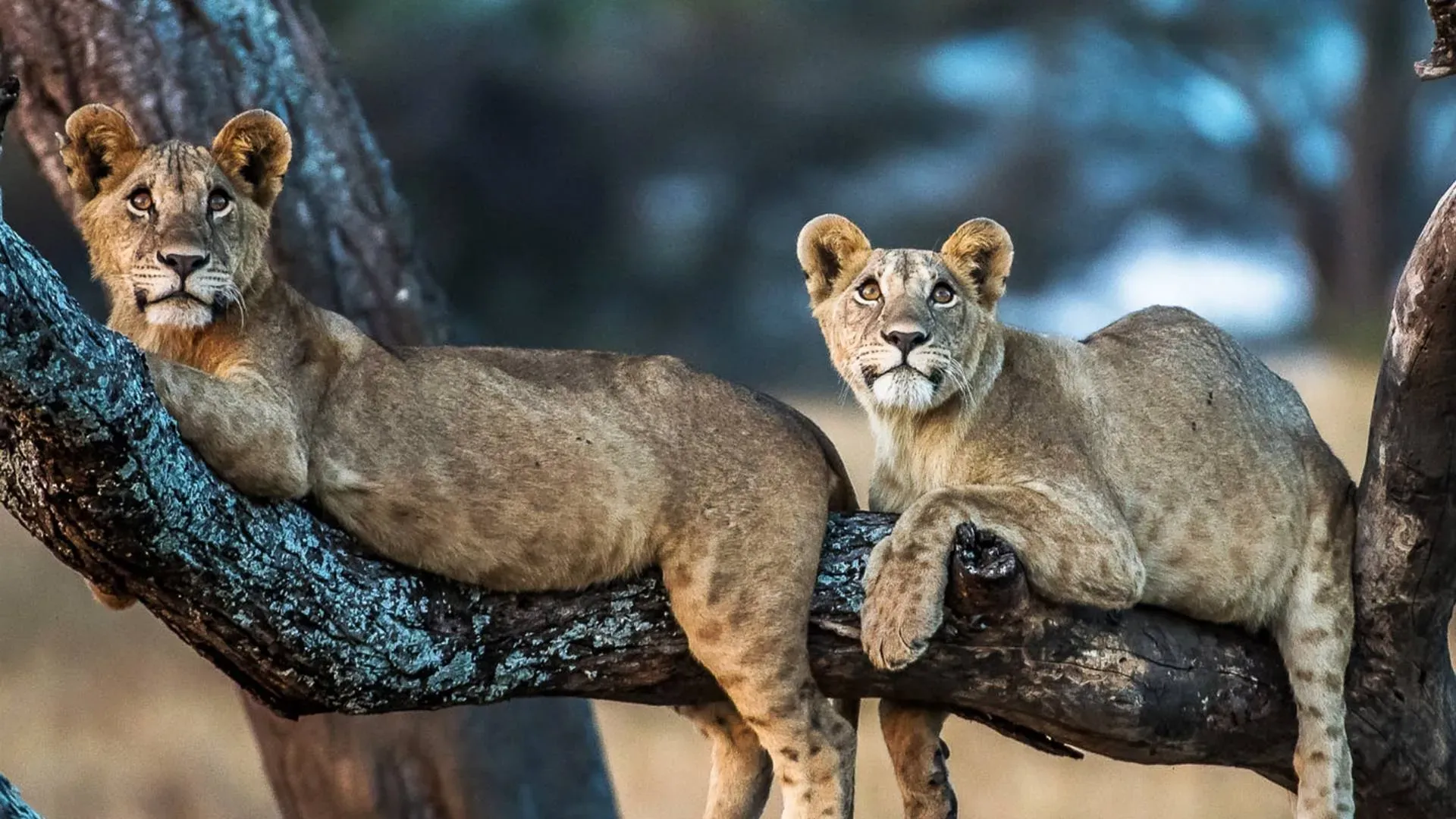
Manyara's lions are known for resting in the branches of acacia and mahogany trees. The behaviour is real but not something to count on: the lion population is small and sightings are occasional. Treat one as a bonus.
More than 400 bird species have been recorded, including pelicans, storks, hornbills and many raptors, which makes the park one of the best single-day birding stops in northern Tanzania. Manyara is also one of the few national parks that allows night game drives. There is a 370-metre treetop walkway in the forest, and canoeing is possible when the lake level is right.
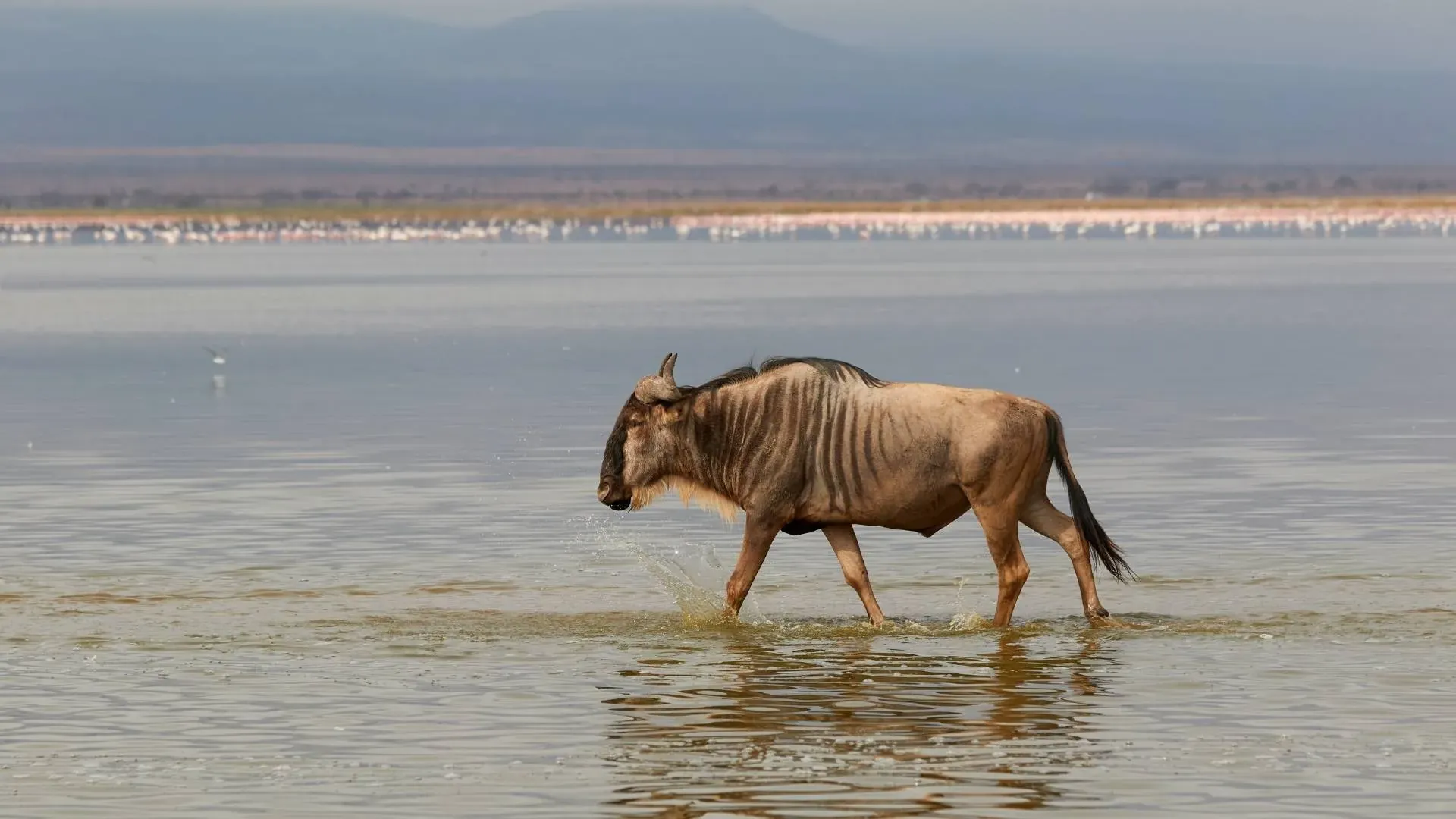
June to October is best for mammals, with shorter grass and animals close to the remaining water. November to April is the better season for birds, including migrants and, water levels permitting, large flocks of flamingos.
Lake Manyara National Park and the other places we travel to nearby.
Lake Manyara National Park
Sample itineraries. Every trip is private, so we change the days, lodges and pace to suit you.
Wildlife Safari Popular Arusha · Tarangire National Park · Central Serengeti (2) · Ngorongoro Crater · Lake Eyasi · +1 more
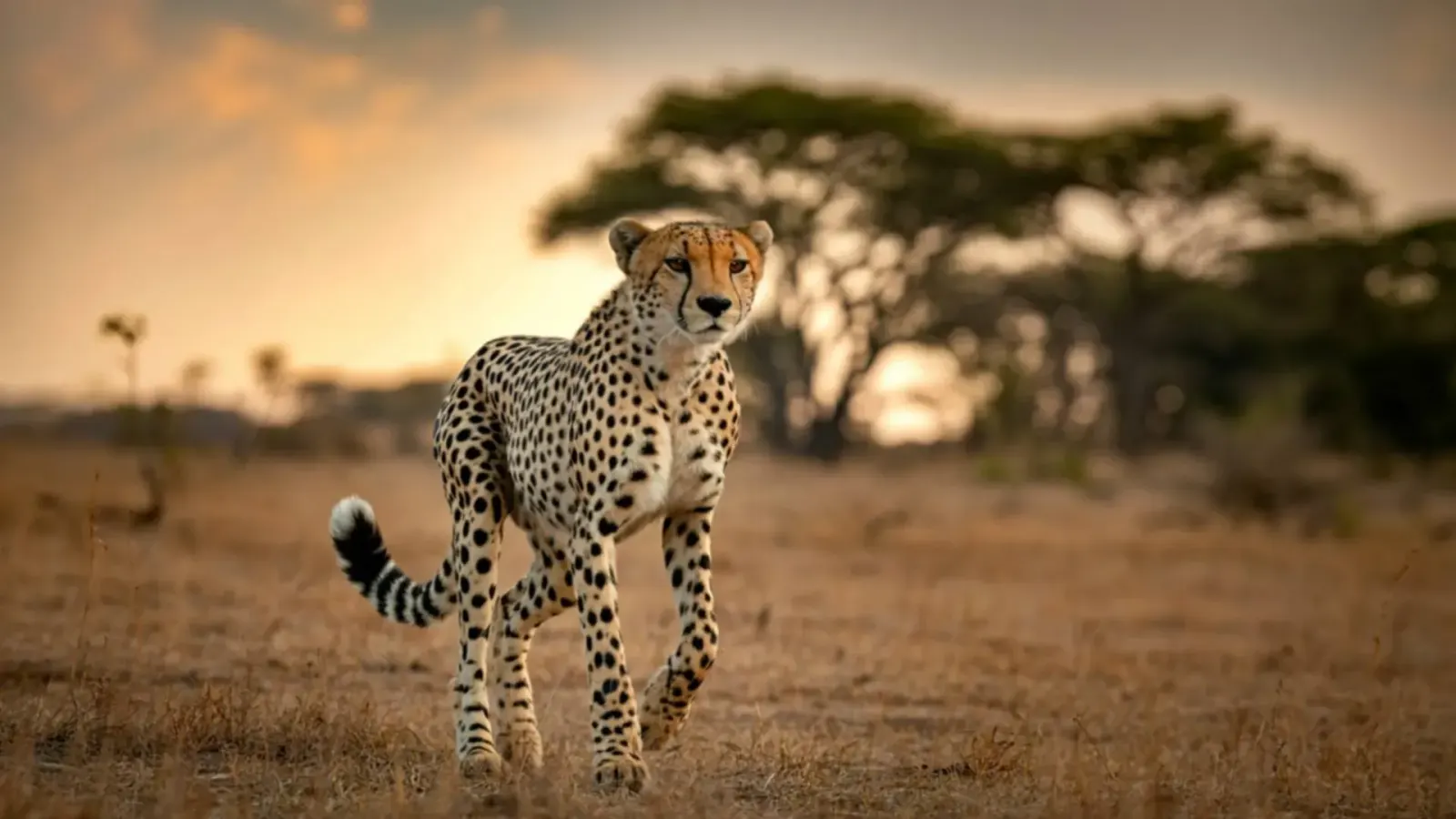 Beach & Island Popular
Zanzibar (2) · Tarangire National Park · Central Serengeti (2) · Ngorongoro Crater · Lake Eyasi
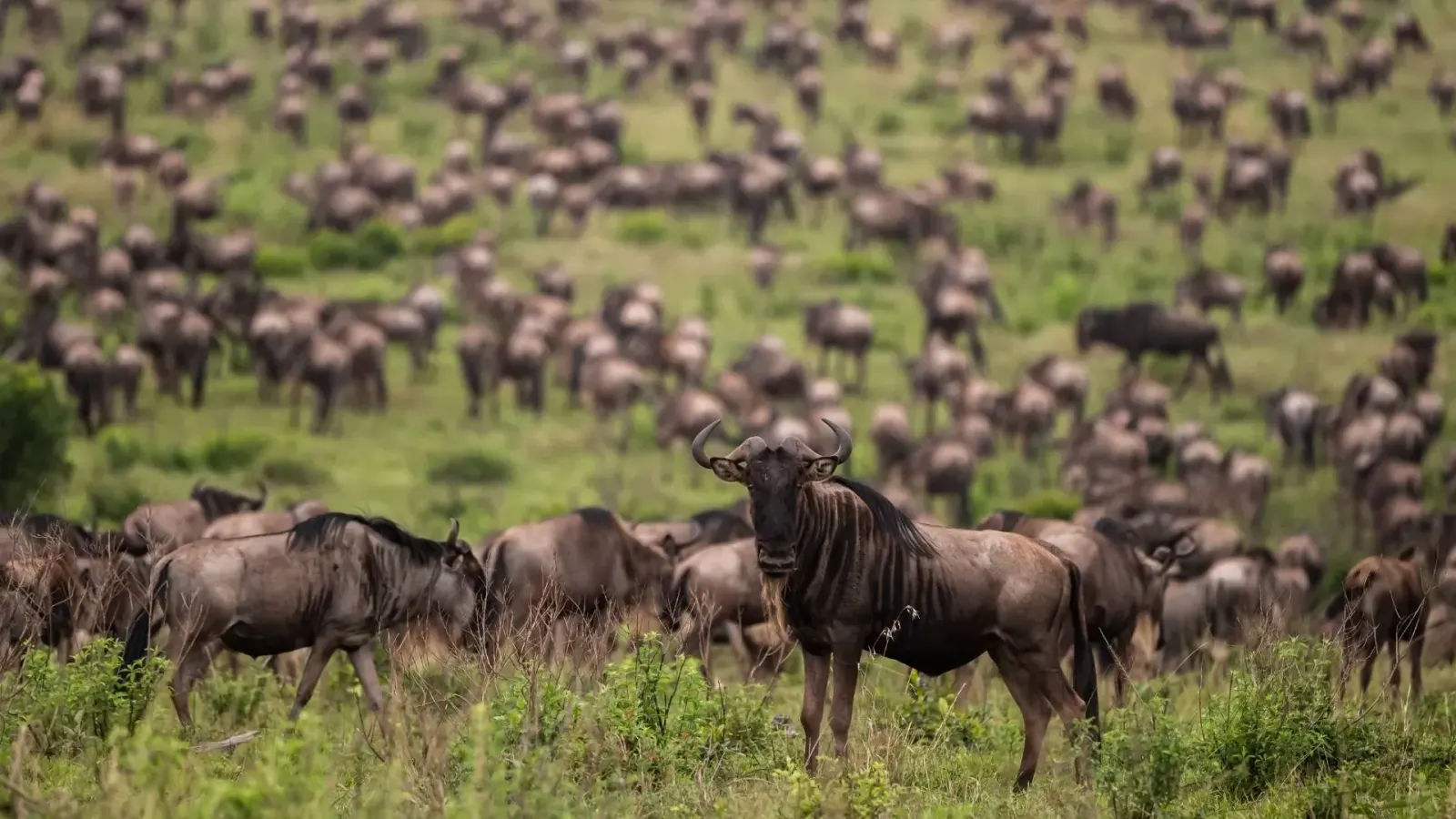 Cultural Immersion Popular
Arusha (2) · Tarangire National Park · Ngorongoro Crater (2) · Central Serengeti (3) · Lake Manyara National Park (2)
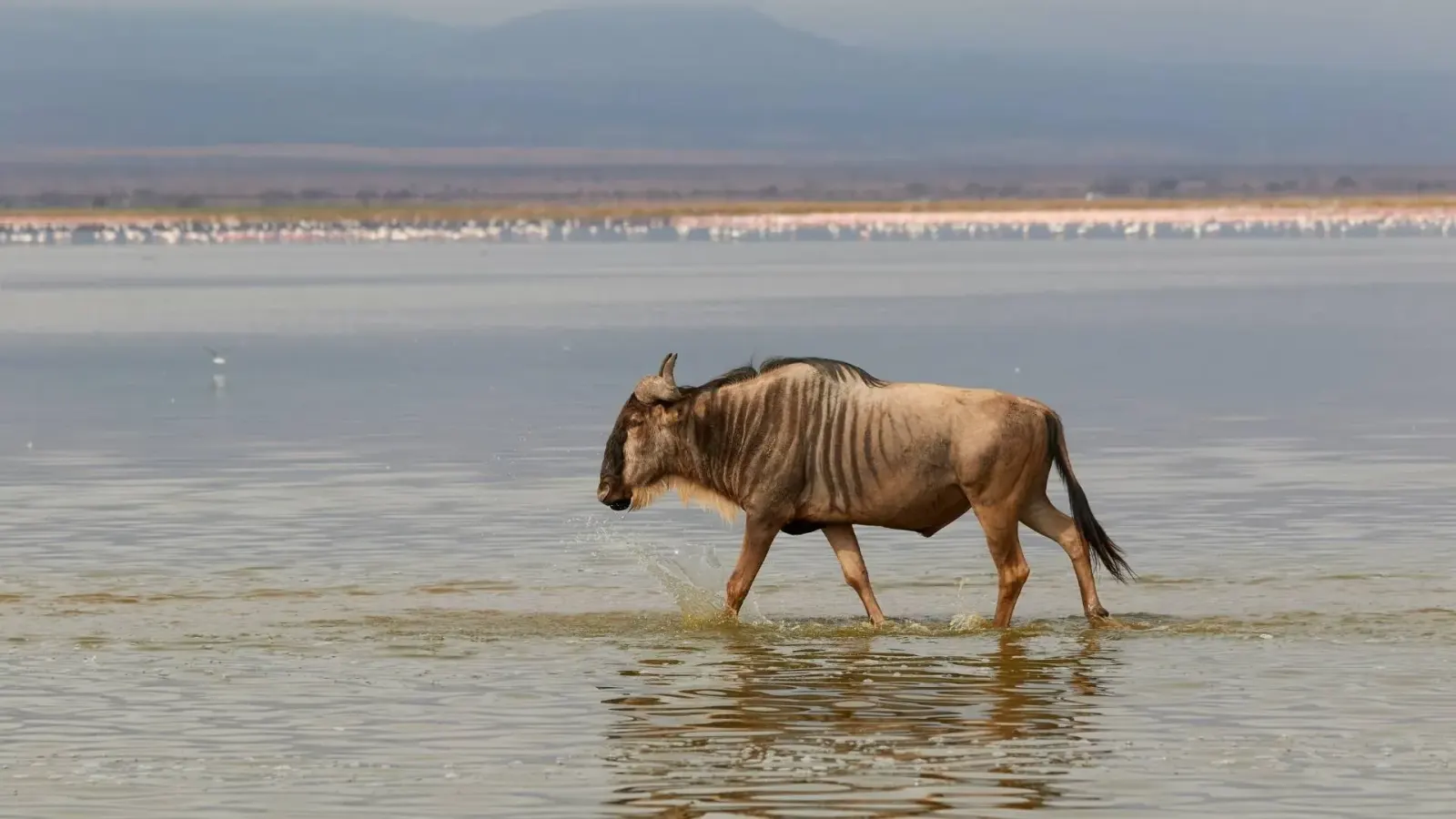 Great Migration
Arusha (2) · Moshi (Kilimanjaro) (2) · Tarangire National Park (2) · Lake Manyara National Park (2) · Lake Natron (2) · +3 more
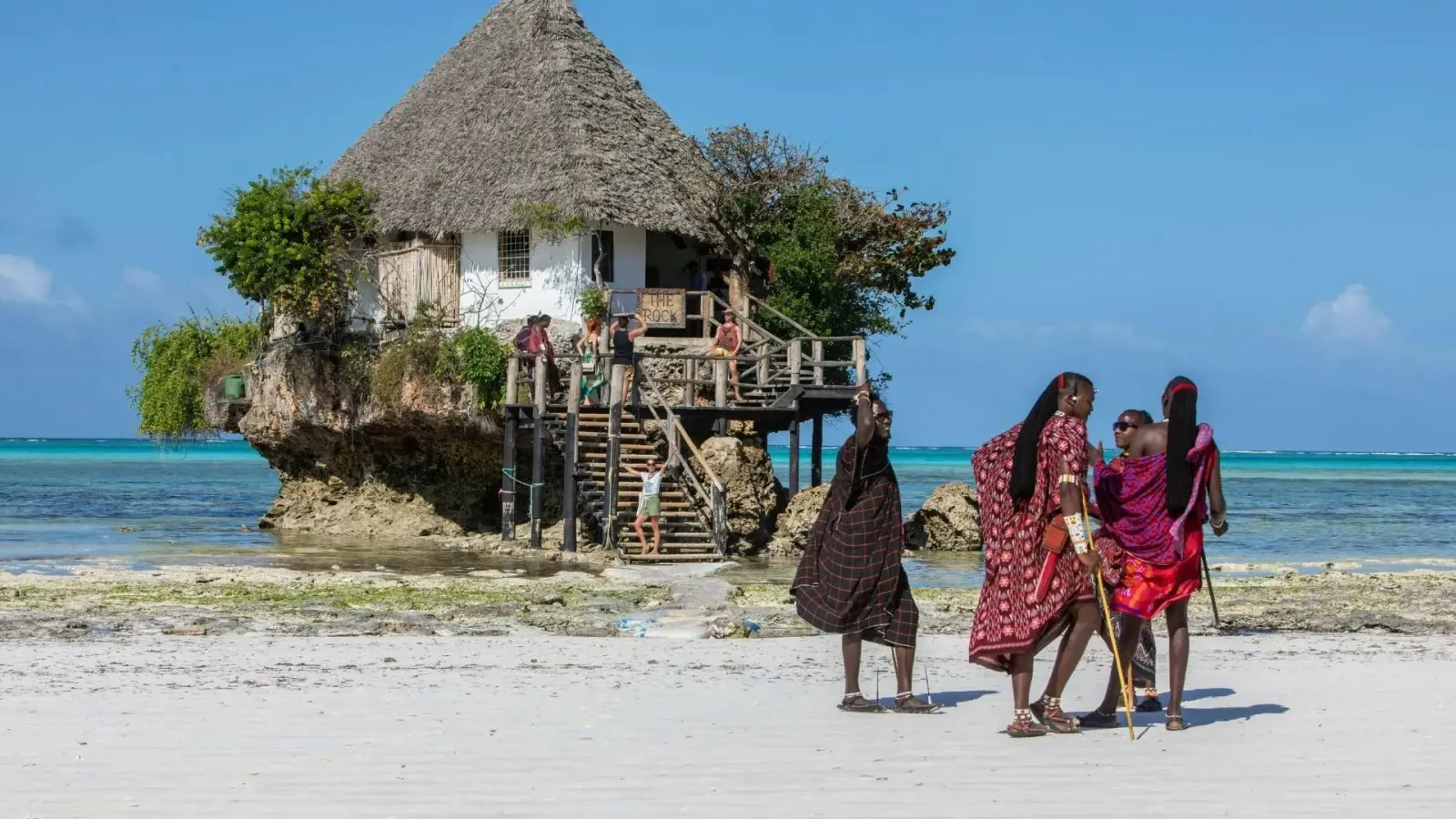 Luxury Safari
Arusha · Tarangire National Park (2) · Lake Manyara National Park · Ngorongoro Crater · Central Serengeti (2) · +2 more
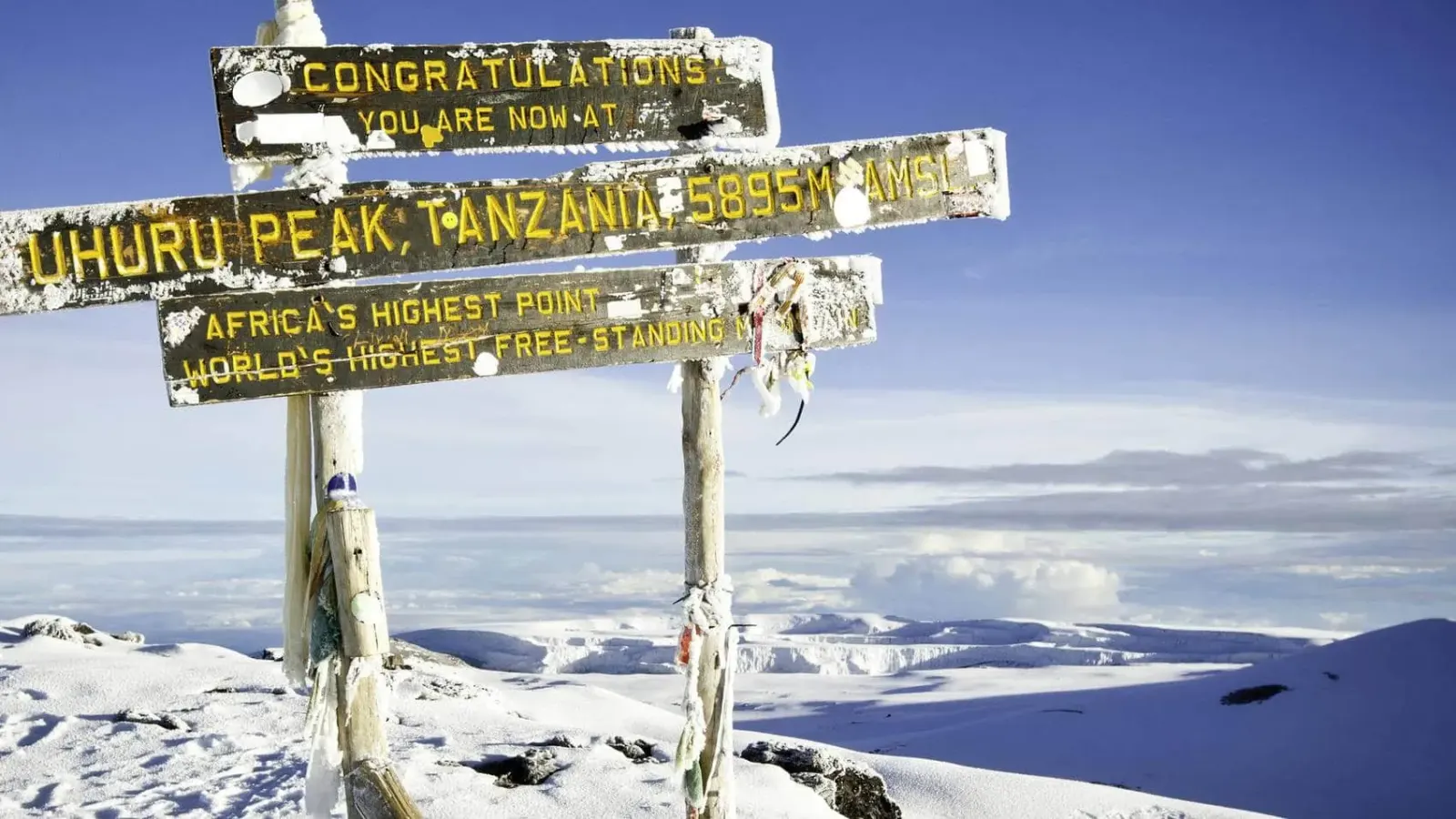 Wildlife Safari
Tarangire National Park · Lake Manyara National Park · Ngorongoro Crater · Moshi (Kilimanjaro)
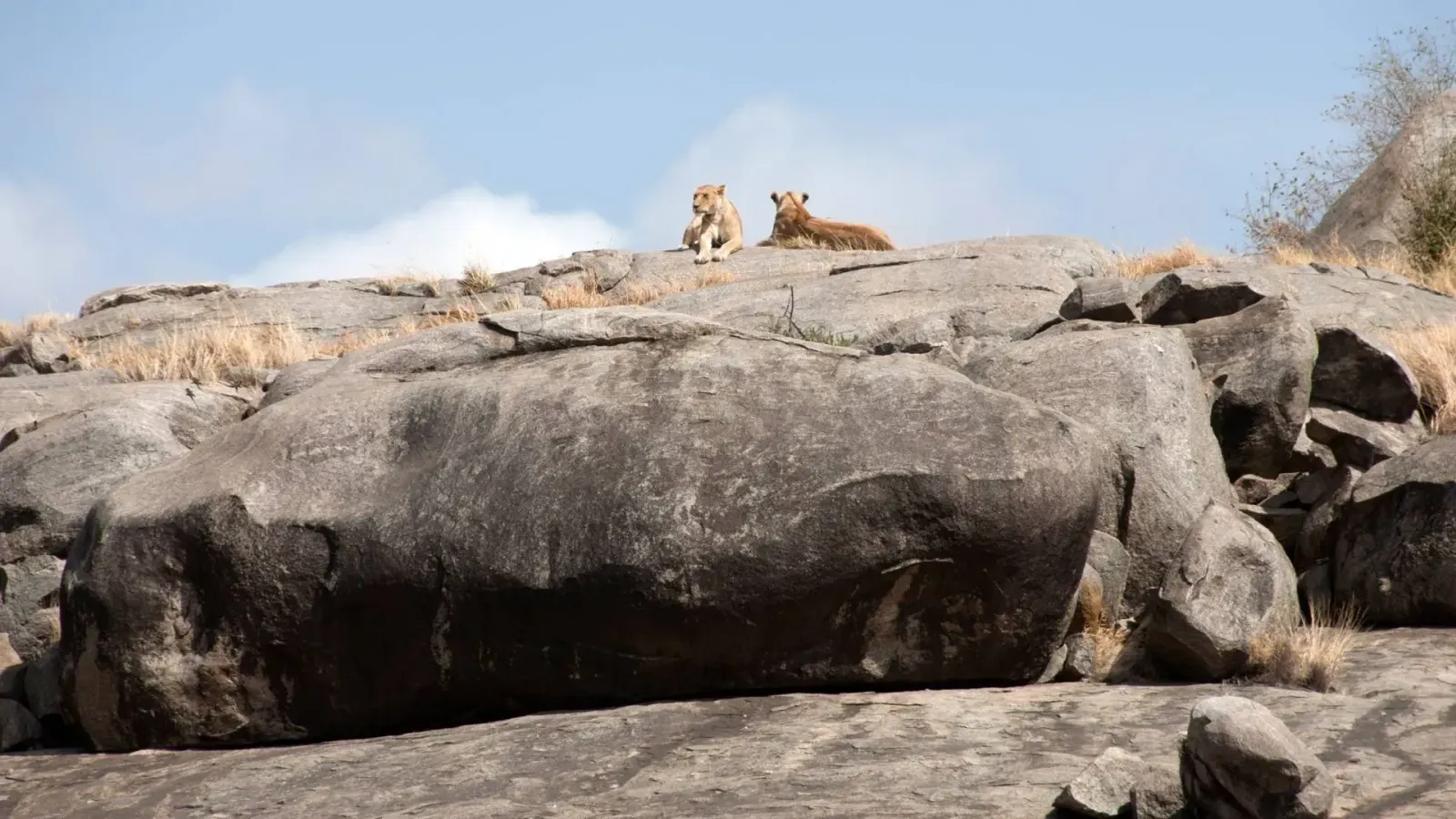 Luxury Safari
Arusha · Lake Manyara National Park (2) · Karatu · Ngorongoro Crater · Central Serengeti (2)
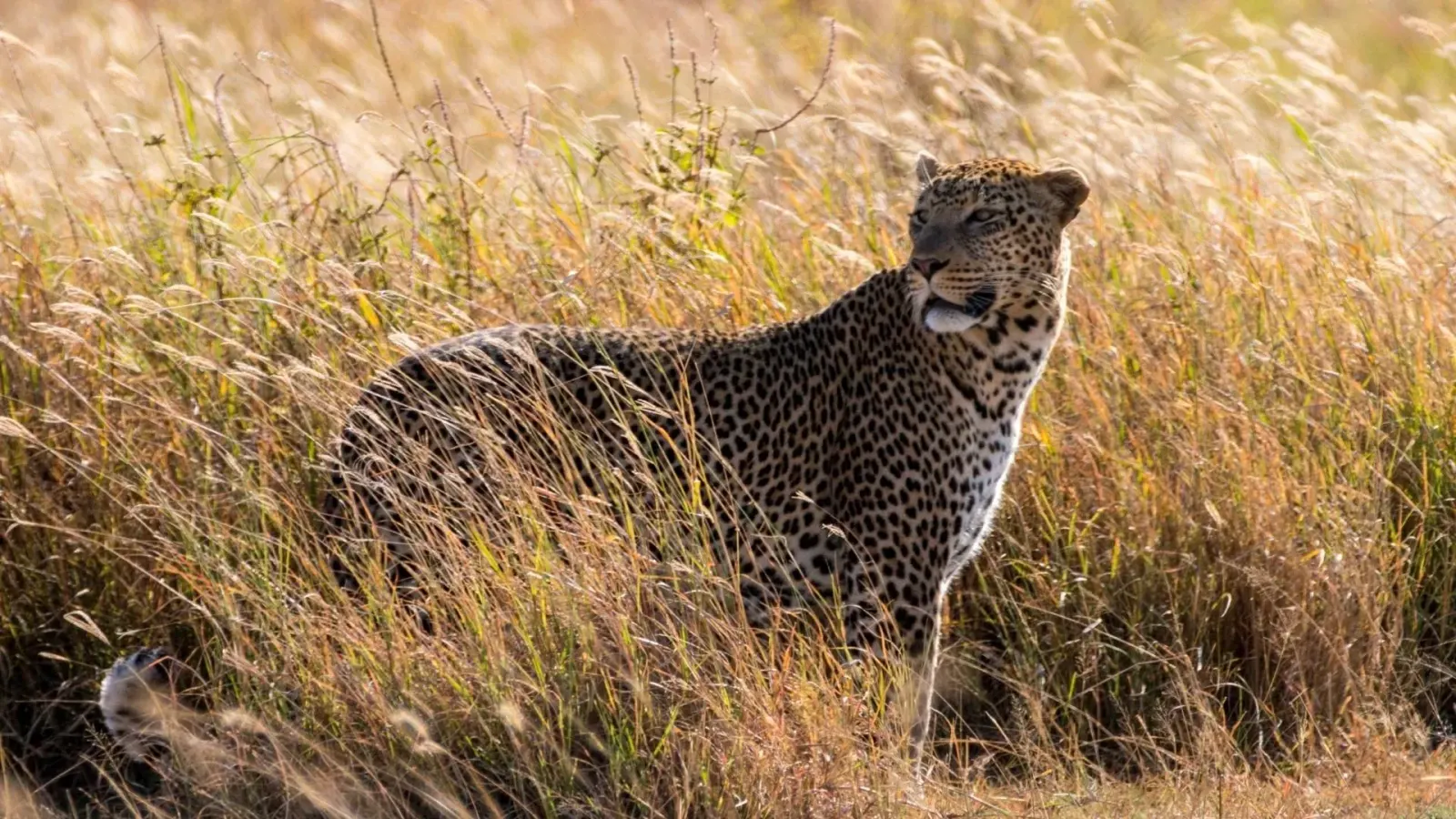 Photography Safari
Arusha · Tarangire National Park (2) · Lake Manyara National Park · Lake Eyasi · Ngorongoro Crater (2) · +3 more
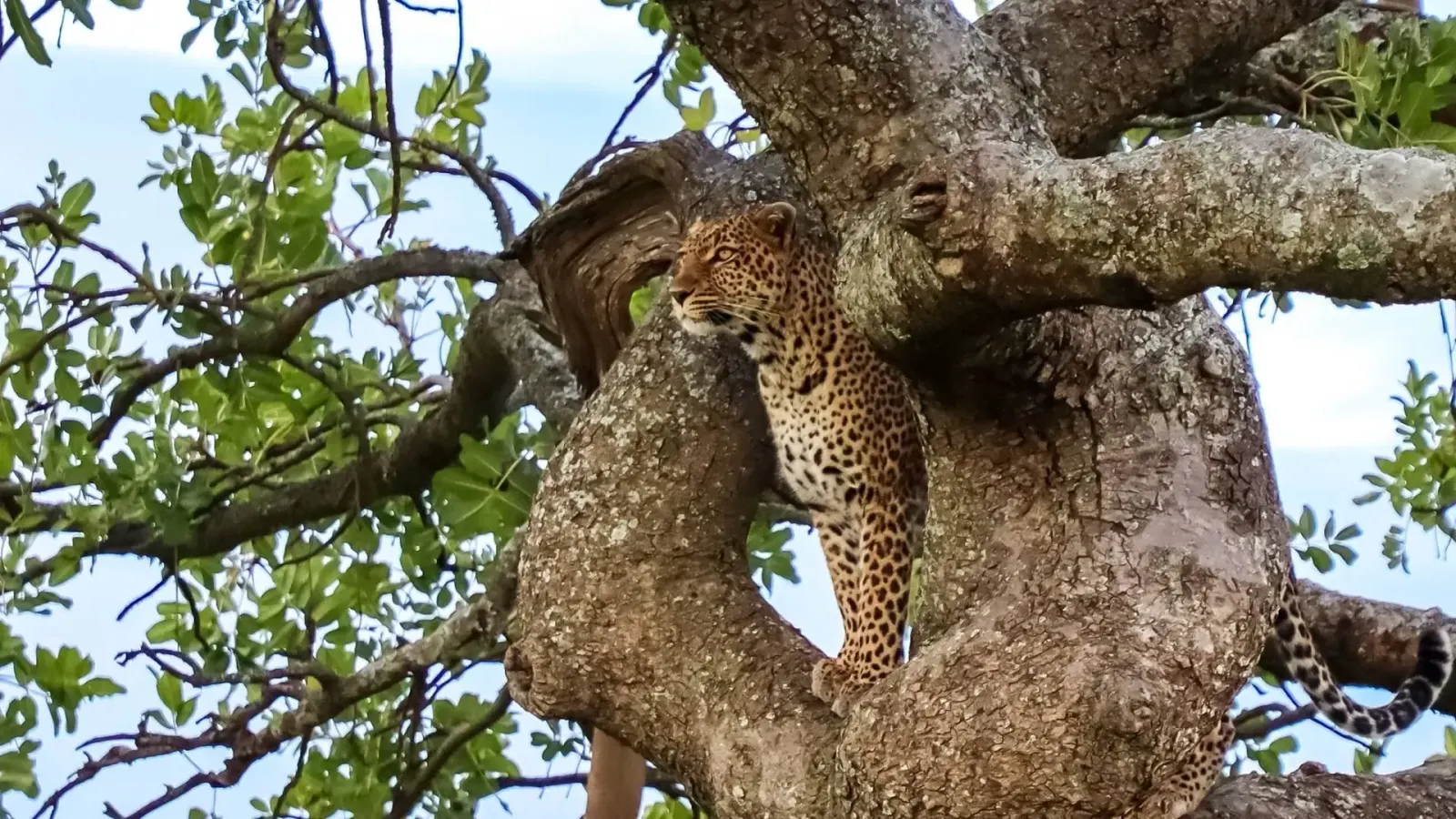 Wildlife Safari
Arusha · Lake Manyara National Park · Central Serengeti (2) · Ngorongoro Crater (2) · Moshi (Kilimanjaro)
Our team in Arusha answers in English, French, German and Spanish.
Possibly, but do not plan around it. The park has few lions and they are seen in trees only now and then. Elephants, baboons, hippos and birdlife are the dependable sightings.
Half a day to a full day is enough for most visitors. It fits well on the drive between Tarangire and Ngorongoro.
No. Flamingo numbers depend on water level and algae, and the birds move between the Rift Valley soda lakes. They are most likely in the wetter months.
Tell us your dates and what you would like to see. A specialist in Arusha sends a route and a clear proposal within 24 hours.
Plan this tripLicensed & trusted
We are a licensed Tanzanian tour operator, working with the national tourism bodies, parks and conservation authorities, and the organisations that look after Kilimanjaro’s porters.





💬 Connect to Live Support
Choose a department to speak with our team:
Our team is currently unavailable
Leave your details and we’ll get back to you shortly.
This session has timed out for your security. Start a new conversation to continue.
AI Safari Agent
Hello! 👋 Need help planning your safari?