
Updated 5 November 2026. CAF has not yet published the match schedule. We update this guide as soon as it does.
AFCON 2027 tours in Tanzania combine live Africa Cup of Nations football with a safari, a Kilimanjaro climb or a Zanzibar beach break. The tournament runs from 19 June to 17 July 2027 and is hosted jointly by Tanzania, Kenya and Uganda, under the name AFCON Pamoja ("pamoja" means "together" in Swahili). Tanzania's matches are planned for Dar es Salaam, Arusha and Zanzibar. The timing is good for visitors: June and July are the dry season, the Great Migration is in the western and northern Serengeti, and Kilimanjaro is in its main climbing season. We are a safari company based in Arusha, one of the host cities, and this guide answers the questions our guests are already asking us.
- AFCON 2027 runs from 19 June to 17 July 2027 in Tanzania, Kenya and Uganda, with 24 teams.
- Tanzania's planned venues are Benjamin Mkapa Stadium in Dar es Salaam (about 60,000 seats), the new Samia Suluhu Hassan Stadium in Arusha (about 30,000) and Amaan Stadium in Zanzibar. CAF has not yet said which matches go where.
- Arusha is the best base for football plus a northern safari: Tarangire is about two hours away and Ngorongoro about three. Dar es Salaam is the gateway to Mikumi, Nyerere and Ruaha.
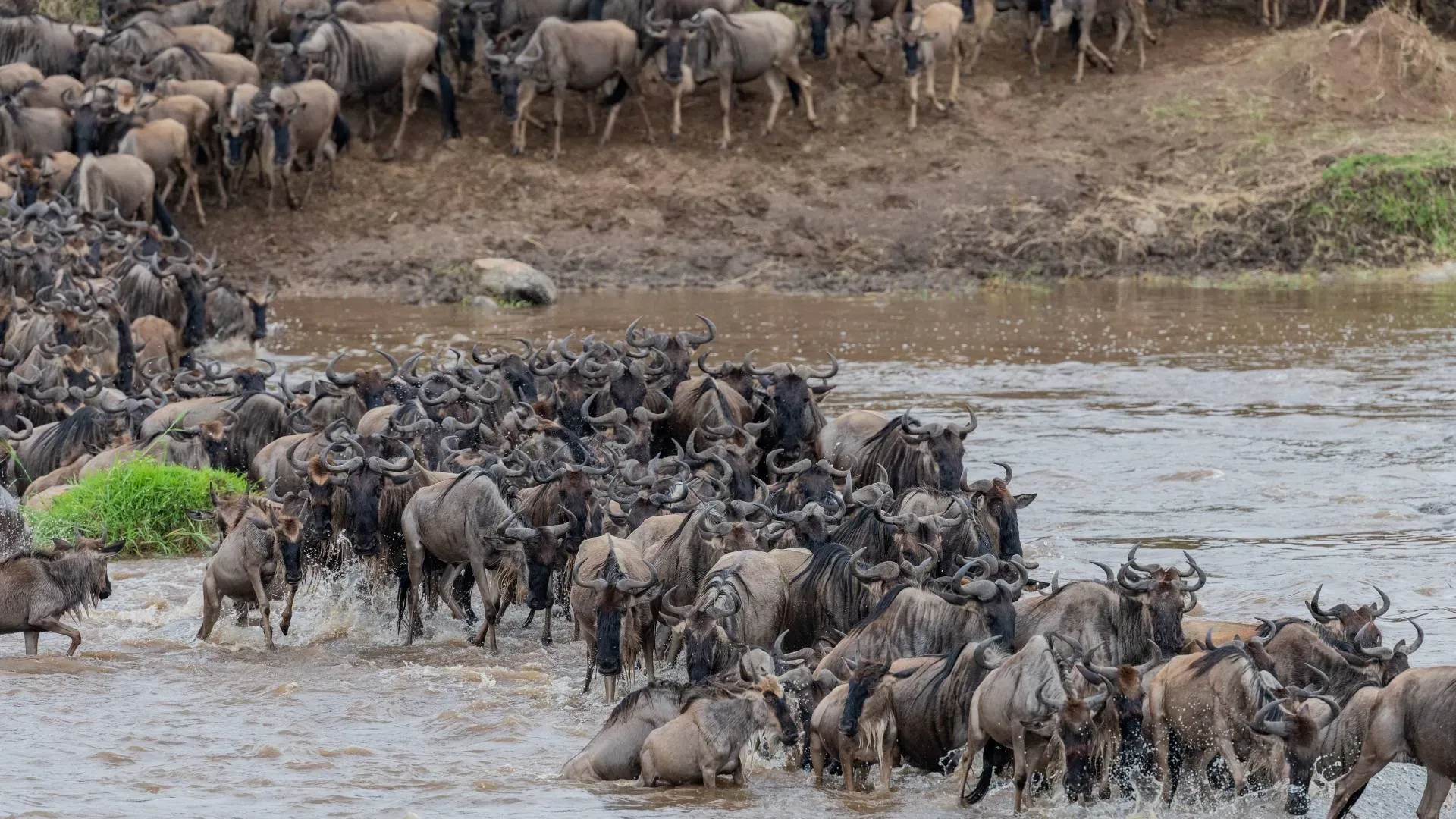
- In June the migration herds are usually in the Serengeti's Western Corridor. In July they move north, and the first Mara River crossings often begin.
- Book lodges early. Late June and July is already peak safari season, and AFCON adds tens of thousands of visitors.
AFCON 2027 in Tanzania: what is confirmed so far
The dates and the host countries are confirmed by CAF, African football's governing body. The detailed match schedule is not. Here is the status as of November 2026, so you know what you can book now and what you should wait for.
| Item | Status (November 2026) | What it means for your trip |
|---|---|---|
| Dates | Confirmed: 19 June to 17 July 2027 | You can block your holiday dates and start looking at lodges. |
| Host countries | Confirmed: Tanzania, Kenya, Uganda | Matches are spread over three countries, so plan for borders and flights. |
| Number of teams | 24 | The same format as recent editions: group stage, then knockout rounds. |
| Stadiums in Tanzania | Candidate list: Dar es Salaam, Arusha, Zanzibar | Choose a base city, but keep flexible bookings until fixtures are out. |
| Match schedule and venues | Not yet published | Wait for the schedule before buying non-refundable domestic flights. |
| Match tickets | Sold by CAF through its official channels | Buy only from CAF's official site. Tickets sold on the street or on social media are often fake. |
Tanzania's AFCON 2027 stadiums and host cities
Tanzania plans to host matches in three places, each with a very different trip around it. Dodoma, the capital, was on early lists but is not expected to host matches.
| Stadium | City | Capacity | Nearest airport | Best trips from here |
|---|---|---|---|---|
| Benjamin Mkapa Stadium | Dar es Salaam | about 60,000 | Julius Nyerere International (DAR) | Southern safaris (Mikumi, Nyerere, Ruaha), Zanzibar |
| Samia Suluhu Hassan Stadium (new) | Arusha | about 30,000 | Kilimanjaro International (JRO), Arusha Airport (ARK) | Northern safaris (Tarangire, Ngorongoro, Serengeti), Kilimanjaro, Mount Meru |
| Amaan Stadium | Zanzibar Town | about 15,000 | Abeid Amani Karume International (ZNZ) | Beaches, Stone Town, short flights to safari |
Dar es Salaam is Tanzania's largest city and its main international gateway. Benjamin Mkapa Stadium is the country's biggest and has hosted CAF matches for years. See our guide to Dar es Salaam.
Arusha is the starting point of almost every northern safari, and our home town. The new stadium means fans can watch a match and be in Tarangire National Park the same afternoon. More in our Arusha guide.
Zanzibar brings the football to the islands. It has its own entry insurance rule, explained below, and short flights to both safari circuits. Read about Zanzibar and Stone Town.
From stadium to safari: travel times from each host city
Distance is the question most guides skip, and it decides your whole plan. Tanzania is large. A road trip that looks short on the map can take a full day. These are the usual times our guides drive or fly in the dry season.
| From | To | By road | By air |
|---|---|---|---|
| Arusha | Arusha National Park | about 45 minutes | n/a |
| Arusha | Tarangire / Lake Manyara | about 2 hours | n/a |
| Arusha | Ngorongoro Crater | about 3 to 3.5 hours | n/a |
| Arusha | Central Serengeti | 7 to 8 hours | about 1 to 1.5 hours |
| Arusha | Northern Serengeti (Mara River) | a full day | about 1.5 to 2 hours |
| Arusha | Kilimanjaro trailheads | 1.5 to 2 hours | n/a |
| Dar es Salaam | Mikumi National Park | 5 to 6 hours | about 1 hour |
| Dar es Salaam | Nyerere National Park | 5 to 7 hours | about 45 minutes |
| Dar es Salaam | Ruaha National Park | a full day | about 2 hours |
| Dar es Salaam | Zanzibar | about 2 hours by ferry | about 20 minutes |
| Dar es Salaam | Arusha / Kilimanjaro | 10 to 12 hours | about 1 to 1.5 hours |
| Nairobi (Kenya) | Arusha | 5 to 6 hours with the border | about 1 hour to Kilimanjaro |
The practical rule: between two matches a few days apart, a northern safari from Arusha or a short southern safari from Dar es Salaam fits easily. A Serengeti trip from Dar es Salaam only works with domestic flights.
What you will see on safari in June and July
AFCON falls in the best part of the year for a safari. June and July are the start of the long dry season. The grass is short, animals gather near rivers and waterholes, and the parks are green but drying out. Days in Arusha are around 22 to 25 °C. Nights are cool, and at dawn on the rim of Ngorongoro Crater it can be close to freezing, so pack a warm jacket.
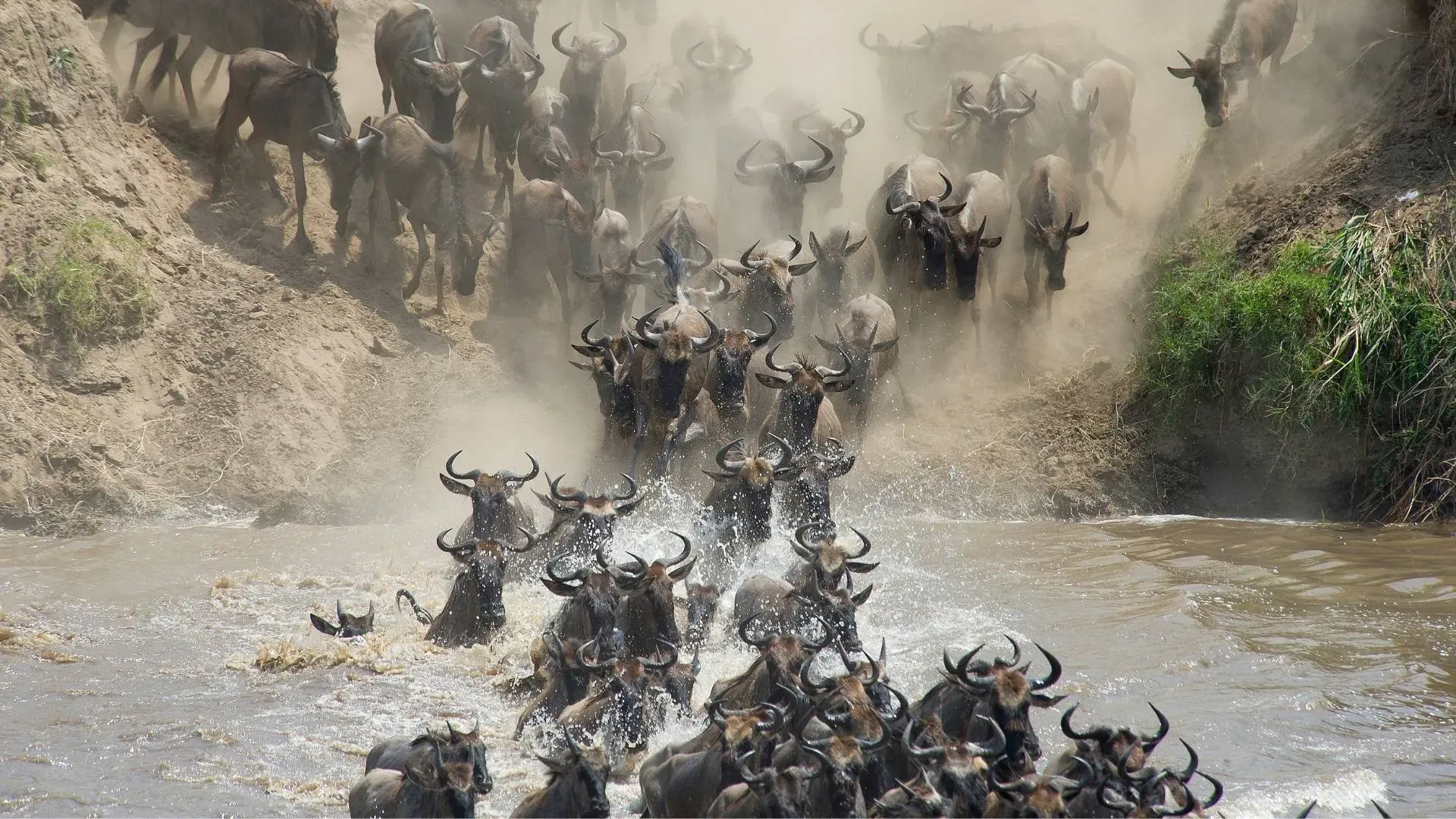
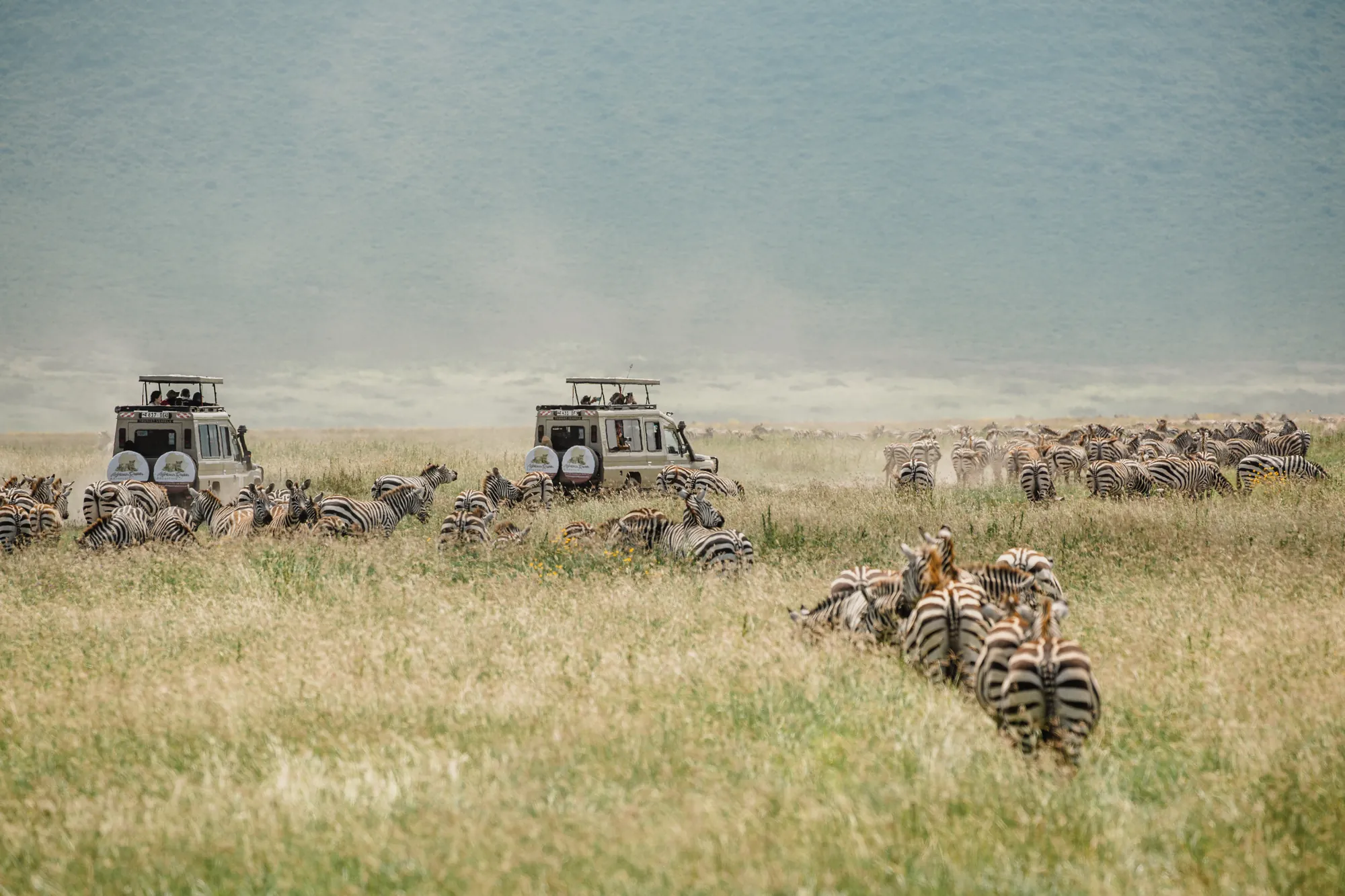
- The Great Migration: in June the herds are usually in the Serengeti's Western Corridor, around the Grumeti River and its crocodiles. In July they move north towards the Kenyan border, and the first Mara River crossings often begin. The timing depends on the rains, so we follow reports from our guides in the field.
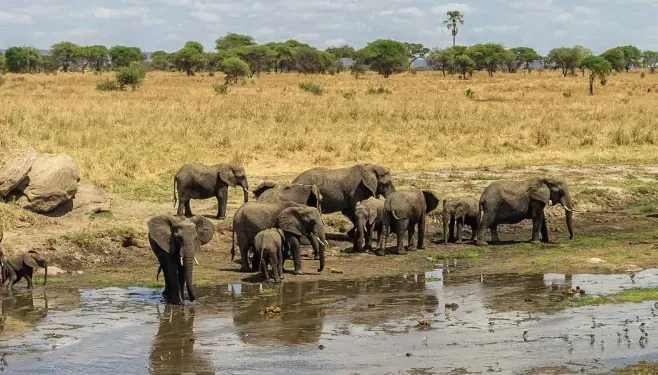
- Tarangire: large elephant herds gather along the Tarangire River as the dry season sets in.
- Ngorongoro Crater: good all year, with a strong chance of seeing the Big Five in one day.
- Southern parks: Nyerere and Ruaha are at their best in the dry season, with boat safaris on the Rufiji River and big lion prides in Ruaha.
- Zanzibar: dry, sunny and breezy, with calm water on the west coast.
The catch is demand. Late June to September is already peak season, and the best camps near the migration often fill up nine to twelve months ahead. AFCON adds fans, teams, media and officials, so book accommodation early. Read more on the best time to visit Tanzania.
Sample AFCON 2027 Tanzania tours
These are the trip shapes we plan most often. Each one is built around the match days once CAF publishes them, and each links to a full itinerary you can adjust.
1. Arusha match plus a northern safari (5 to 7 days)
Watch the match in Arusha, then drive to Tarangire, Lake Manyara and Ngorongoro Crater. You can be back in Arusha for the next game. A good starting point is our 5-day Ngorongoro and Tarangire safari, or a 4-day northern parks extension between matches.
2. Football plus the Great Migration (8 to 10 days)
For fans with time between the group stage and the knockout rounds, fly from Arusha to the northern Serengeti for the start of the river crossings in July. See the 9-day Great Migration and Mara River safari or the shorter 6-day Serengeti migration safari.
3. Dar es Salaam match plus a southern safari (4 to 8 days)
Mikumi is the easiest park to reach by road from Dar es Salaam, and Nyerere is a short flight away. Ruaha is wilder and needs a flight. Look at the 4-day Nyerere extension, the 7-day Mikumi and Ruaha safari or the 8-day fly-in safari to Ruaha and Nyerere.
4. AFCON plus a Kilimanjaro climb (8 to 10 days)
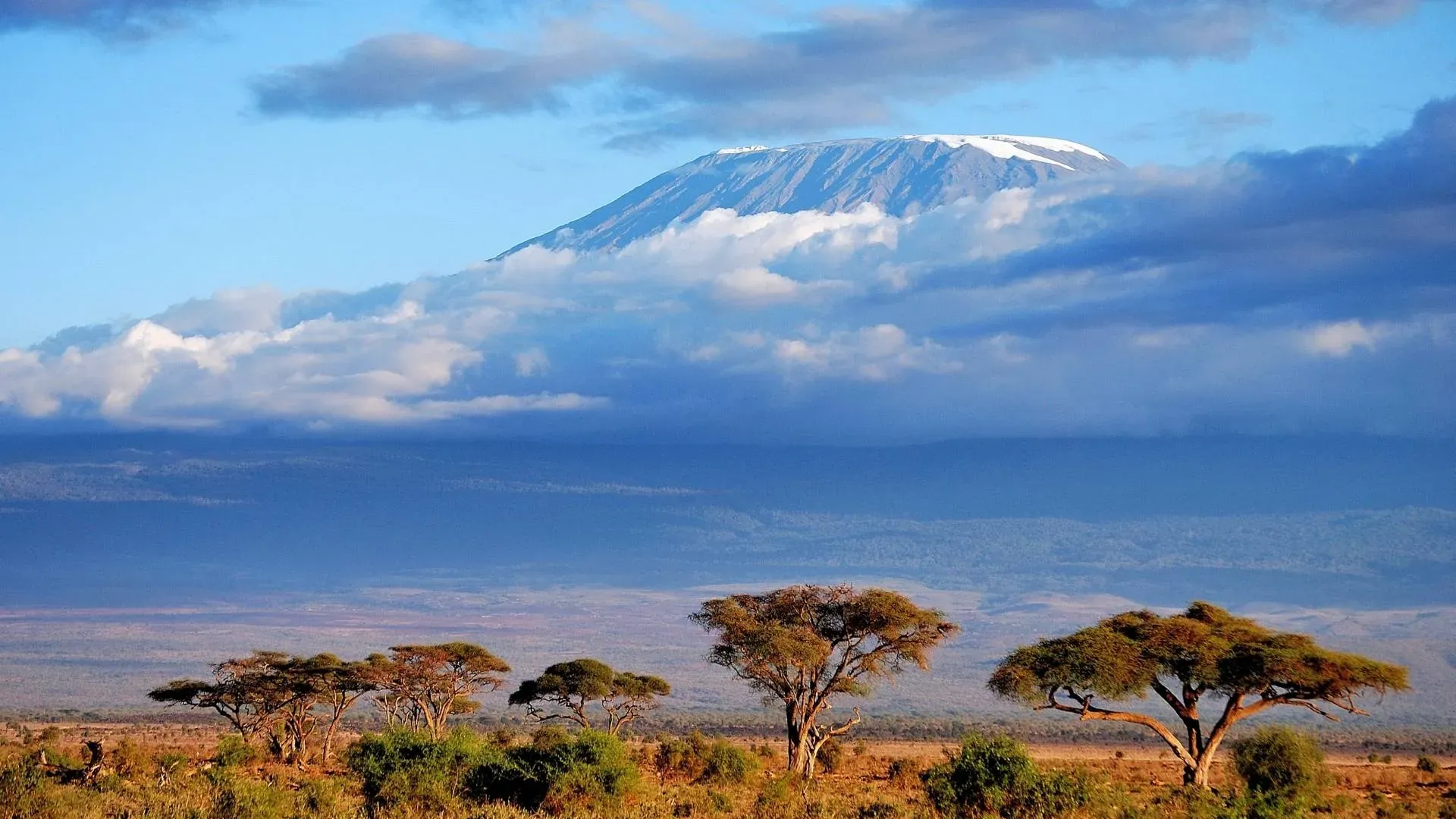
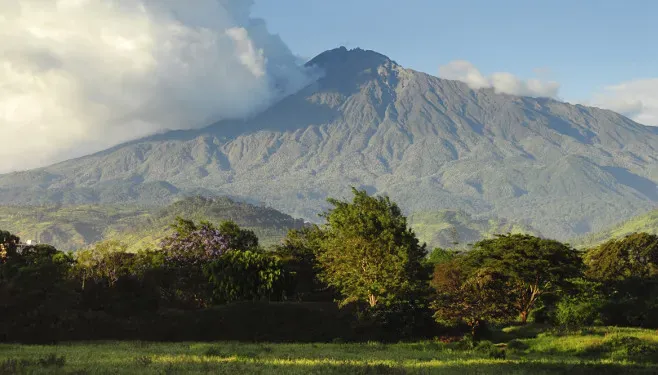
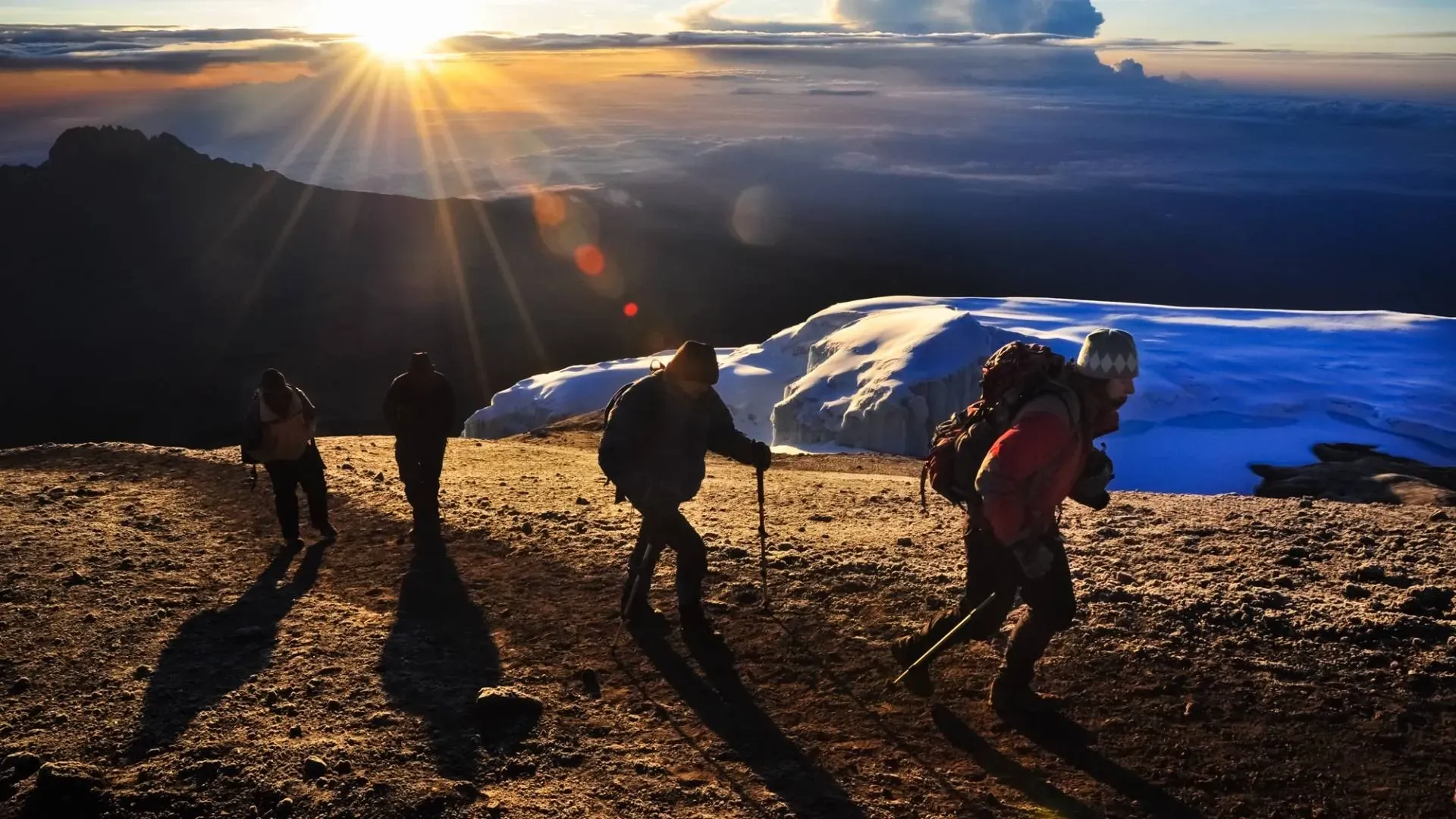
Africa's highest mountain starts less than two hours from the Arusha stadium. A 7-day climb on the Machame route fits between group matches, and July is one of the clearest months on the mountain. Leave a rest day after the summit before you sit in a stadium. If you are short on time, Mount Meru takes three or four days and is next to Arusha. Read our Kilimanjaro climbing guide.
5. Zanzibar match plus a beach holiday (4 to 7 days)
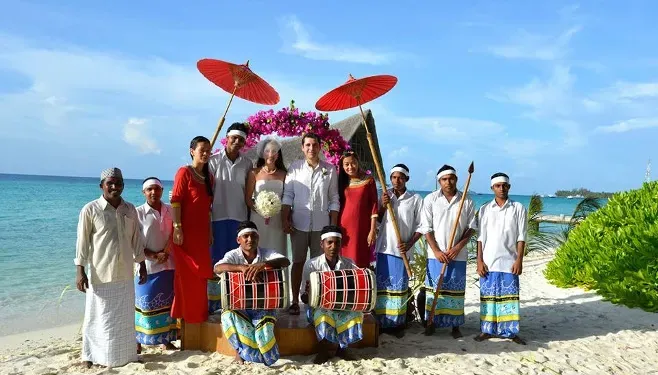
Combine a match at Amaan Stadium with Stone Town and the beaches, or end any safari with a few days on the coast. See the 5-day Zanzibar beach and Stone Town holiday and our Zanzibar beaches guide.
6. Follow your team across East Africa
If your team plays in Nairobi or Kampala as well, use Arusha as your Tanzanian base. Nairobi to Arusha is a short flight to Kilimanjaro or a shuttle of five to six hours through the Namanga border. We can plan the Tanzanian part of the trip and coordinate the transfers.
Visas and health rules if you follow your team across borders
Each host country has its own visa, and this catches fans out. The East Africa Tourist Visa covers Kenya, Uganda and Rwanda, but not Tanzania. Most visitors need a separate Tanzanian visa, best obtained in advance on the official Tanzania e-visa portal (the government site ends in .go.tz). Our Tanzania visa guide covers costs and processing times.
- Yellow fever: Kenya and Uganda are yellow fever risk countries. If you fly into Tanzania after attending a match in either country, or after a long transit there, you must show a yellow fever certificate. Get the vaccine at least ten days before you leave home.
- Zanzibar: visitors to Zanzibar must buy the island's own inbound travel insurance online before arrival, in addition to their normal travel insurance.
- Passport: valid for at least six months after arrival, with blank pages for three sets of entry stamps if you visit all three hosts.
How to plan around the fixtures (and when to book)
- Now: decide on your base city and the kind of trip you want (safari, climb or beach), and how many days you have.
- Book accommodation early: reserve safari lodges and camps with flexible terms. They are the scarcest part of a June or July trip.
- When CAF publishes the schedule: fix the match days, then book domestic flights and international flights.
- When ticket sales open: buy match tickets only from CAF's official channels.
- Build in buffer days: knockout venues depend on results. Keep a free day around big matches and avoid a long drive on match day.
Prices for June and July depend on the lodges, the parks and whether you travel privately or in a group. Our article on the cost of a Tanzania safari explains each part of the price, and we send a detailed quote for your exact dates.
Match-day tips for Dar es Salaam, Arusha and Zanzibar
- Traffic: Dar es Salaam traffic is heavy. Allow at least two hours to reach Benjamin Mkapa Stadium on match day and arrange a driver rather than a street taxi.
- Arusha: the city is smaller, but it fills up on safari season weekends. Stay close to town on match nights.
- Money: carry some Tanzanian shillings for small purchases. Mobile money and cards work in hotels and larger shops.
- Safety: Tanzania is a welcoming country for visitors. Take normal big-city precautions in crowds. Read is Tanzania safe to visit.
- Packing: a team shirt, a light rain jacket, a warm layer for safari mornings and sun protection. See our safari packing list.
Frequently asked questions about AFCON 2027 in Tanzania
When is AFCON 2027?
AFCON 2027 runs from 19 June to 17 July 2027. It is hosted jointly by Tanzania, Kenya and Uganda, with 24 teams.
Where will AFCON 2027 matches be played in Tanzania?
The planned venues are Benjamin Mkapa Stadium in Dar es Salaam, the new Samia Suluhu Hassan Stadium in Arusha and Amaan Stadium in Zanzibar. CAF will confirm which match is played where when it publishes the schedule.
Can I watch an AFCON match and go on safari in the same trip?
Yes. From Arusha, Tarangire is about two hours away and Ngorongoro Crater about three, so a three- or four-day safari fits between two matches. From Dar es Salaam, Mikumi and Nyerere are the easiest parks to reach.
Is June to July a good time for a safari in Tanzania?
Yes, it is one of the best. It is the dry season, wildlife gathers near water, and the Great Migration is in the western and northern Serengeti. It is also peak season, so book early.
Can I climb Kilimanjaro during AFCON 2027?
Yes. July is one of the best months for Kilimanjaro. A six- to eight-day climb starts less than two hours from the Arusha stadium and fits between group stage matches.
Do I need a separate visa for Tanzania if I also visit Kenya and Uganda?
Yes. The East Africa Tourist Visa does not include Tanzania. You also need a yellow fever certificate when you enter Tanzania from Kenya or Uganda.
Are match tickets included in AFCON 2027 tour packages?
Official match tickets are sold by CAF through its own channels. Buy them there. We build the safari, transfers and accommodation around your match dates.
When should I book an AFCON 2027 safari?
As early as possible. Lodges near the migration fill up nine to twelve months ahead in June and July, and AFCON adds extra demand. Book flexible accommodation now and fix flights once the schedule is out.
Plan your AFCON trip with a local team
African Queen Adventures was founded in 2013 by Alice Jacob and Joseph Lyimo and is based in Arusha, one of the AFCON host cities. Our guides drive these roads every week, so we know how long the transfers really take and which lodges suit a match schedule. Tell us your team, your dates and the kind of trip you want, and we will send a plan built around the fixtures. Plan your AFCON safari, contact us or browse all our Tanzania safaris.